

Garry Kasparov has a pithy way of summing up the past 18 months of tribulation. "China gave us the virus," the chess and human-rights champion told me over a recent breakfast. "And the free world gave us the vaccines."
You don't have to subscribe to the lab-leak theory of the origins of the COVID-19 pandemic to acknowledge this: Had it not been for the cover-up that Chinese officials tried to orchestrate in the critical early days of the crisis, there might have been a chance for the virus to be contained. Instead, China's government began with lies and has kept lying ever since, at the expense of public health everywhere. They've also sold the world's poorer countries on a vaccine that doesn't work too well.
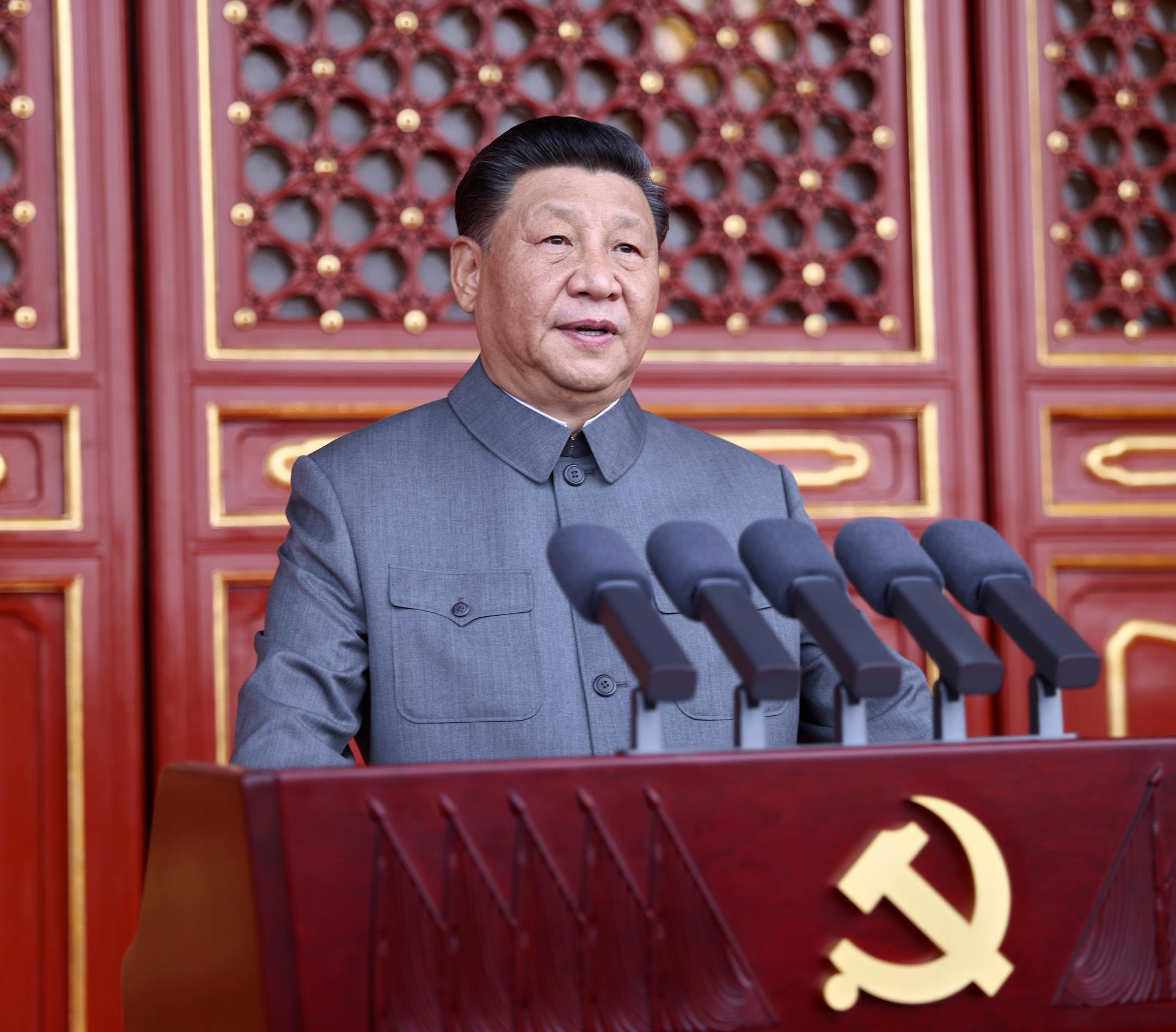
The facts are worth bearing in mind as the Chinese Communist Party celebrates its 100th anniversary with a show of pageantry and power. Xi Jinping, the most militant and repressive Chinese leader since Mao Zedong, delivered a speech trumpeting "the great rejuvenation of the Chinese nation" while extolling the party's total control over the country's politics. He warned that those who tried to "bully, oppress or enslave" China would "crack their heads" on a "Great Wall of steel."
In fact, nobody is trying to bully, oppress or enslave China. The century of humiliation is long over. This month marks the 50th anniversary of Henry Kissinger's secret visit to Beijing, which initiated a long bipartisan American effort to help raise China from the depths into which Mao's catastrophic leadership had sunk it. The effort succeeded in turning one of the world's poorest countries into one of the richest.
The effort also failed.
Beijing did not leverage its growing economic wealth for the sake of greater political freedom. It did not use its entry into the so-called rules-based global order to play by the rules. It did not mean what it said when it promised Hong Kong "one country, two systems." It could not be trusted to honor business and academic partnerships without stealing intellectual property on a massive scale. It has not turned its development schemes in vulnerable foreign countries, from Ecuador to Montenegro, into lasting foundations for mutual goodwill, rather than one-way exploitation.
Beijing's unconstrained behavior gives it the appearance of strength. It's a cliche that China's rise is "unstoppable," much as Germany's supposedly was a little over a century ago. The corollary is that the world will simply have to acquiesce to its burgeoning list of demands, including its maritime claims to the South China Sea and reunification (if necessary by force) with Taiwan.
But appearances of strength tend to obscure realities of weakness, hidden cracks behind imposing facades.


