BEIJING - On TV, the Olympics look like a series of tight camera shots and broad emotions. With a clicker in your hand, you can probably imagine all of the athletes, from Kobe Bryant to Australian athletes named Brad Pitt and Tanya Harding (really) -- rooming together and walking to their venues hand in hand, singing "Kumbaya."
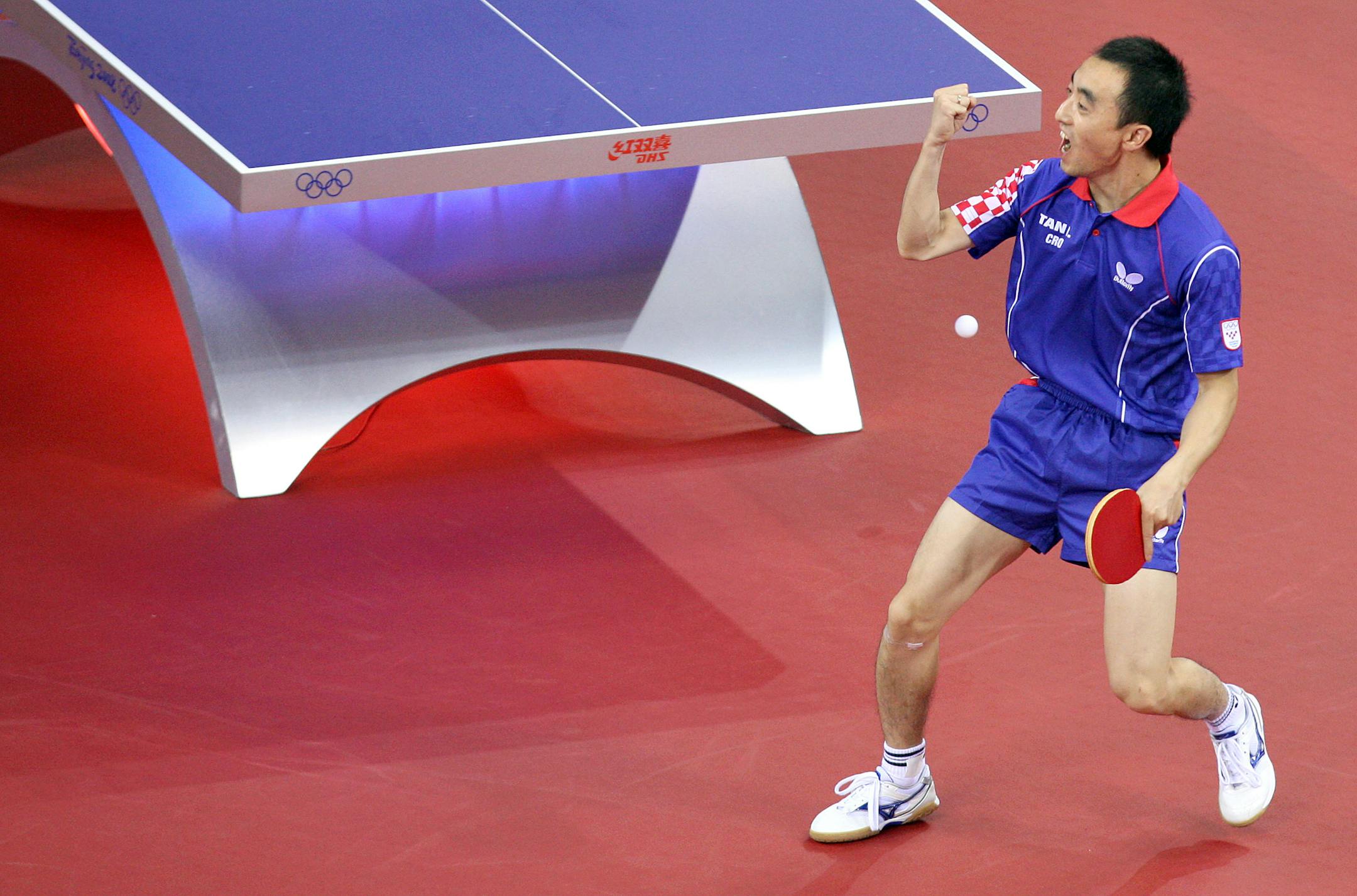
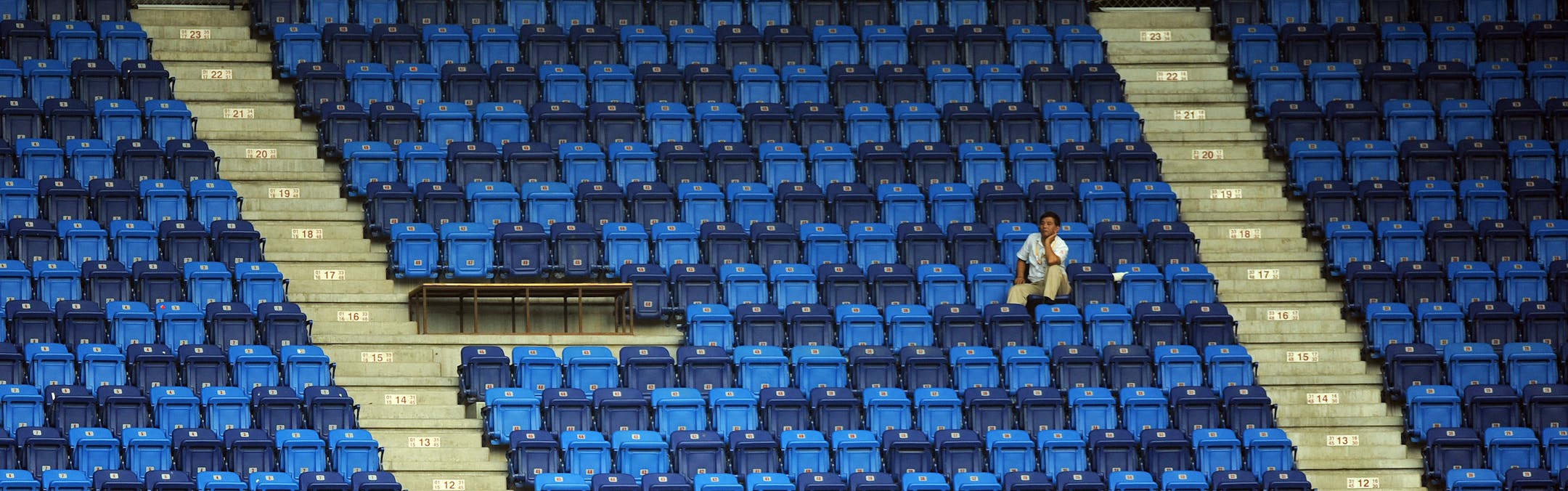
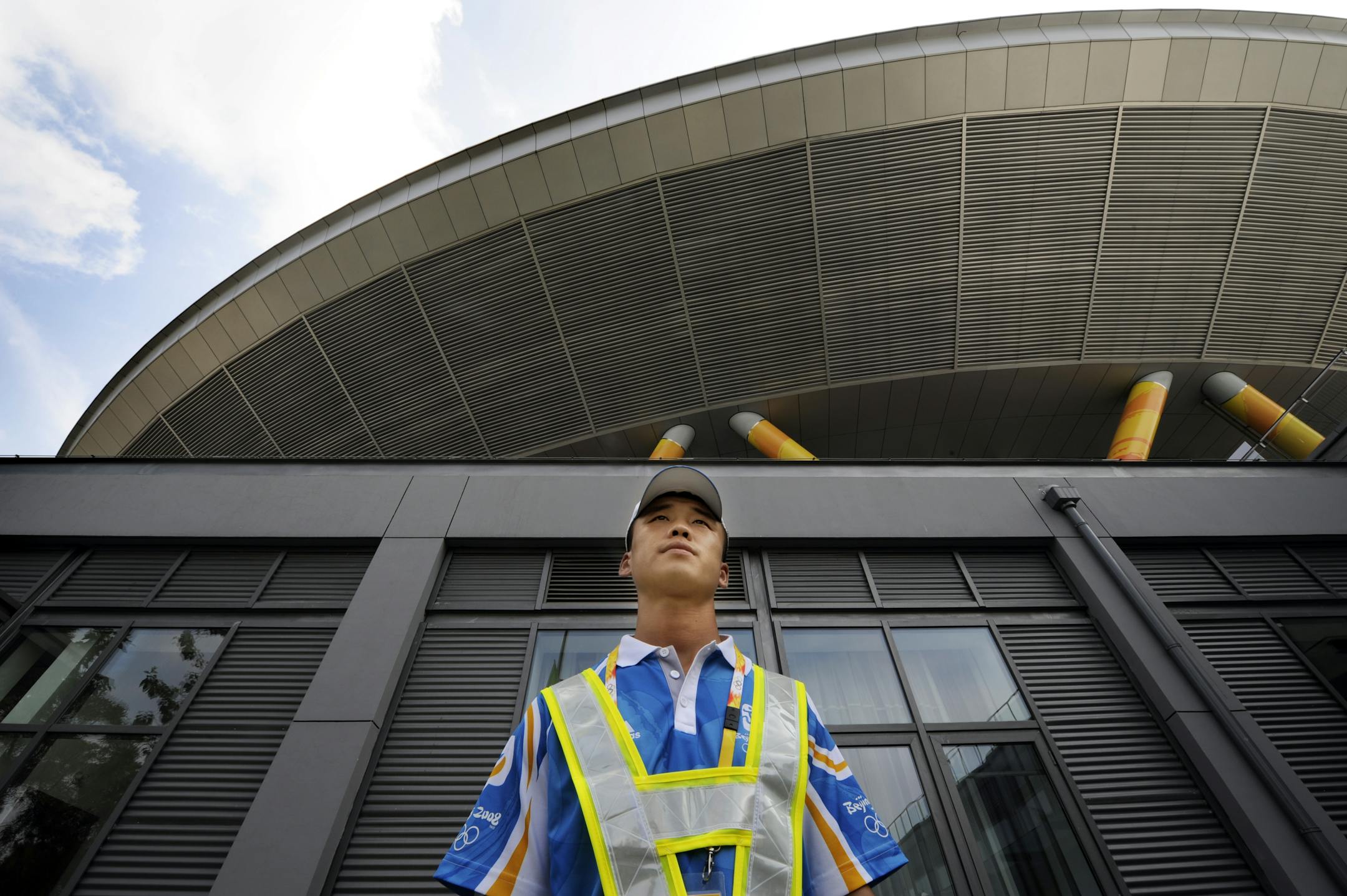
On the ground, these Olympics look much different. This is an event sprawling from Hong Kong to the outer reaches of the immense city of Beijing. The Summer Olympics might be the biggest sporting event in the world, but it feels like a series of small, obscure, sparsely attended contests, many in venues that are glorified TV studios.
Here's a glimpse of the Games from the ground:
The national pasttime
Michael Phelps is the TV star of these Games, and the U.S. basketball players are the biggest international stars, and Yao Ming and hurdler Liu Xiang are the national heroes.
But the heart of these Olympics can be found in the Peking University Gymnasium, when a Chinese star plays table tennis.
This is the indigenous game, a game played early in the morning in parks all over the country. Friday morning, China's Wang Liqin, ranked fourth in the world, took on Australia's William Henzell.
The stands were mostly full in the 8,000-seat arena, which is a rarity at these Games. And the fans were rowdy, by Chinese standards, meaning they politely clapped, cheered at the right times, pounded Thunderstix and executed the national sporting cheer, "Jia you!"