

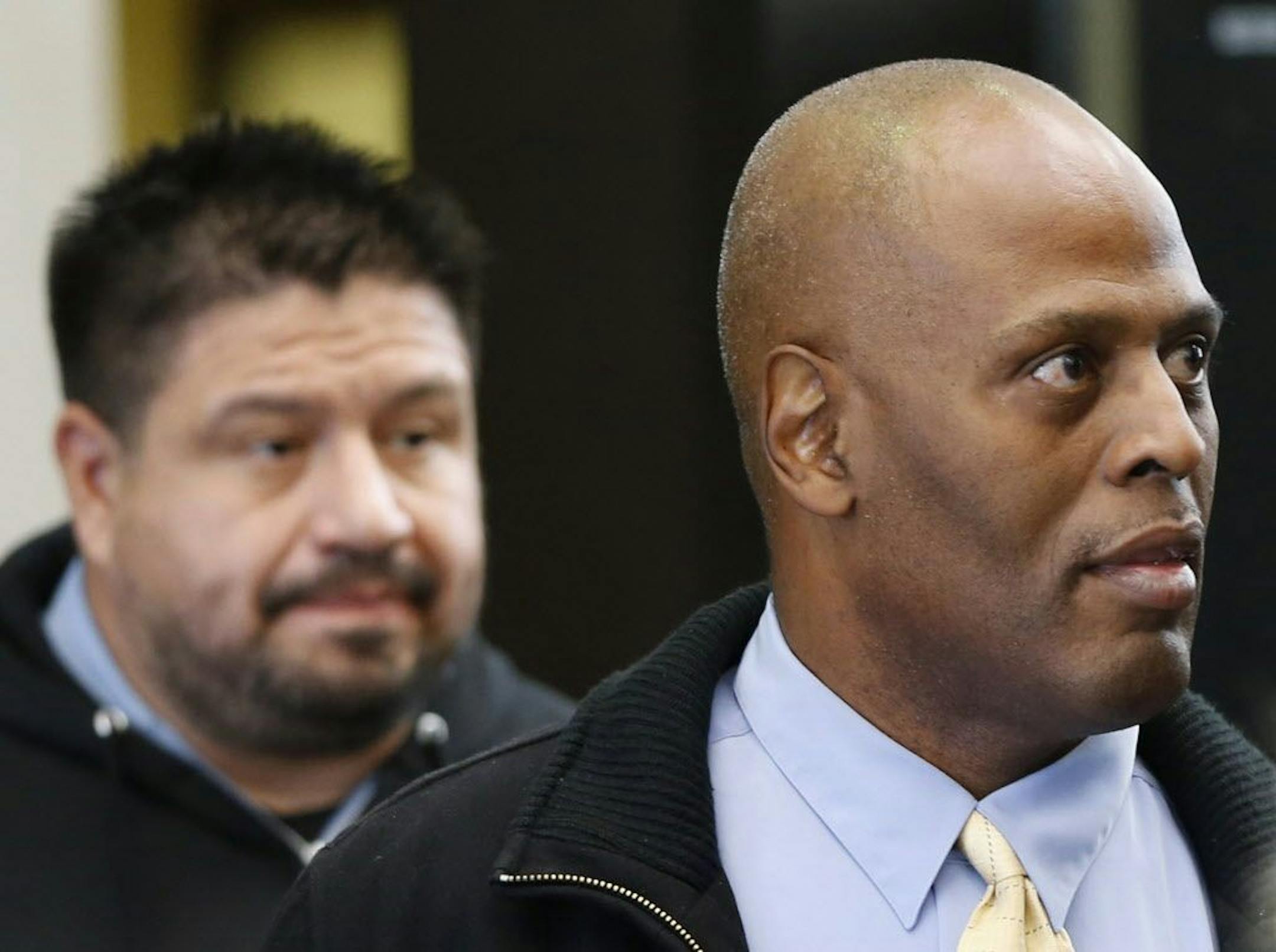
CHICAGO — When a West Side neighborhood decayed into a deadly shooting gallery, the Chicago police chief said he was sending his "best guy" into the fray to turn back the drug- and gang-fueled violence.
The chief called Cmdr. Glenn Evans his "favorite among my favorites," and Evans had delivered in his previous assignment. There had been 80 fewer shootings in the Grand Crossing neighborhood compared with the year before — the second largest drop anywhere in the city. Evans won gratitude from families who finally felt safe enough to sit on their porches.
But in December, the same officer who cleaned up those streets is scheduled to go on trial on charges that his no-holds-barred style of policing went beyond the law when he allegedly shoved a gun down a suspect's throat. The proceedings are sure to draw a complicated picture of the daring commander who seemed to be part of the solution to the city's gun violence, only to be accused of his own crimes.
At a time when much of the nation is debating the treatment of black suspects by white police officers, Evans' case unfolds against a different backdrop: He is a black officer credited with safeguarding black neighborhoods.
When he was charged, the 53-year-old had already been the focus of dozens of excessive-force complaints and cost the city more than $225,000 in legal settlements. He was also widely praised for aggressive tactics that included racing along the streets in an unmarked car, shoving it into park and exploding out of the door to confront drug dealers and gang members, with no apparent concern about being outnumbered or outgunned.
Evans has spent more than half his life in the police department. Slightly chubby, with a rumpled look that makes his clothes appear wrinkled when they're not, he hardly looks like a police officer with 160 awards and commendations who has thrown himself in front of bullets to save fellow officers.
"I call him the black Homer Simpson,' said Tony Robinson, a retired detective and longtime friend of Evans. "To look at him, you'd never know he was a copper."
But on the street, residents know exactly what to expect.


