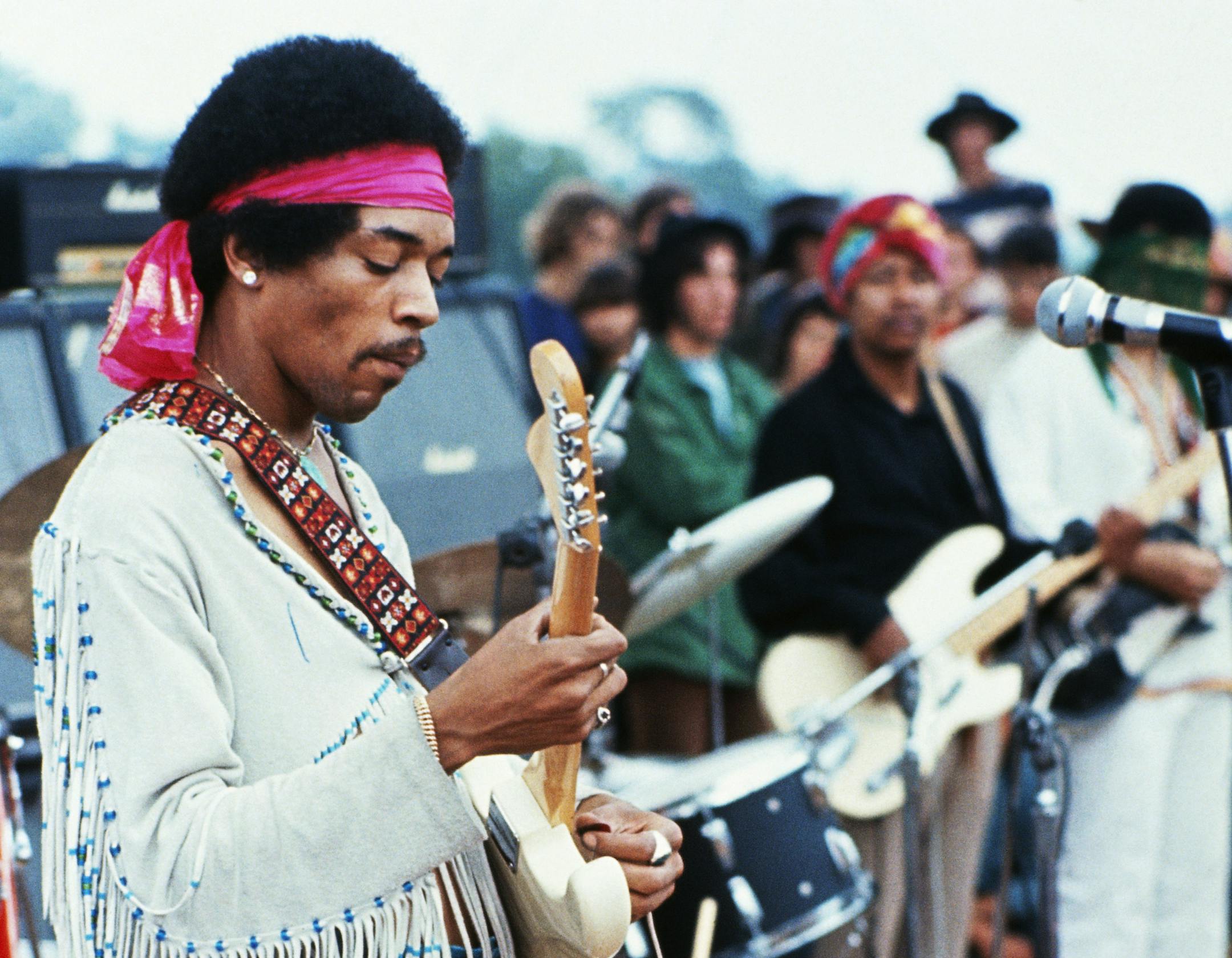
One of the most powerful, searing renditions of the national anthem ever recorded, Jimi Hendrix's iconic Woodstock performance, almost never happened.
In his memoir, Hendrix's drummer, Mitch Mitchell, said the band "hadn't rehearsed … or planned to do 'The Star-Spangled Banner' at Woodstock."
The festival — which took place Aug. 15-18, 1969, in upstate New York — was supposed to wrap up on Sunday night, but a series of delays, traffic jams and rainstorms had postponed the closing set until 9 a.m. the next day. Hendrix hadn't slept the night before. He played for more than an hour that Monday morning before introducing his regular concert-closer, "Voodoo Child (Slight Return)."
"Thank you very much and good night," he said, as the band continued to jam. "I'd like to say peace, yeah, and happiness." But then, instead of finishing his set, he went into his take on Francis Scott Key's song.
Layla the guitar sells for $1.25 million
Fans of Duane Allman in Macon, Ga., were a bit surprised when the late musician's old guitar sold for $1.25 million at a recent auction. The gold-topped guitar is the one Allman played on the hit song "Layla," when he performed with Eric Clapton. Until recently, the guitar affectionately called Layla had been on display at the Allman Brothers Band museum at the Big House in Macon. "I don't think anybody expected that," Museum Director Richard Brent said of the amount. "The history of it is what sold it." Brent said the man who bought the guitar is an out-of-town collector who wishes to remain anonymous. The buyer has agreed to share the instrument with the museum during certain times. That means it will be coming back to the museum in late November, Brent said. "We couldn't ask for more than that." Duane Allman played the guitar on the first two Allman Brothers records, and in "Loan Me a Dime" with Boz Scaggs, Brent said. The recording "Layla" with Derek and the Dominoes is among the last times Allman played that guitar
Animator Richard Williams dies at 86
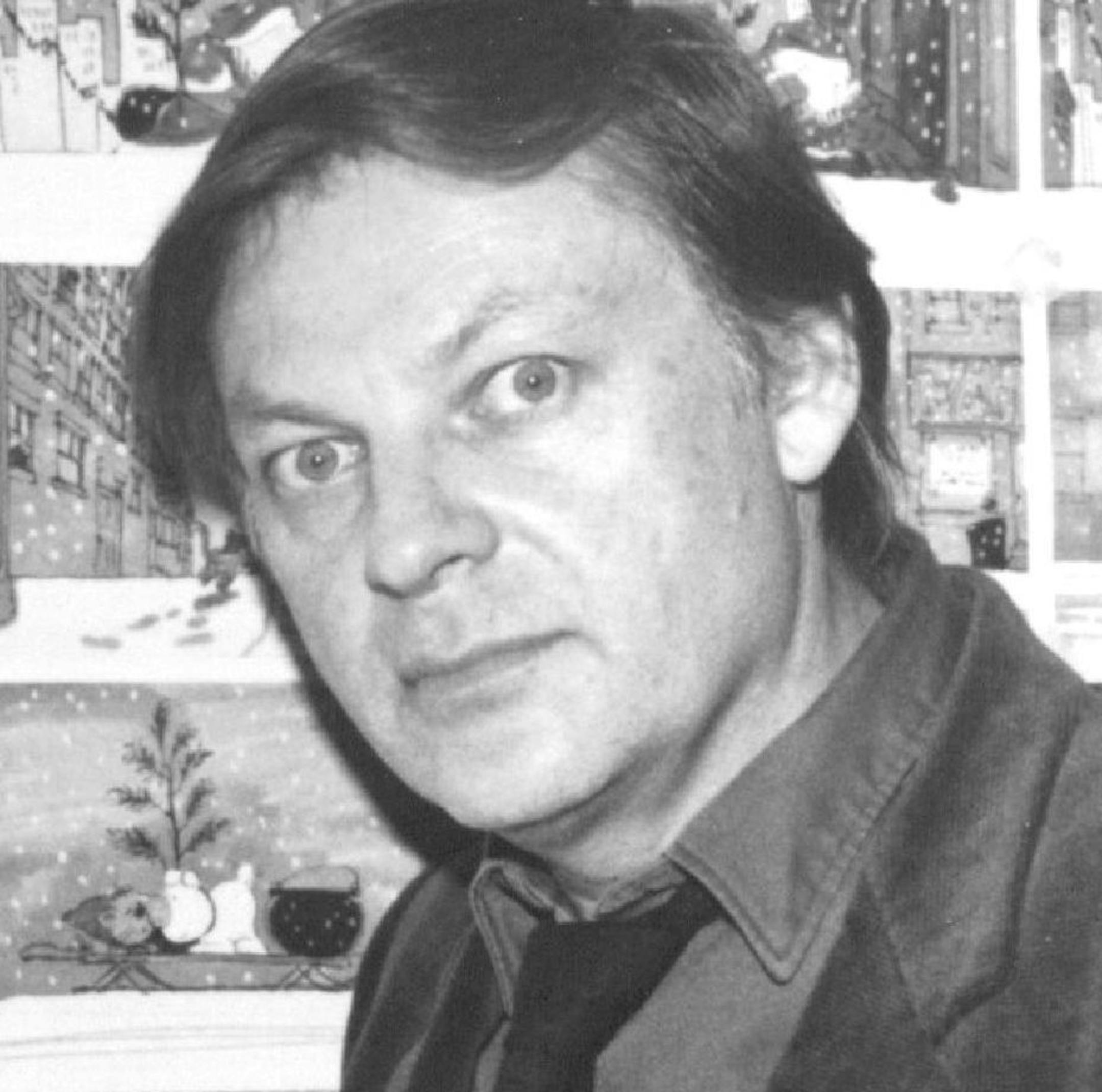
Richard Williams, a Canadian-British animator whose work on the bouncing cartoon bunny in "Who Framed Roger Rabbit" helped blur the boundaries between the animated world and our own, died Friday from cancer. He was 86. The Oscar-winning artist died at his home in England. His career straddled the "Golden Age of Animation," which petered out between the 1950s and '60s, and the rise of computer-assisted animation in the '90s and beyond. His best-known work may be as director of animation for "Who Framed Roger Rabbit," a 1988 film that married live-action cinema and cartoons from all eras, a process that involved the laborious insertion of animated characters into each individual frame and complex lighting effects.
News Services