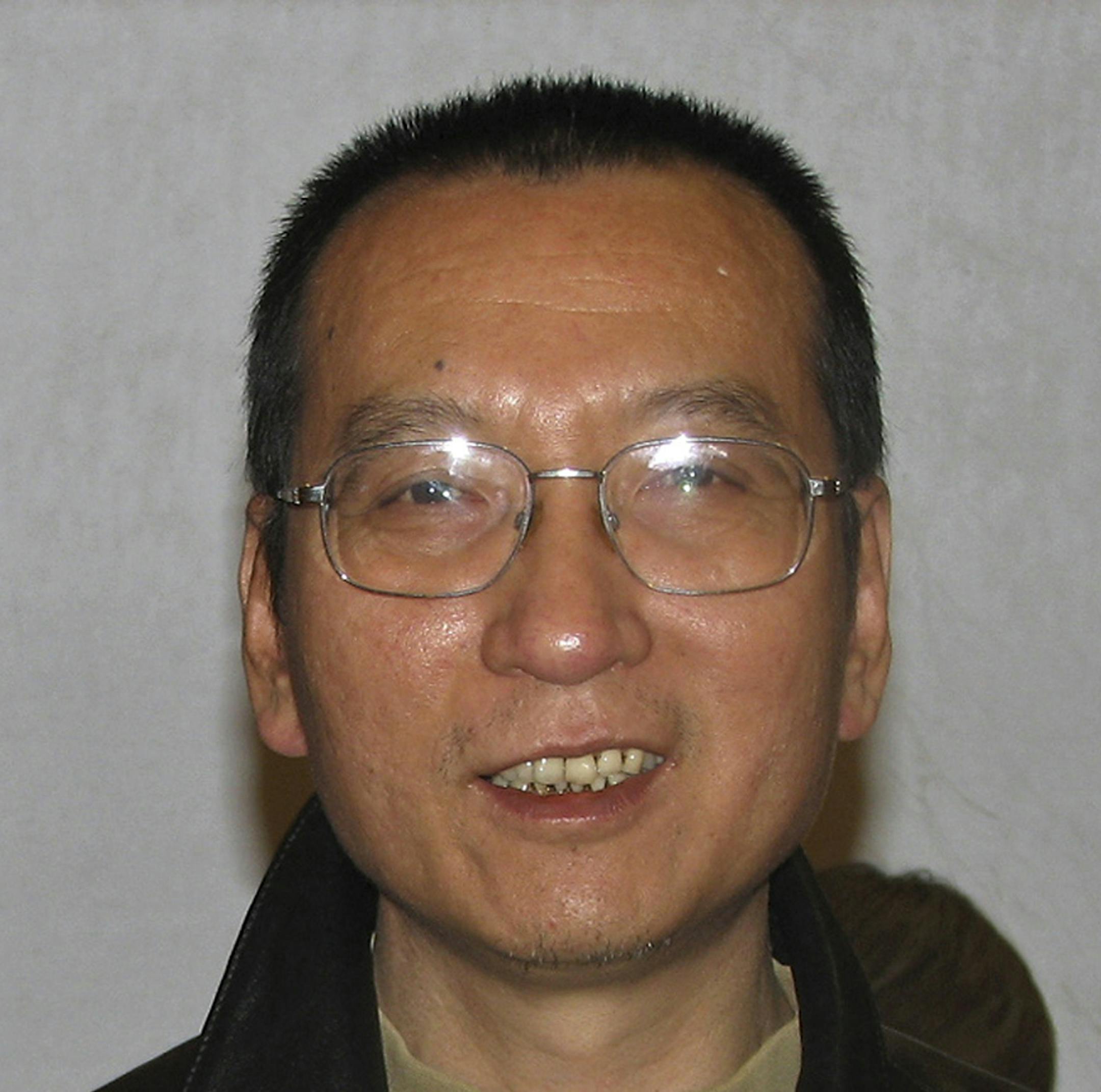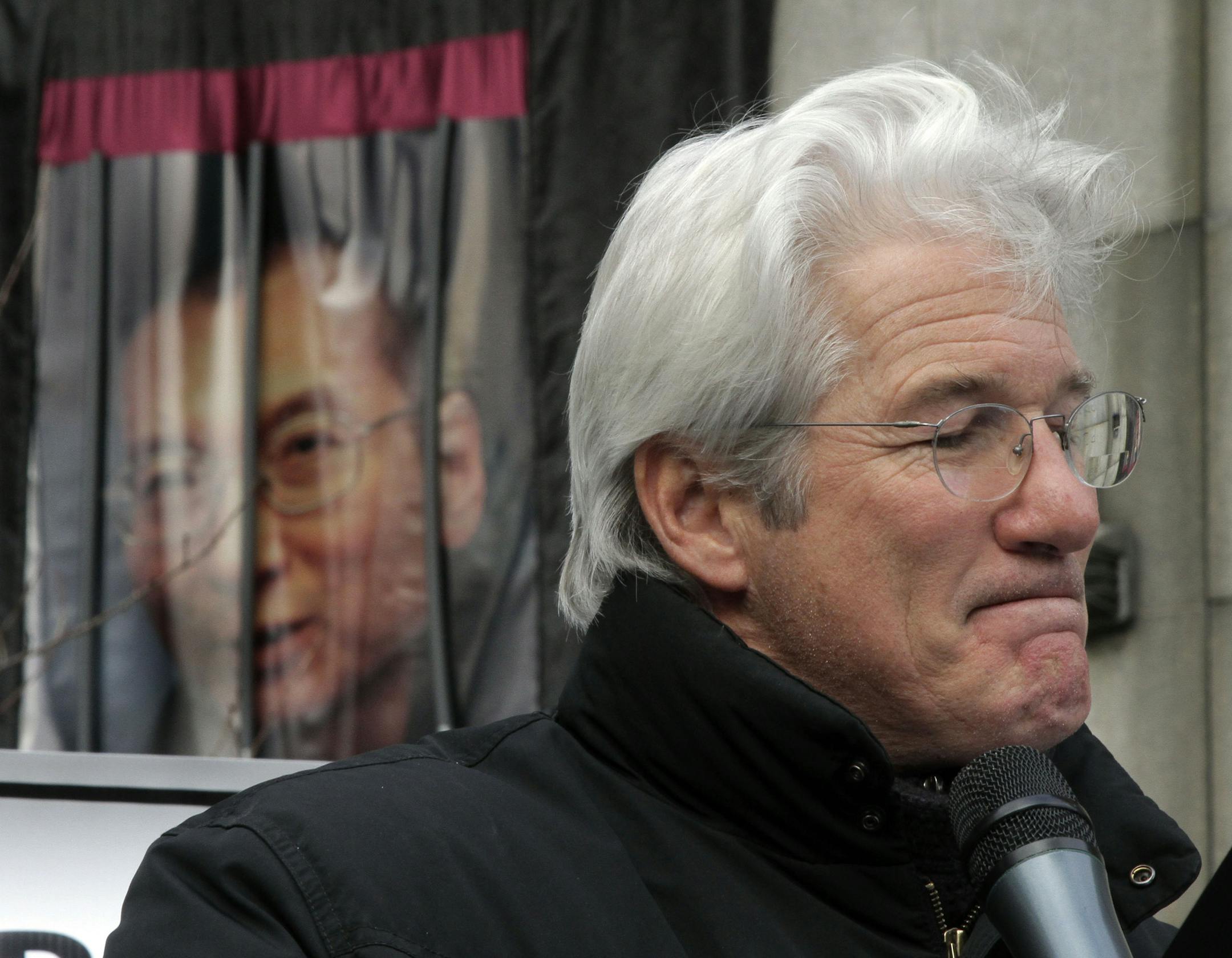
Chinese poet and dissident Liu Xiaobo, who was imprisoned by the Chinese government in 2009, has been released to a hospital. Reports are that he is suffering from late-stage cancer. His wife remains under house arrest.
Liu is a political activist who has fought for more than 25 years for a more democratic and open China. He won the Nobel Peace Prize in 2010 and was represented by an empty chair at the ceremony. The Norwegian Nobel Committee issued a statement saying that it has received the news of his release with a mixture of "relief and deep worry."
"The Committee strongly regrets that it took serious illness before Chinese authorities were willing to release him from jail," the statement said. "Liu Xiaobo has fought a relentless struggle in favour of democracy and human rights in China and has already paid a heavy price for his involvement. He was, essentially, convicted for exercising his freedom of speech and should never have been sentenced to jail in the first place."
"June Fourth Elegies," Liu's first collection to be published in English, was published in 2011 by Graywolf Press of Minneapolis.
"We are devastated by the news of Liu Xiaobo's diagnosis, which seems particularly cruel given all he has suffered already," said Graywolf publisher Fiona McCrae. "We had hoped he would win freedom in very different circumstances."
"June Fourth Elegies" is divided into 20 sections, each relating to the June 4, 1989, massacre at Tiananmen Square.
"The way the book is structured, the poems were written kind of at the same time every year, when Tiananmen happened," Liu's translator, Jeffrey Yang, told the Star Tribune in 2010. "Each one is a kind of recollection of a certain aspect of June 4. They're very elegiac. The original title of the book in Chinese is literally something like 'Remembering Six Four.' "
LAURIE HERTZEL