Dan Graham may be the most influential American artist you've never heard of.
Despite a monumental standing in contemporary art -- he's a pioneer of conceptualism and was in the vanguard of video and film installation, performance art and site-specific installation -- the 67-year-old artist has a relatively low profile with American audiences.
During a short-lived and financially ruinous stint as a New York art dealer, Graham gave Sol LeWitt his first show. He displayed early work by minimalist greats Dan Flavin and Donald Judd, and was pivotal in the founding of the band Sonic Youth (among other favors, he helped Kim Gordon land her first New York apartment).
But try to find a sizable portion of his work outside of Europe, and you'd be hard-pressed.
And so it is momentous that Walker Art Center welcomes "Dan Graham: Beyond," the first U.S. exhibition to encompass the artist's many-faceted, genre-eluding 44-year career. Opening Saturday, the show arrives in Minneapolis after marquee runs in Los Angeles and New York. (It is co-curated by Bennett Simpson of Los Angeles' Museum of Contemporary Art and the Whitney Museum's Chrissie Iles.)
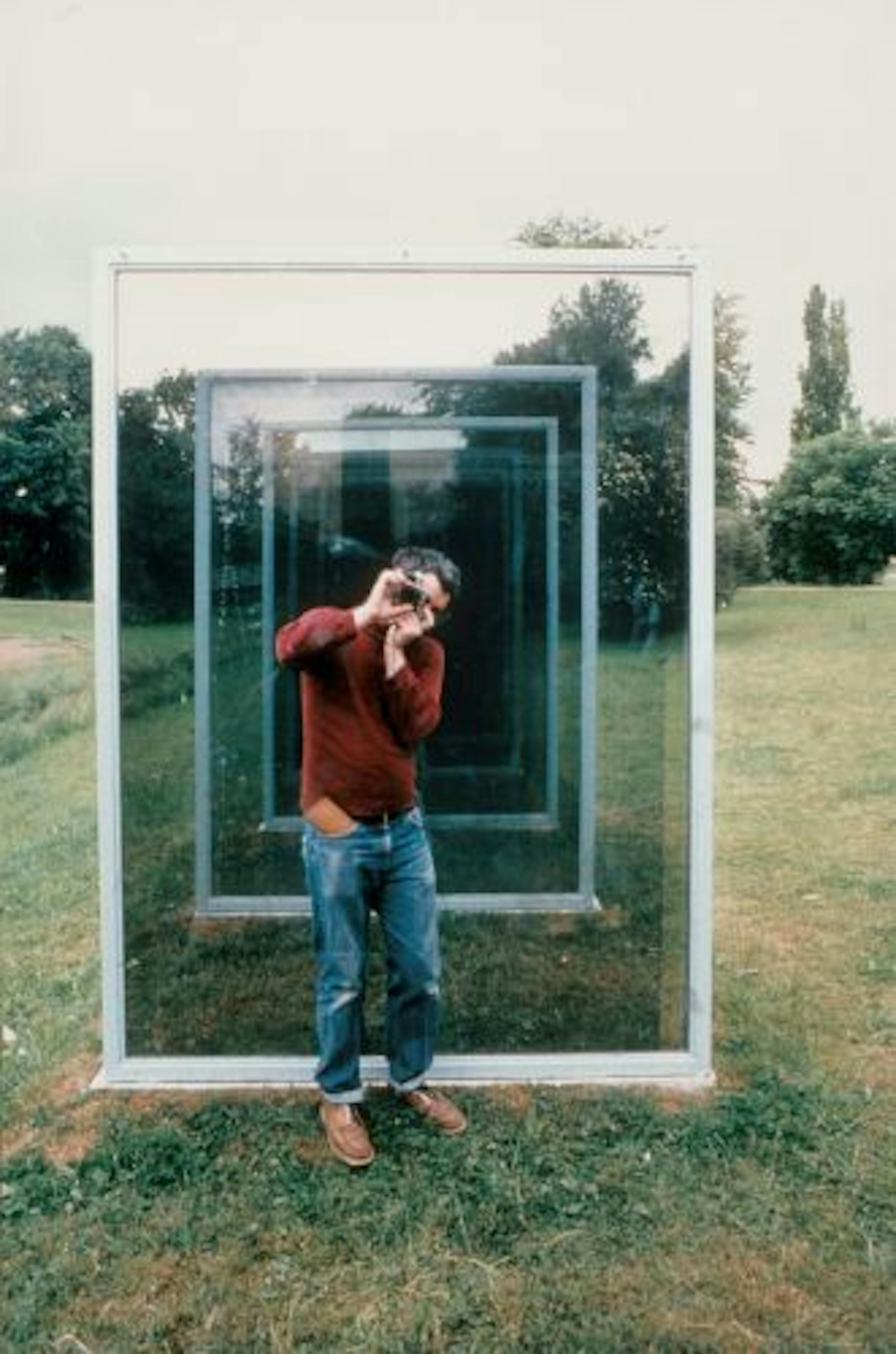
There's a lot of voyeurism going on in "Beyond," and playful complications of public vs. private space. Mirrors, glass windows, fishbowl-style observation chambers, video recordings of the audience viewing Graham's work -- one of the few constants in his career is the question of who is looking and who is being looked at. His famous "pavilions," roomlike glass-and-mirror sculptures that he has said exist somewhere "between architecture and television," play a big part in the show.
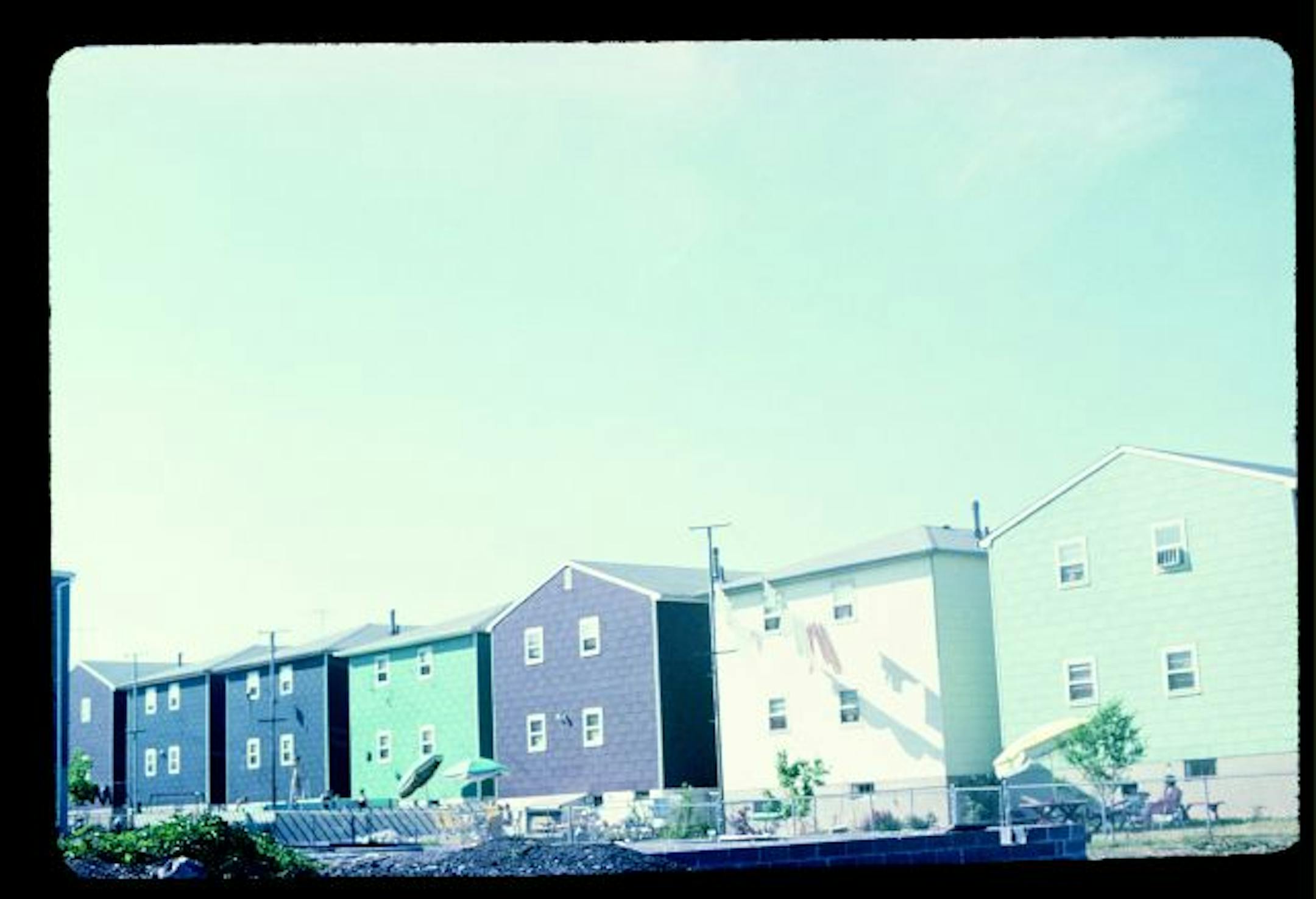
So does pop culture. Graham, a rabid enthusiast of mass entertainment in the United States, worked rigorously with rock culture and magazine publishing. His monumental video work "Rock My Religion," a hypnotic sound-collage of a thesis linking the origins of hard-core punk to the Shaker religious movement, is required viewing, as is "Homes for America," a photo essay capturing the deadening repetition of suburban New Jersey architecture.
Don't think twice, it's all right