

HIP-HOP: Snoop Dogg and Wiz Khalifa, "Mac & Devin Go to High School: Music From and Inspired by the Movie" (Atlantic)
Like any rebel child, hip-hop has had its drug phases: There was the weed haze of the early 1990s, various periods of cocaine obsession, the slow roll of syrup in the early 2000s, even a brief embrace with Ecstasy. In the past couple of years, though, hip-hop has come back around to a full-fledged weed high, thanks to Curren$y and Wiz Khalifa.
That Wiz would find kinship with Snoop Dogg, a survivor of marijuana's first breakthrough, is no surprise. This playful collaboration album plays like the late hours of a family reunion: comfortable, uncomplicated, a little blurry. This album is a companion piece to a movie of the same title that won't be released until next year.
Snoop Dogg and Wiz Khalifa may or may not be great actors, but they've both honed rapping personae that show different sides of the toking life. Snoop is confident, almost hyperalert, the sort of smoker who can function despite his high, while Wiz fades in and out of directness, sometimes rapping like he's skipping a bar here and there.
Getting high is the main topic here. Neither rapper has much new to say. Neither is the most dexterous rapper, but they've learned how to get by on emphasis and slickness. This makes for pleasant-sounding, unmemorable listening, driven primarily by the production, which is largely slow and bubbly.
- JON CARAMANICA, NEW YORK TIMES
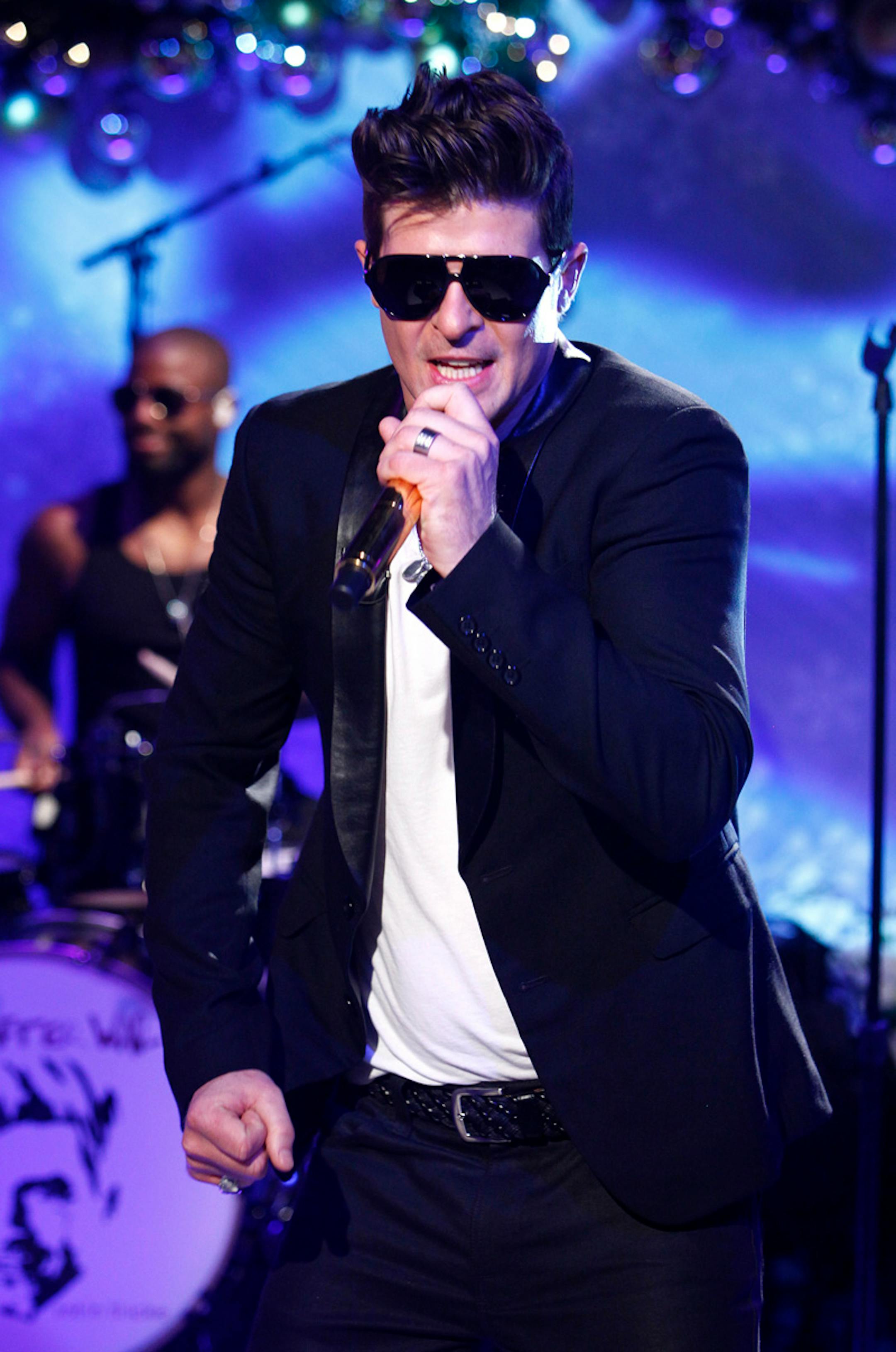
R&B: Robin Thicke, "Love After War" (Interscope)
Thicke has always done well to remember that seduction is mostly playacting, the fluid mastery of a role and a set of rules. His career as a crossover R&B heartthrob has flourished on the basis of tight execution and a suspension of disbelief. And throughout his cheerful jumble of a fifth album, he pushes both of those buttons, asking you to admire his tasteful slickness without delving much deeper.
Thicke, 34, wears his classic-soul literacy like a merit badge, offering loose, untroubled emulations of Marvin Gaye ("I Don't Know How It Feels to Be U"); Otis Redding ("Angel on Each Arm"); Stevie Wonder ("Lovely Lady"); and even Prince, in slow-jam mode ("Mission"). The allusions have as much to do with background color as with the timbre and style of the vocals, a fact that attests to some calculation by Thicke and/or Pro-Jay, with whom he produced every track.


