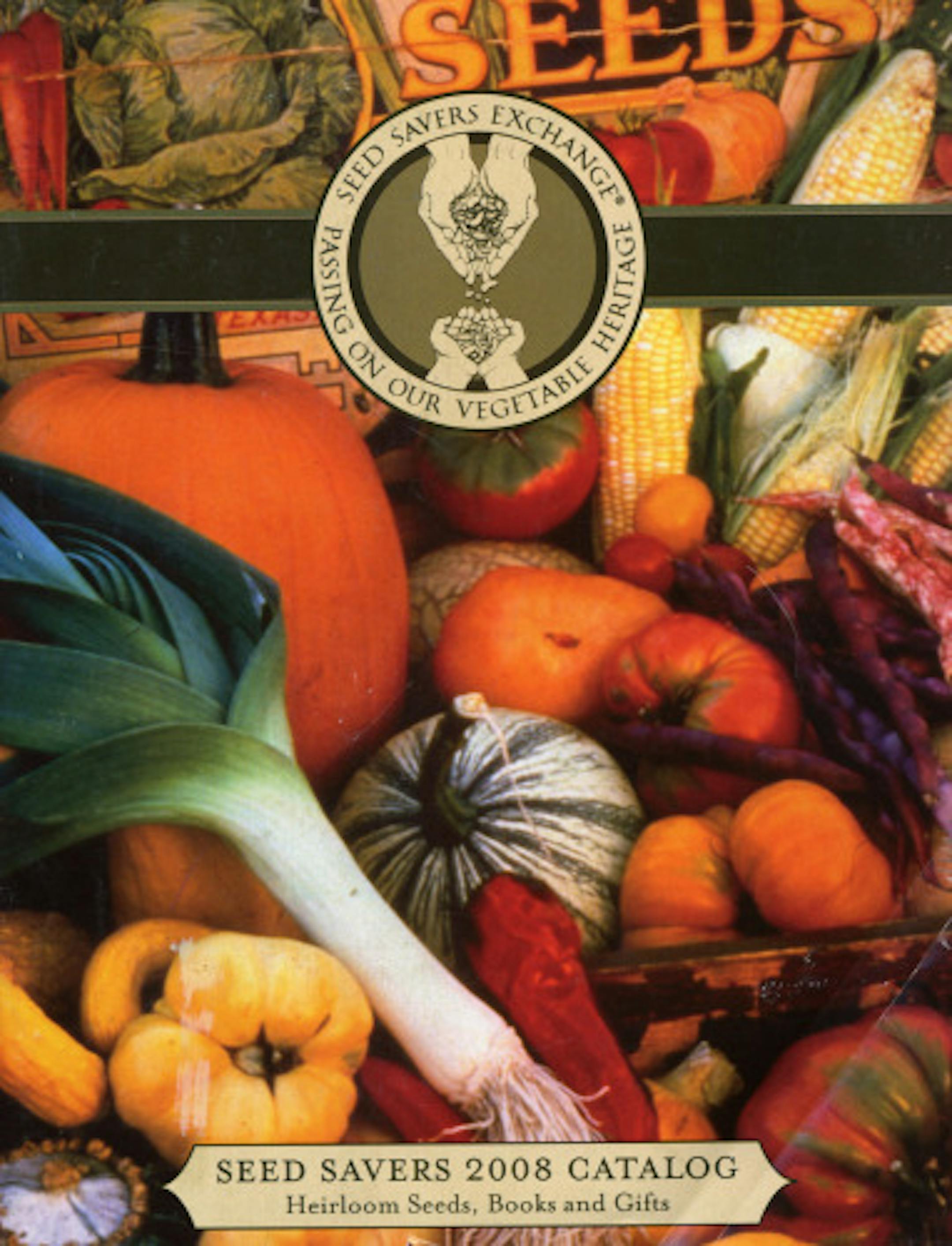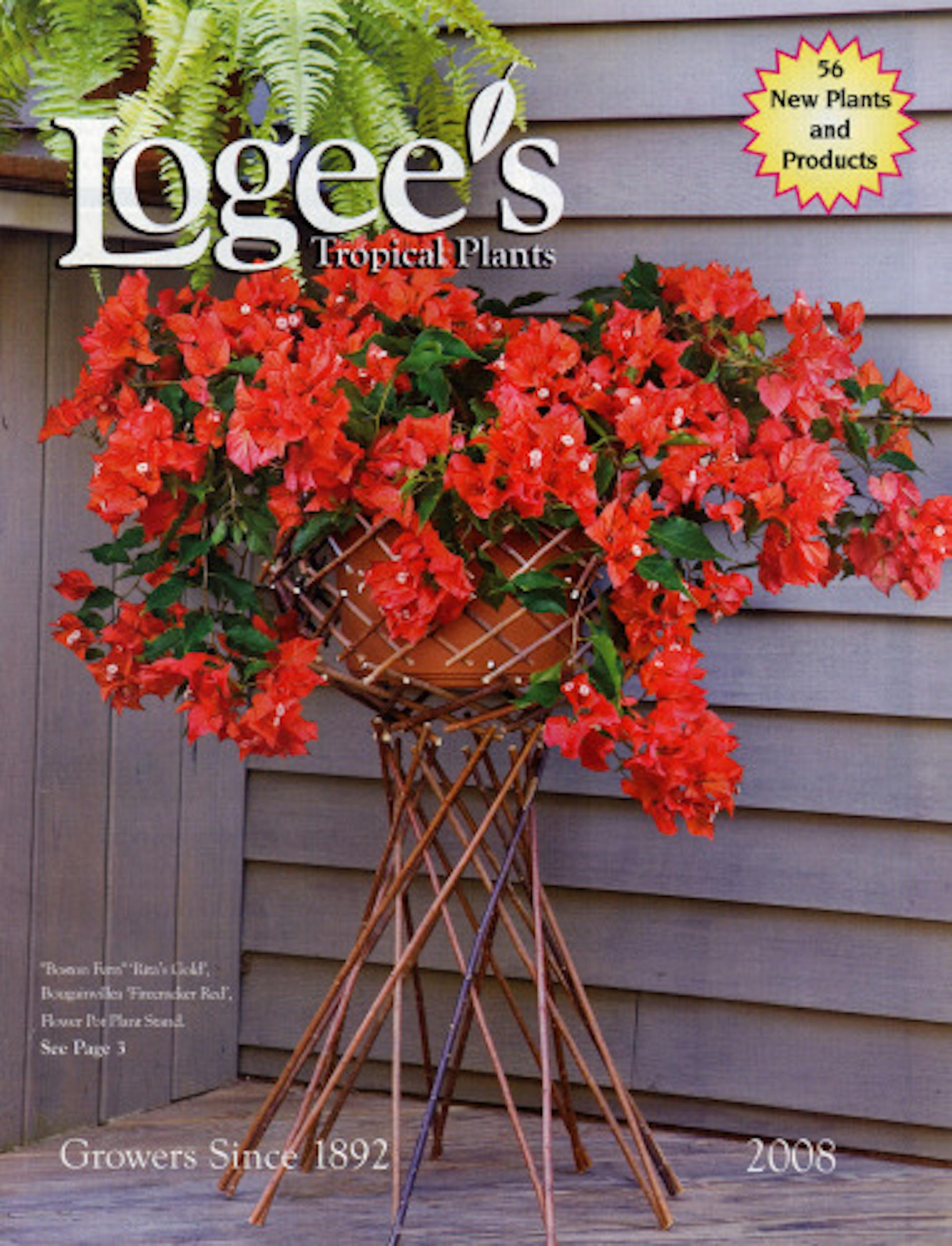
There's the garden season, and then there's the garden catalog season. Right now we're deep into the latter, with glossy new catalogs arriving daily. Because it's been just long enough to forget last summer (the drought-baked soil, the voracious insects, the leaf diseases), we're particularly susceptible to the lure of all those perfect-looking plants. So here are some things you may want to consider before you place your orders:
Online or in hand?
Many garden product companies, both large and small, now have catalogs online. Call me old-fashioned, but I still prefer to have a paper catalog. I want to be able to curl up in my comfy chair next to the sunny window and look out at the snow while drooling over the newest vegetable seed offerings or potted roses.
But that doesn't mean I'm immune to the charms of electronic gardening. Searching the Internet is a great way to find new garden sources, including small, niche nurseries.
And I know that shopping online saves trees. Even though I faithfully recycle my old garden catalogs, plenty of trees went into printing the pages in the first place. That's why I make sure to get off mailing lists of catalogs I don't use and make sure I only get single copies of the ones I do use. I also understand that printing catalogs costs money and if I request a paper catalog from a small company, I gladly pay the few dollars they charge for it.
Don't shop zone alone
Last growing season was up-and-down weatherwise, which makes the smart gardener cautious about what to plant in our Zone 4 gardens. For herbaceous perennials and woody plants, winter hardiness is a key issue. Most reputable catalogs list hardiness zones for the plants they sell, but that's no guarantee a plant will survive. After all, it's often wild temperature fluctuations that damage plants, not just the coldest night of the winter.
Also you should consider what disparate climate conditions are included in the same hardiness zone. For example New Mexico-based High Country Gardens has a beautiful catalog with many plants I'd love to grow. But I know that some of their Zone 4 plants prefer to grow in the arid climate of the southwestern mountains, not my Zone 4 garden with twice the rainfall and much higher humidity. So do a little research on a plant's preferred growing conditions before whipping out the credit card.