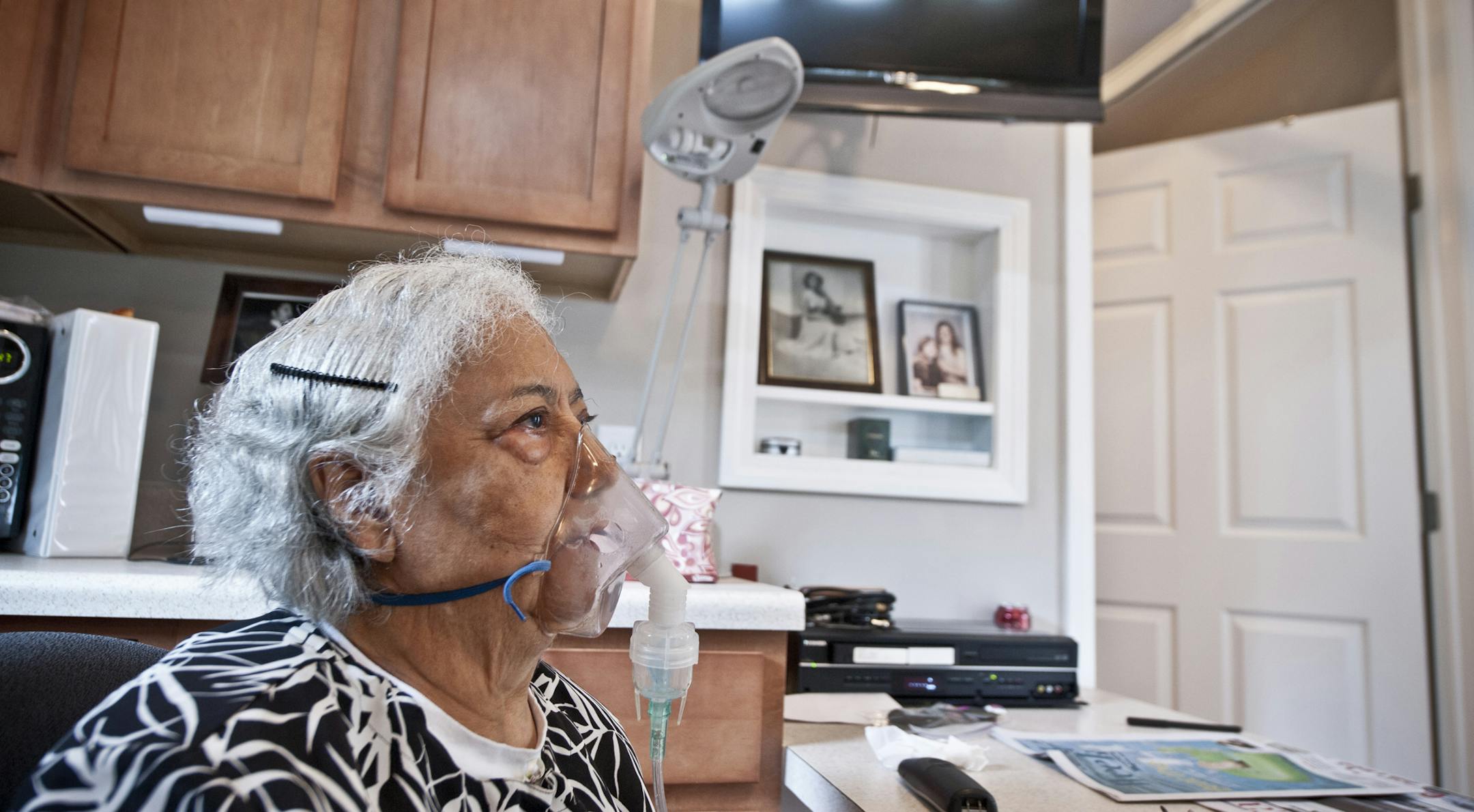
Viola Baez wouldn't budge.
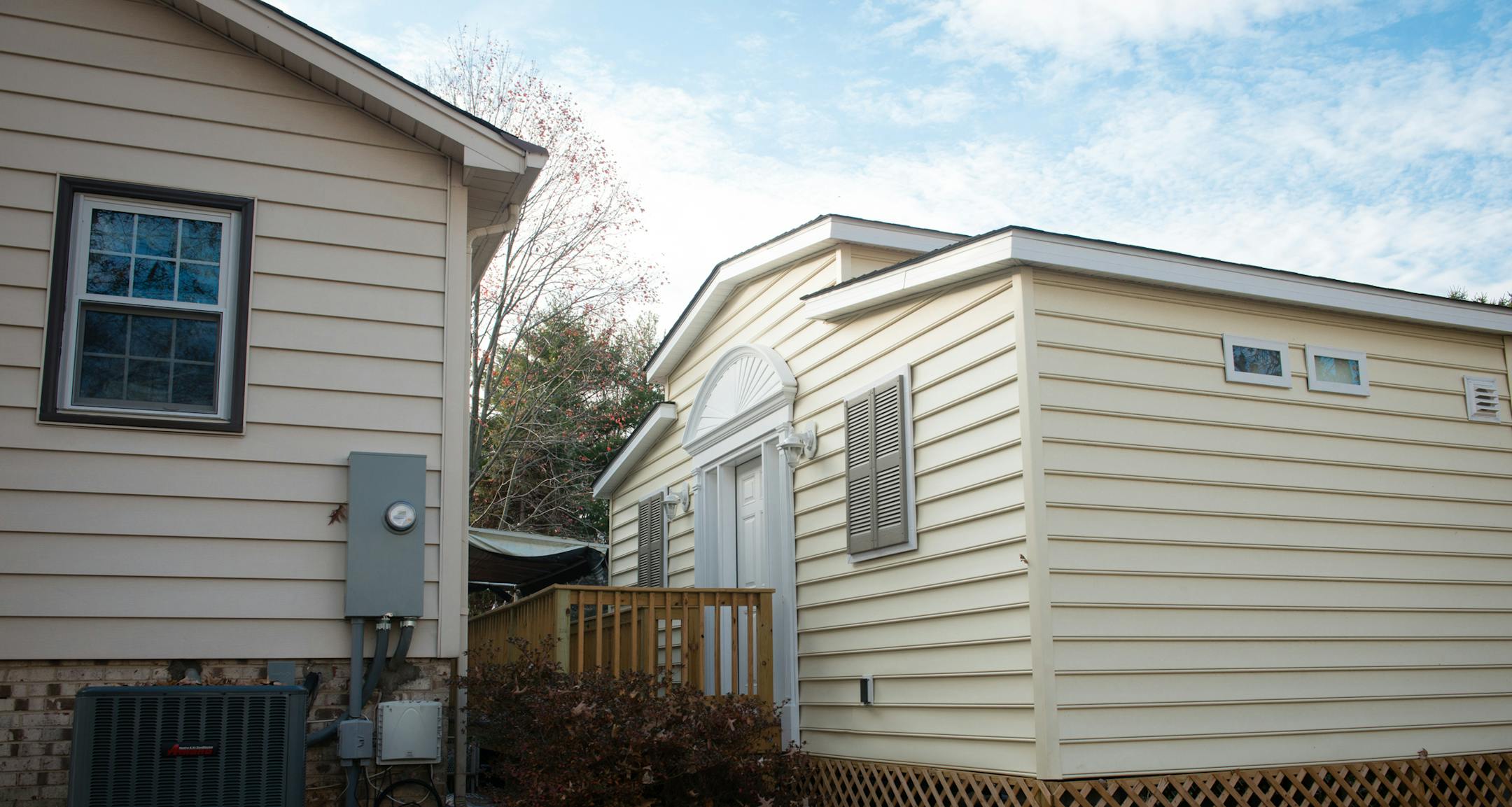
Her daughter's family had just invested about $125,000 in a new kind of home for her, a high-tech cottage that might revolutionize the way Americans care for their aging relatives. But Viola wouldn't even step inside.
She told her family she would rather continue living in the family's dining room than move into the shed-size dwelling that had been lowered by crane into the back yard of their Fairfax County, Va., home.
"You're throwing me out! You're sending me out to a doghouse! Why not put me in a manicomio?" Viola, 88, told them, using the Spanish word for madhouse.
Then the air-conditioner blew. As temperatures and tempers soared in the main house, Viola's family coaxed her into the cottage to cool off. Viola stayed the night, then another, and another, until summer had turned to fall.
As the first private inhabitant of a MedCottage, Viola is a reluctant pioneer in the search for alternatives to nursing homes for aging Americans. Her relatives agonized over the best way to care for Viola only after her ability to care for herself became questionable. Their decision exposed intergenerational friction that worsened after the new dwelling arrived.
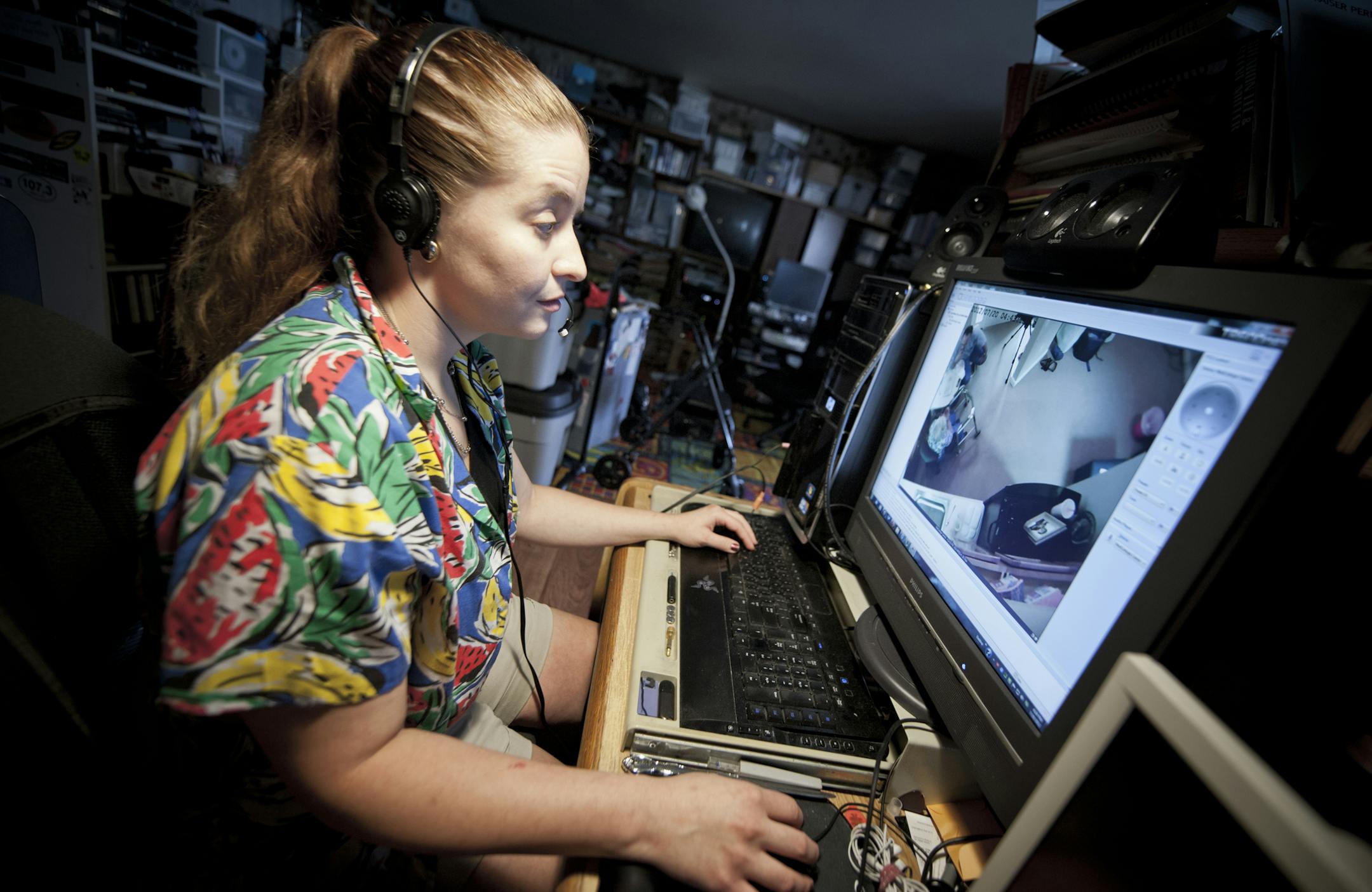
The MedCottage, designed by a Blacksburg, Va., company with help from Virginia Tech, is essentially a portable hospital room. Virginia state law, which recognized the dwellings a few years ago, classifies them as "temporary family health-care structures." But many simply know them as "granny pods," and they have arrived on the market as the nation prepares for a wave of graying baby boomers to retire.
Viola's daughter, Socorrito "Soc" Baez-Page, 56, and her son-in-law, David Page, 59 — both doctors — began planning for her care well before Viola's husband died of cancer last February. Their decision to buy the first MedCottage in private use, along with Viola's bumpy adjustment to life inside it, offers a look at an unusual solution to an increasingly common situation, and the emotional trade-offs that arise from it.