They're the kind of romantic tragedies that make headlines.
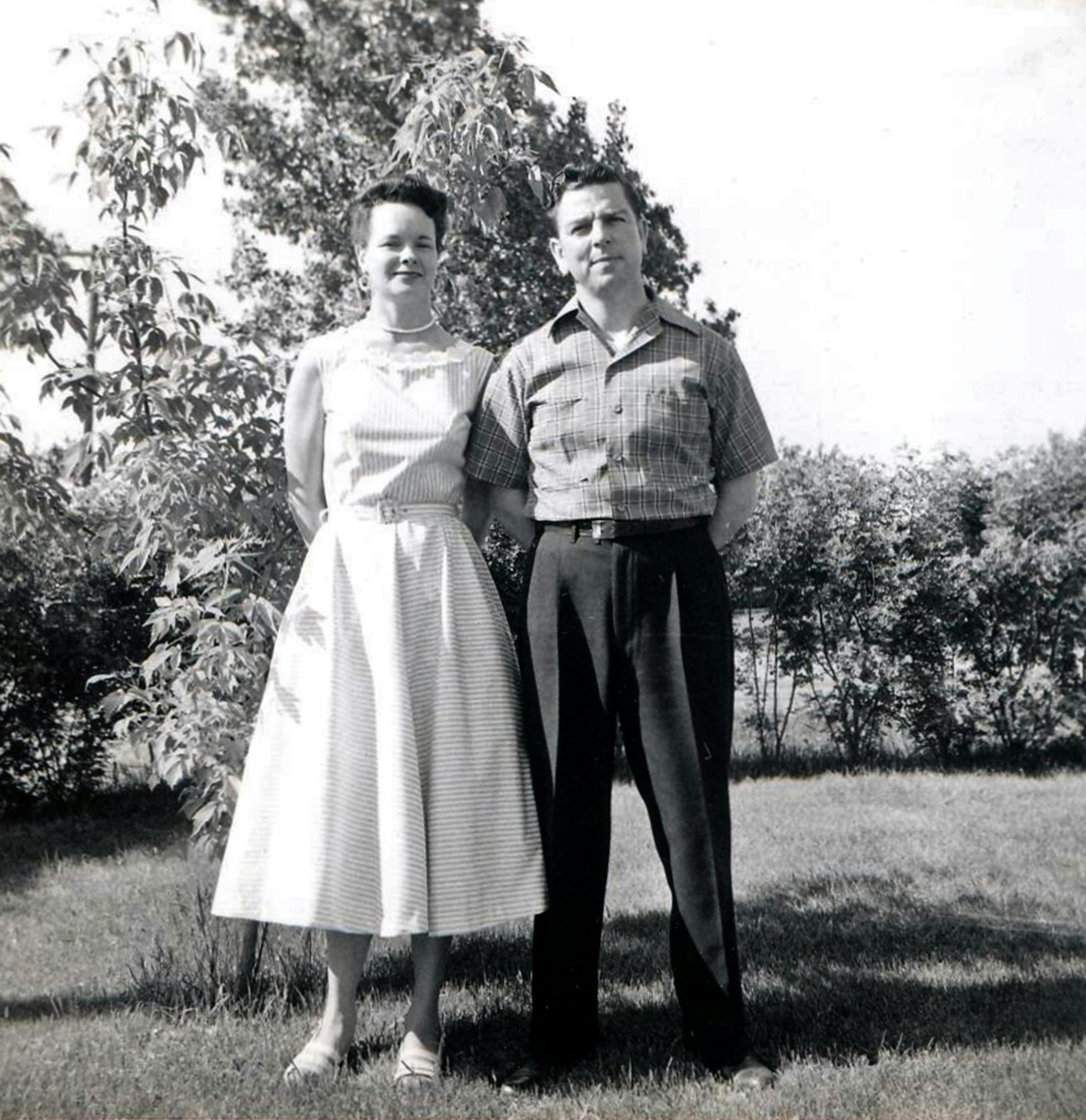
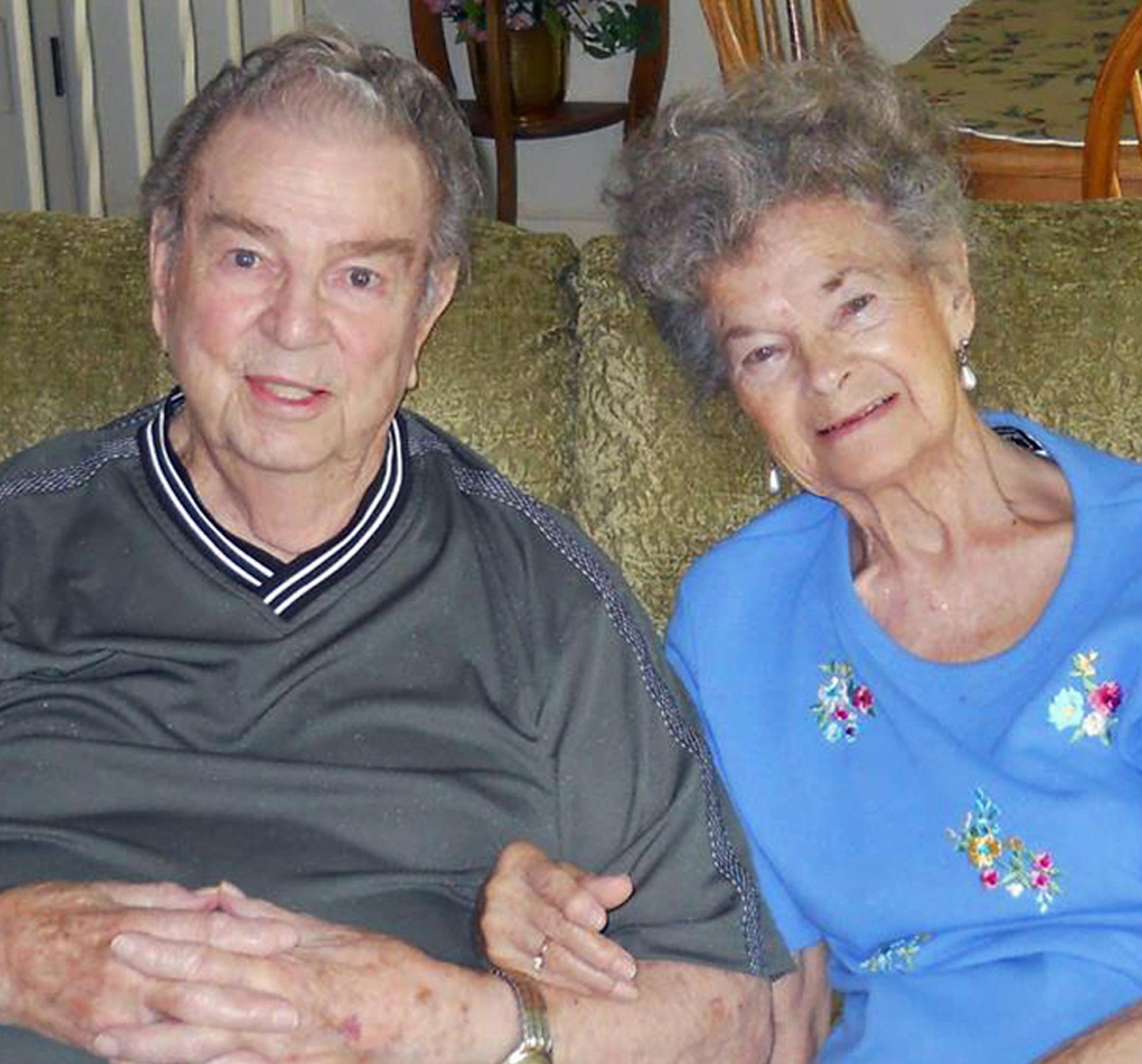
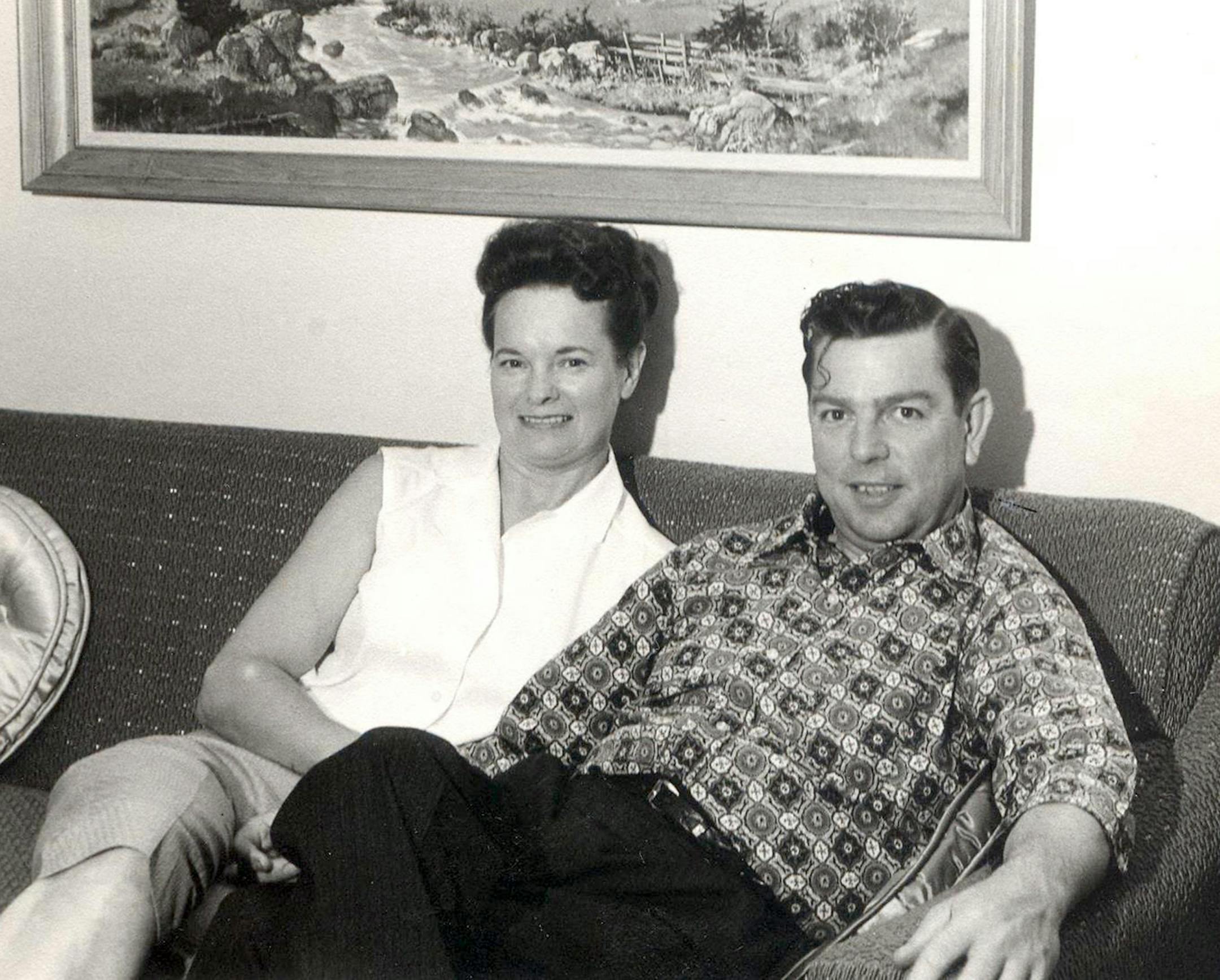
Elderly couples who have spent their lives together remain inseparable even in their last breaths — dying within hours of each other. It happened to a couple from Crookston, Minn., recently: Eva Vevea held the hand of her husband, Clifford, one last time after he died of natural causes. Hours later, she was gone, too.
But can a person really die of a broken heart?
"It's very real," said Dr. Scott Sharkey, a cardiologist with the Minneapolis Heart Institute at Abbott Northwestern Hospital.
Doctors even have a not-so-subtle name for it: broken heart syndrome.
"Any cardiologist in town will tell you that they've seen several cases of this," Sharkey said. He studies the medical condition, which is triggered by sudden, major stress. The symptoms are similar to a heart attack: shortness of breath, chest pains, an accelerated heartbeat.
For senior citizens, this type of sudden heart injury can be especially dangerous when combined with pre-existing conditions and their age. Researchers at the University of Glasgow conducted a large study of more than 4,000 married couples, ages 45 to 64, and found that widows and widowers had a 30 percent elevated risk of death in the first six months after their spouses had died.
There's no way to know for sure if broken heart syndrome caused the death of Eva Vevea or any other elderly person who has died soon after losing a spouse, Sharkey said. But he acknowledged that it is certainly possible. Of all the triggers known to cause broken heart syndrome, "grief is certainly a powerful one."