

By the time college football fans begin filling stadiums this August, the entire NCAA landscape could be rippling with change as the Big Ten and four other major conferences seek to align and shape their own rules.
Rebuffed by smaller-revenue schools in previous attempts to address athletes' concerns, the so called "Power Five" conferences — the Atlantic Coast, Big Ten, Big 12, Pac-12 and Southeastern — are declaring the need for autonomy.
In May, the Pac-12 presidents laid out a list of 10 objectives these 65 schools should seek, including more money for all scholarship athletes and longer-term medical coverage for injuries suffered in college.
Some warn of stretching athletic budgets too thin, forcing some schools to cut sports. But SEC Commissioner Mike Slive said last week that if the Power Five conferences aren't given the flexibility to form their own bylaws, they might have to create a new NCAA division — Division IV.
In a more measured statement from their summit in Chicago this past weekend, the Big Ten's presidents and chancellors said they support major changes but that "more work needs to be done as we seek to implement a 21st century governance structure."
The proposal granting autonomy to the Power Five conferences is expected to pass the NCAA board of directors in an August meeting and then be put to a vote of the full NCAA membership in January.
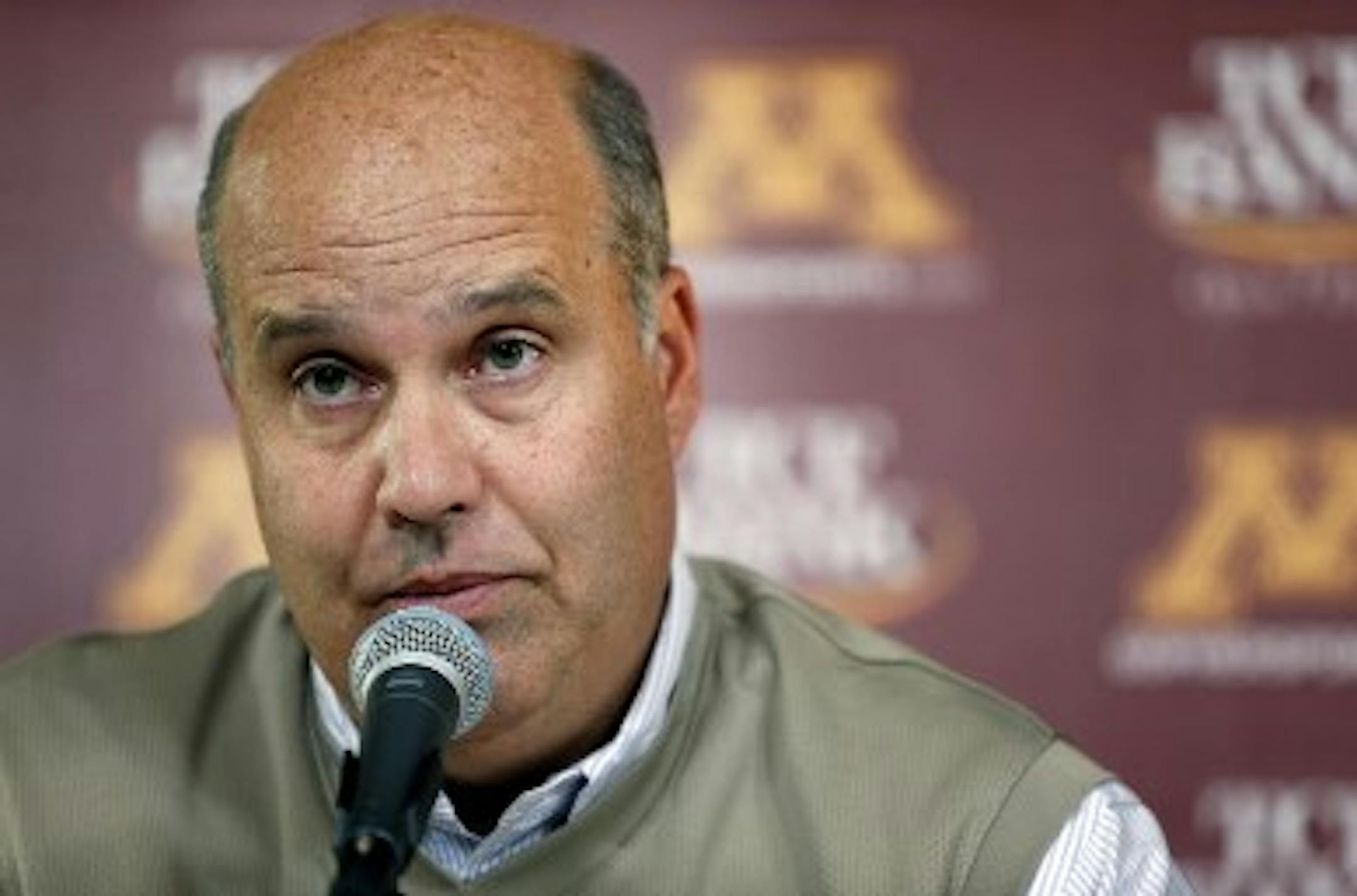
"There is certainly a good chance of some changes," Gophers athletic director Norwood Teague said Monday. "I'm not sure there's any need to panic, whether you're a midmajor or a Big Five school. It may be a good time for readjustment."
Besides the longer-term medical coverage, here's how athletes at the Power Five schools could benefit:


