
Bye-bye, baby birds

Were beetles found in nest box the cause of bluebird chicks' death?

June 8, 2010 at 9:30PM
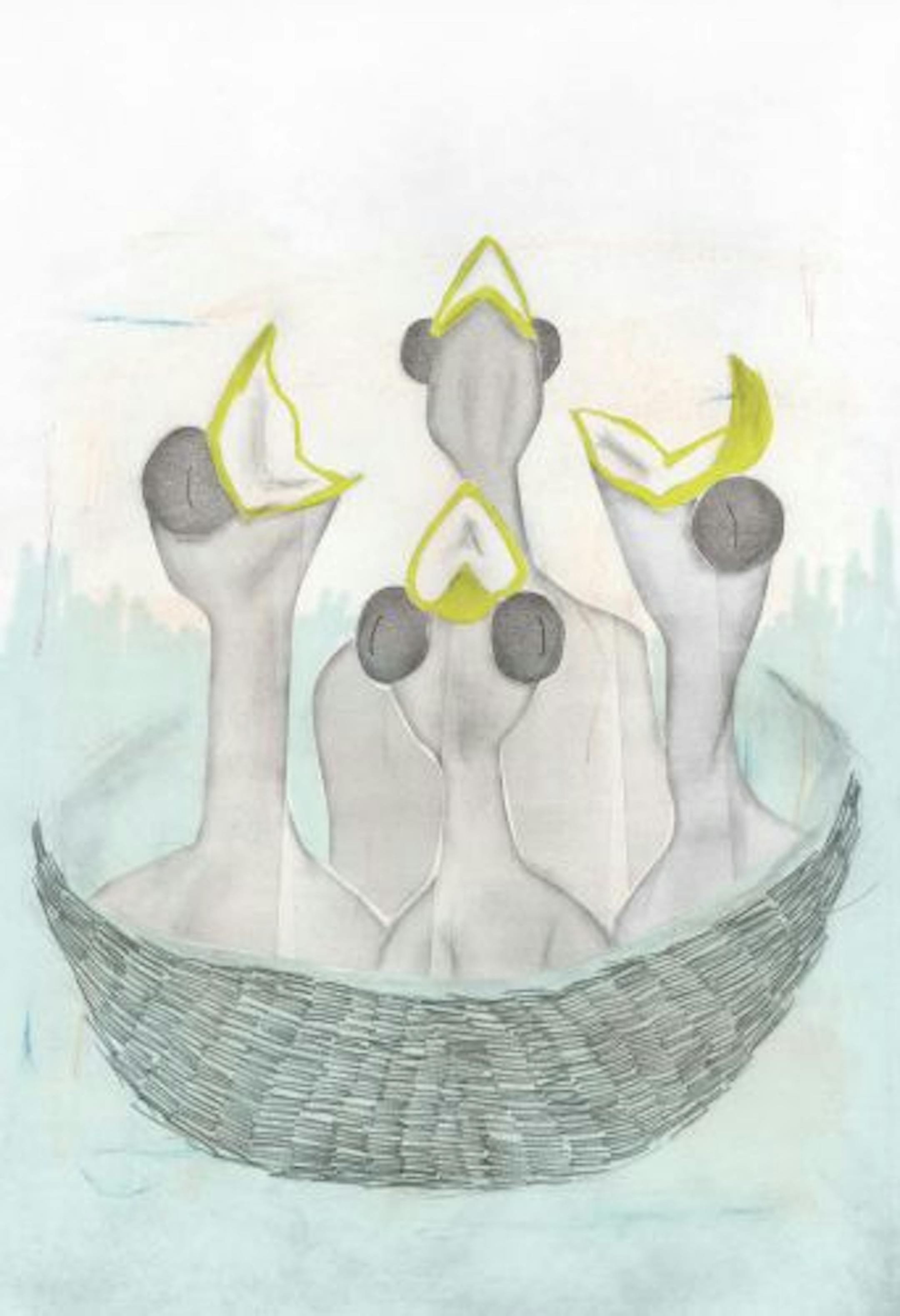
300 dpi Katie Miller color illustration of of baby birds in nest with mouths open. The Seattle Times 2008<p> empty nest illustration baby birds animal babies hunger feeding parenting multiples, krtfeatures features, krthumaninterest human interest, krtlifestyle lifestyle, krtnational national, krtworld world, leisure, gastronomy, krtfood food, animal, environmental issue, krtenvironment environment, natural resource, natural resources, undomesticated animal, wildlife, HUM, ENV, ODD, LEI, LIF, FE
300 dpi Katie Miller color illustration of of baby birds in nest with mouths open. The Seattle Times 2008 empty nest illustration baby birds animal babies hunger feeding parenting multiples, krtfeatures features, krthumaninterest human interest, krtlifestyle lifestyle, krtnational national, krtworld world, leisure, gastronomy, krtfood food, animal, environmental issue, krtenvironment environment, natural resource, natural resources, undomesticated animal, wildlife, HUM, ENV, ODD, LEI, LIF, FEA, 10003000, 08001000, 08000000, 10000000, 06006008, 2008, krt2008, krt, mctillustration, se contributed coddington miller mct mct2008 (Seattle Times/The Minnesota Star Tribune)

Q I opened a bluebird nest box to find dead chicks, overrun with large brown beetles. Did the insects kill the nestlings? The birds were almost old enough to leave the nest.

A No, the beetles didn't kill the birds. They were there to help clean up the mess.

First, the birds likely starved or were killed by blowfly larvae. Wet, cold weather could have prevented the adults from finding sufficient insects to keep their young alive during that period. Baby birds grow quickly; their energy demands are high.

Another possibility is that one of the adult birds was injured or killed, leaving the surviving parent with an impossible feeding job.

Or, an insect called a blowfly could have laid its eggs in the nest. Larvae hatch from the eggs and feed on the blood of the baby birds. The nestlings can survive a modest loss of blood, but will weaken and die if too many blowflies attack.

Beetle ID

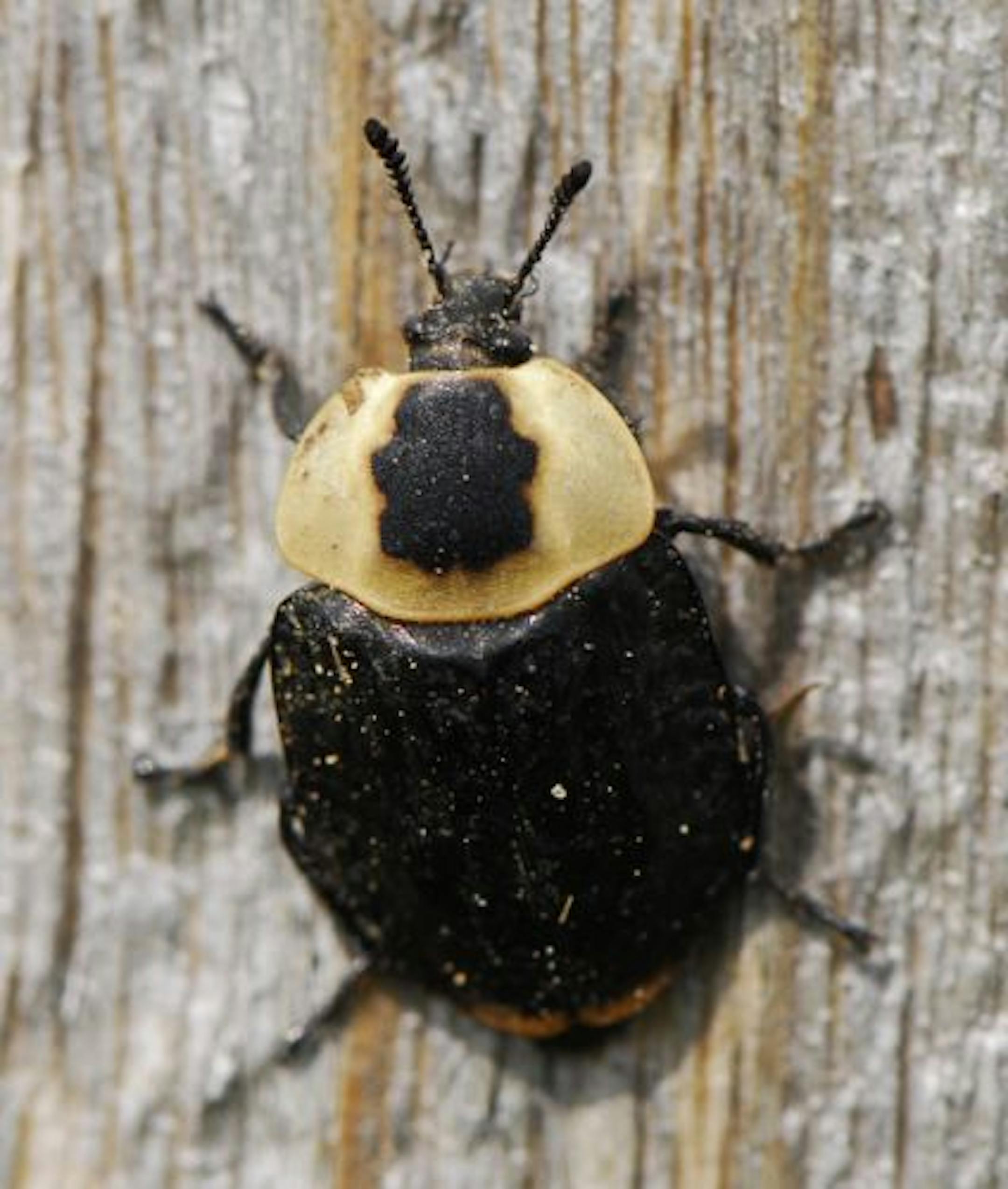
Q What kind of beetles did I see? They were about half an inch long, dark brown with a cream-colored shell just behind the head, and a small crest-like mark.

A What you describe is the American carrion beetle. It does not eat dead flesh, but its larvae do. The beetles lay eggs on the dead animal. The larvae hatch in short order, and start feeding on the carcass. Flies also lay eggs on dead animals; their larvae are competitors for food once they hatch. The adult beetles eat the fly larvae to reduce the competition for food that their "babies" might face. (The scientific name of this beetle is cool: Necrophila Americana.)
Feeder traffic

Q Traffic at my bird feeders has slowed to almost nothing. What's happening?

A Some of the winter/spring species have moved into breeding territories elsewhere. The yard birds that were coming to your feeders for seeds are now looking for insects to feed their young. Baby birds need the protein and fat that insects provide; seeds are good, but not good enough to nourish nestlings. Once the babies leave the nest you can expect to see your feeder traffic grow.

Counting goslings

Q We have two Canada goose families in our neighborhood. One has six goslings, the other only one. Why the difference in family size?

A Predators are the likely answer. Six goslings is an average-sized brood. The parents of the lone chick could have lost the rest of their family to snapping turtles, raccoons, foxes, coyotes -- any of a number of predators whose job it is to keep geese (and other prey animal) populations under control. On average, half of almost all bird chicks hatched this spring will be dead in less than a year, from one of nature's reasons or another. Think of the number of birds of any species we'd have if each of them survived to see children, grandchildren, great-grandchildren, and so on.

Lifelong birder Jim Williams can be reached at woodduck38@gmail.com. Join his conversation about birds at www.startribune.com/wingnut.

American Carrion Beetle
American Carrion Beetle (Jim Williams)
about the writer

about the writer

JIM WILLIAMS, Contributing Writer

More from Minnesota Star Tribune

See More
card image
J. SCOTT APPLEWHITE, ASSOCIATED PRESS/The Minnesota Star Tribune

The "winners" have all been Turkeys, no matter the honor's name.

In this photo taken Monday, March 6, 2017, in San Francisco, released confidential files by The University of California of a sexual misconduct case, like this one against UC Santa Cruz Latin Studies professor Hector Perla is shown. Perla was accused of raping a student during a wine-tasting outing in June 2015. Some of the files are so heavily redacted that on many pages no words are visible. Perla is one of 113 UC employees found to have violated the system's sexual misconduct policies in rece