

 2:07
2:07Paul and Desirée Brazelton's Minneapolis house was supposed to be the start of something.
The 1935 Tudor near Lake Nokomis was totally retrofitted in 2011 to meet the standards of an extremely efficient German building system that keeps a house warm without a furnace. The Passivhaus system maintains heat with efficient windows and doors and lots of insulation; the Brazeltons added the hot-water heater.
Their house, the first such retrofit of an existing structure in North America, was intended to inspire other middle-income people to build their own Passivhauses. It has inspired others, but their would-be followers are finding the financing harder than keeping a house warm in a Minnesota winter.
"When we first started it, there was very little information about people doing this other than, like, 'Crazy millionaire builds super-awesome house,' " Paul Brazelton said.
The Brazeltons' retrofit was a community event — and they wanted it that way. They blogged about the project and gave public tours once the house started taking shape. As word spread, more than a dozen companies signed on as sponsors, trading supplies and services for publicity.
After a year and a half in the house, they've seen their energy costs drop about 85 percent. There's still a lot of interest from those who dream of an energy-efficient house of their own.
But in the United States, it can be difficult to finance such projects, which cost a lot upfront but save money later. For families following in the Brazeltons' footsteps, there isn't the benefit of widespread sponsorship.
Tim Eian, the architect behind the Brazeltons' retrofit, said houses built to the Passivhaus standard are commonplace in his native Germany and in much of Europe.
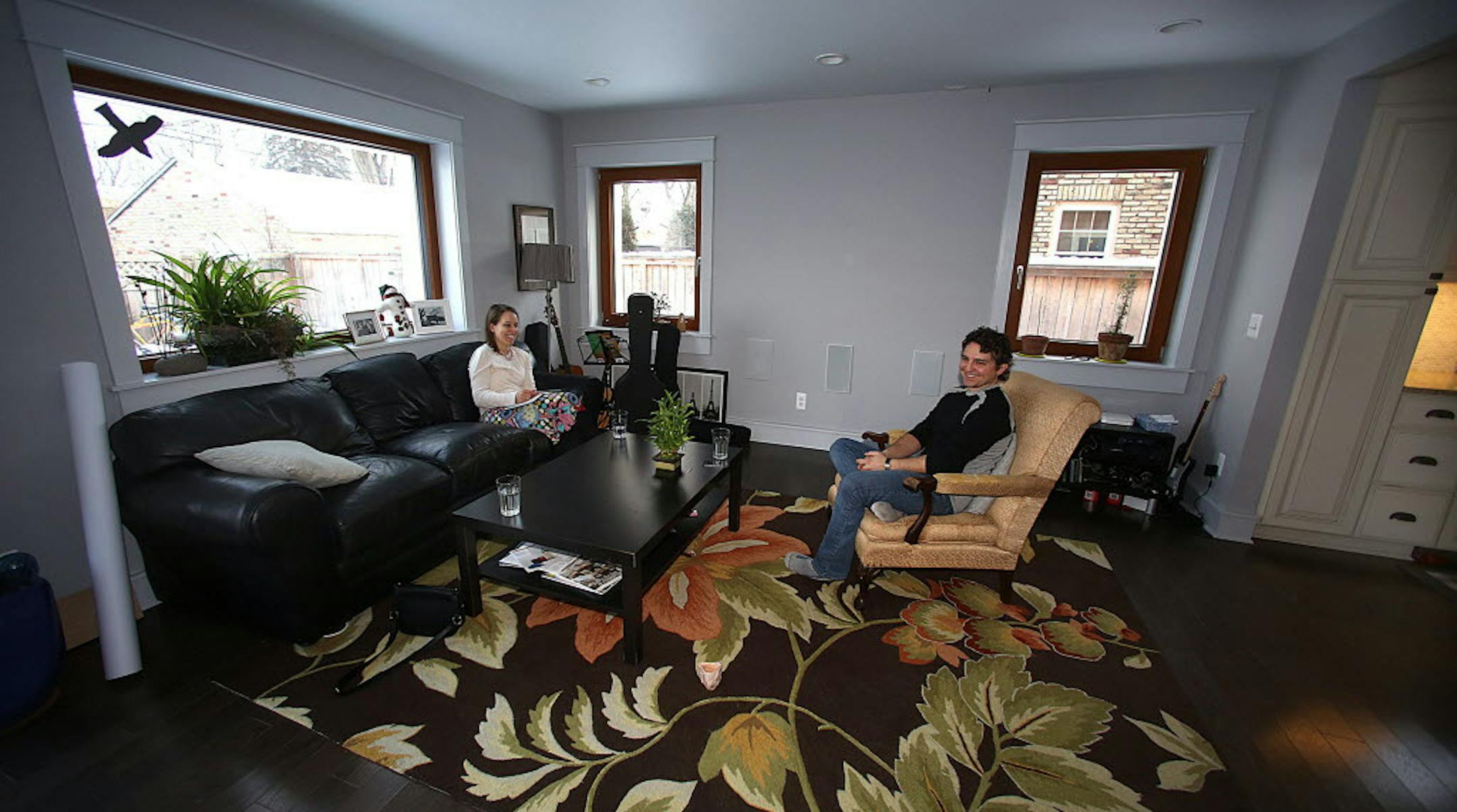
![Homeowner Paul Brazelton described some of the apparatus required to operate the hot water heating system that keeps his familyís Minneapolis home warm in the winter. ] JIM GEHRZ ï jgehrz@startribune.com / Minneapolis, MN / January 25, 2014 / 1:00 PM BACKGROUND INFORMATION: The Brazelton family lives in a home that has no furnace, thanks to Passivhaus technology.](https://arc.stimg.co/startribunemedia/FH2TUHP34OEBZEF3ZPLJR4IUTI.jpg?&w=1080)


