Long before Bernard Malamud made it mythological, decades before Paul Auster's labyrinth took root upon its leafy blocks, Brooklyn was home to thousands upon thousands of Irish immigrants. Seventy thousand, to be exact, many of whom came to America for work and a better life.
By 1950, however, the number of Irish-born residents in Brooklyn had dropped below 30,000. They were moving to the Bronx and Queens, and Brooklyn was becoming the multiracial city it is today.
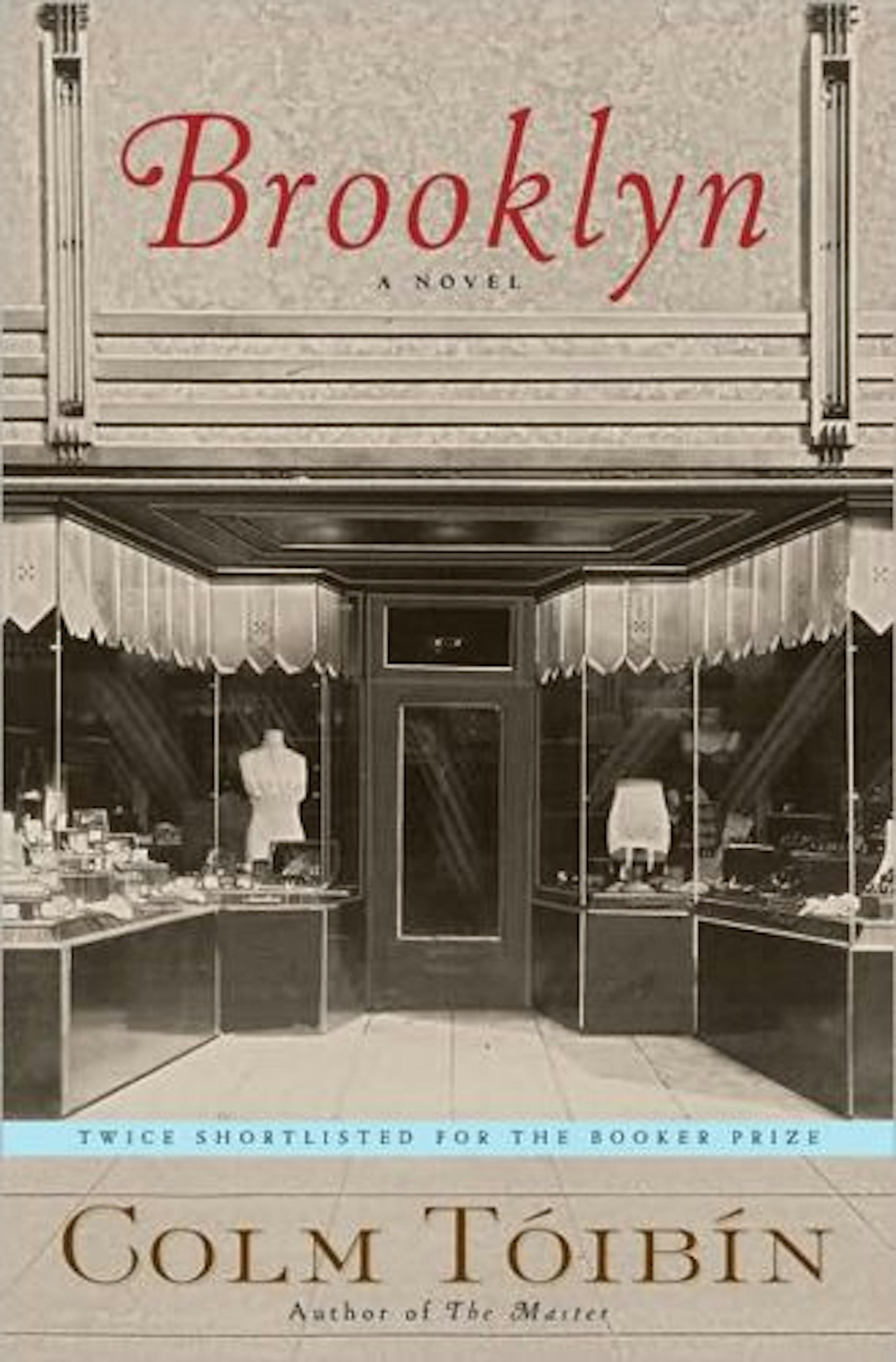
In his latest novel, "Brooklyn," Colm Toibín throws Eilis Lacey, the young heroine, into this shifting mix of New Yorkers and emerges with an acutely modulated portrait of a woman caught between two worlds.
The world Eilis hails from will be familiar to readers of Toibín's fiction. Enniscorthy after World War II is a grim place of shrinking opportunities and familiar rituals.
There's the church dance, and the shop where Eilis works most days for so little money that it amounts to charity work -- although it is the cheap, mean-spirited owner who thinks she is the one bestowing a gift.
Just after World War II, times are tight. Eilis' mother must explain where she gets such things as bread crumbs. A young man with a car is a prince. Everyone notices if you dance two songs with another fellow.
It is not hard to see why Eilis would leave Enniscorthy. Indeed, her two brothers left for work in England long before. But it is less common for a woman to undertake such a massive voyage. Quietly, with unfussy charm, "Brooklyn" chronicles how her journey away from this place changes her.
Toibín's great strength as a writer has always been the mutability of his prose. In "The Master," he adopted the long, winding sentences of his hero, Henry James. "The Story of the Night" seethes with the humid atmosphere of Argentina in the 1980s, perched on the precipice of change.