

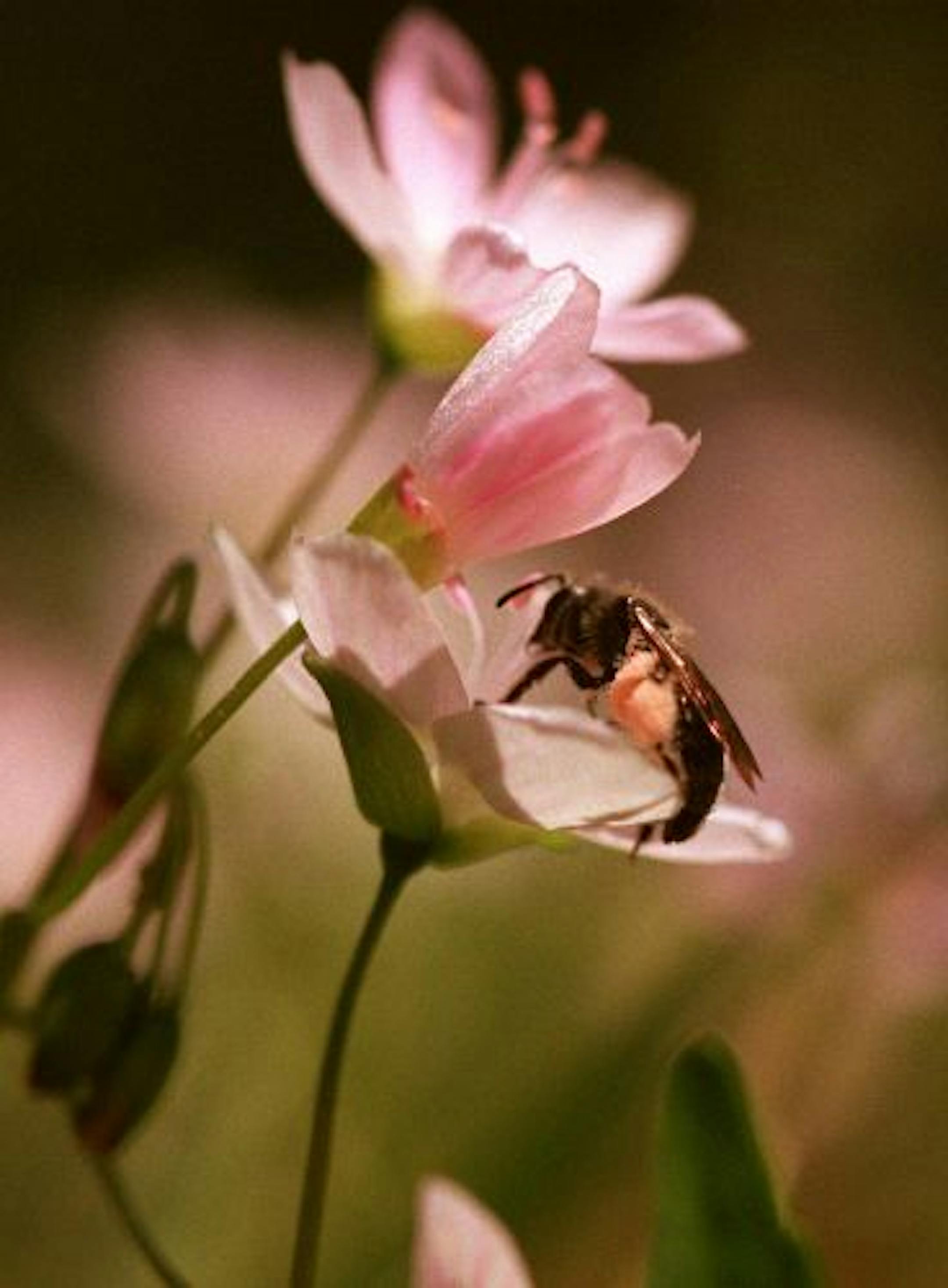
When your garden is in full bloom, it's easy to think that plants can do it all by themselves: grow, flower, even produce fruit. But most plants need a little bit of help with their sex lives.
Since they can't move, plants have a difficult time mating the way that animals do. They've found a way around this problem by using animals, or, more specifically, insects, to do their mating for them.
Plants attract insects by offering them food in the form of nectar or pollen. In the process of eating, the insects get themselves covered in pollen, which is then transferred to another plant by the insect. Without insects, those inadvertent pollinators, your garden wouldn't be able to produce some flowers and most food. Apples, squash, lima beans, cherries, apricots, raspberries -- the list of plants that depend on insect pollinators goes on.
Obviously, pollinators are important, and the most important of the garden pollinators is the honeybee.
As you may have heard, all is not well with the honeybees. And that may have a direct impact on your garden. In the coming years, your vegetable plants and your fruit trees could be less productive if there aren't enough bees to do the pollinating.
Honeybees are being threatened by a new disease known as colony collapse disorder. According to Dr. Marla Spivak, a honeybee researcher at the University of Minnesota, bee colonies have suffered devastating losses every year for the past four years. Although the exact cause of colony collapse disorder isn't clear, gardeners may be contributing to the demise of bees.
First, lots of gardeners like to fill their flower beds with hybridized annuals. But while they look pretty and flower all summer, many of these flowers don't contain much nectar or pollen for bees.
Our use of insecticides also may harm bees. And a new group of insect killers, called the neonicotinoids, is suspected of making bees more vulnerable to colony collapse.


