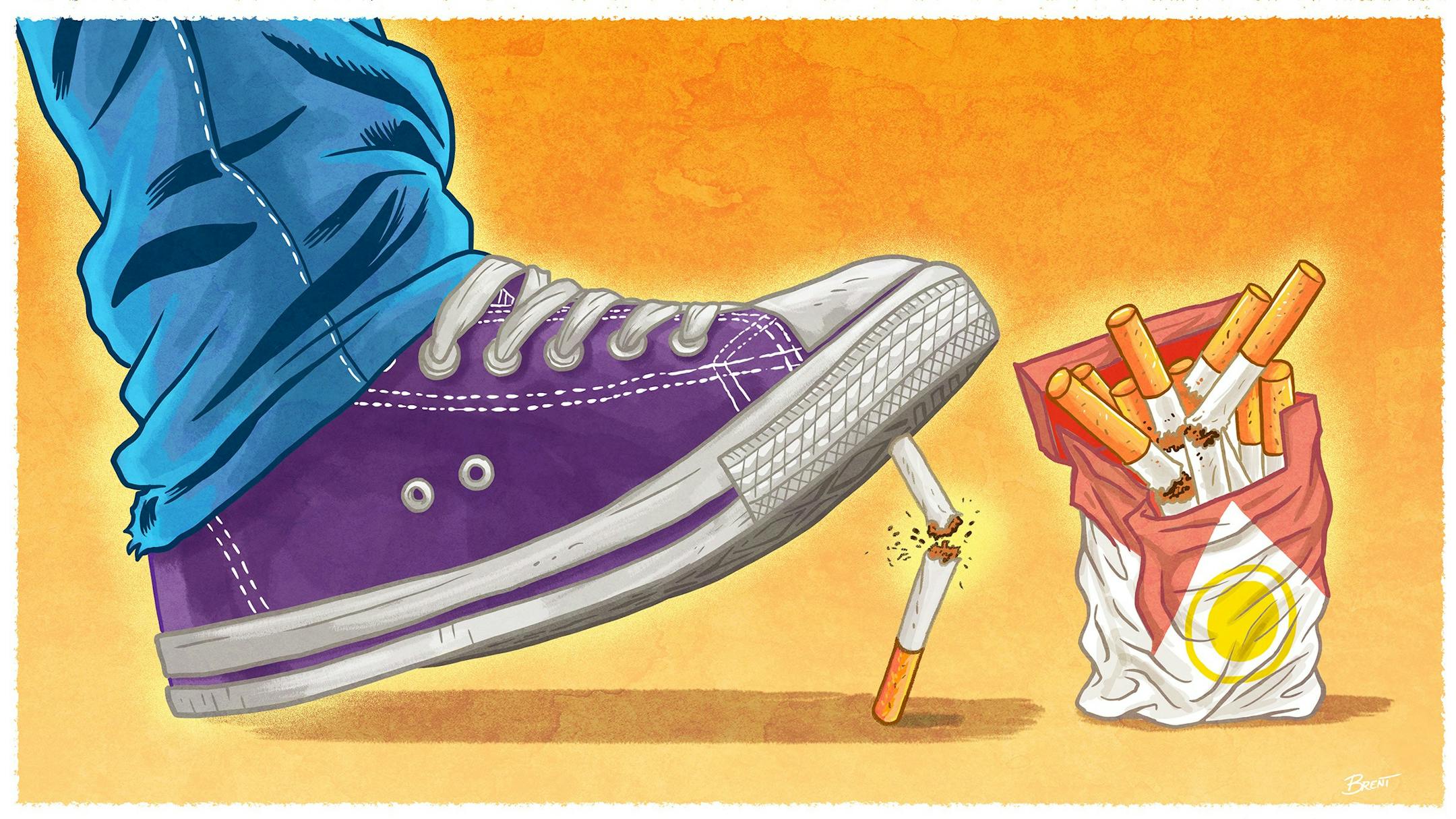
The movement to reduce commercial tobacco use in the U.S. has made great strides, but some groups are still at risk of being left behind.
While the overall smoking rate has seen a decline over the past few decades, people with behavioral health conditions, especially those living with mental health and substance abuse disorders, continue to be disproportionately affected.
Commercial tobacco use is a major barrier to recovery for those living with mental health and substance use challenges. That’s why Blue Cross and Blue Shield of Minnesota supports the Lung Mind Alliance — a statewide coalition aiming to reduce the impact of commercial tobacco on these groups.
The Lung Mind Alliance focuses on the relationship between commercial tobacco use and mental health and substance use disorders — a complex issue that’s often overlooked.
Research shows that adults with mental illness and substance use disorders consume almost 40% of all cigarettes smoked in the U.S despite only representing 25% of the population. On top of that, people with mental health conditions are 2-3 times more likely to use commercial tobacco as a form of self-medication, seeking temporary relief from their symptoms.
But this short-term solution can lead to long-term harm, creating a never-ending cycle that exacerbates both tobacco and/or nicotine dependence and mental health issues.
Commercial tobacco use often worsens mental health symptoms. Quitting smoking has been linked to reduced anxiety, depression, and stress, as well as better overall quality of life.
Still, commercial tobacco cessation services are rarely integrated into mental health and substance use treatment programs, leaving many without the support they need to quit.