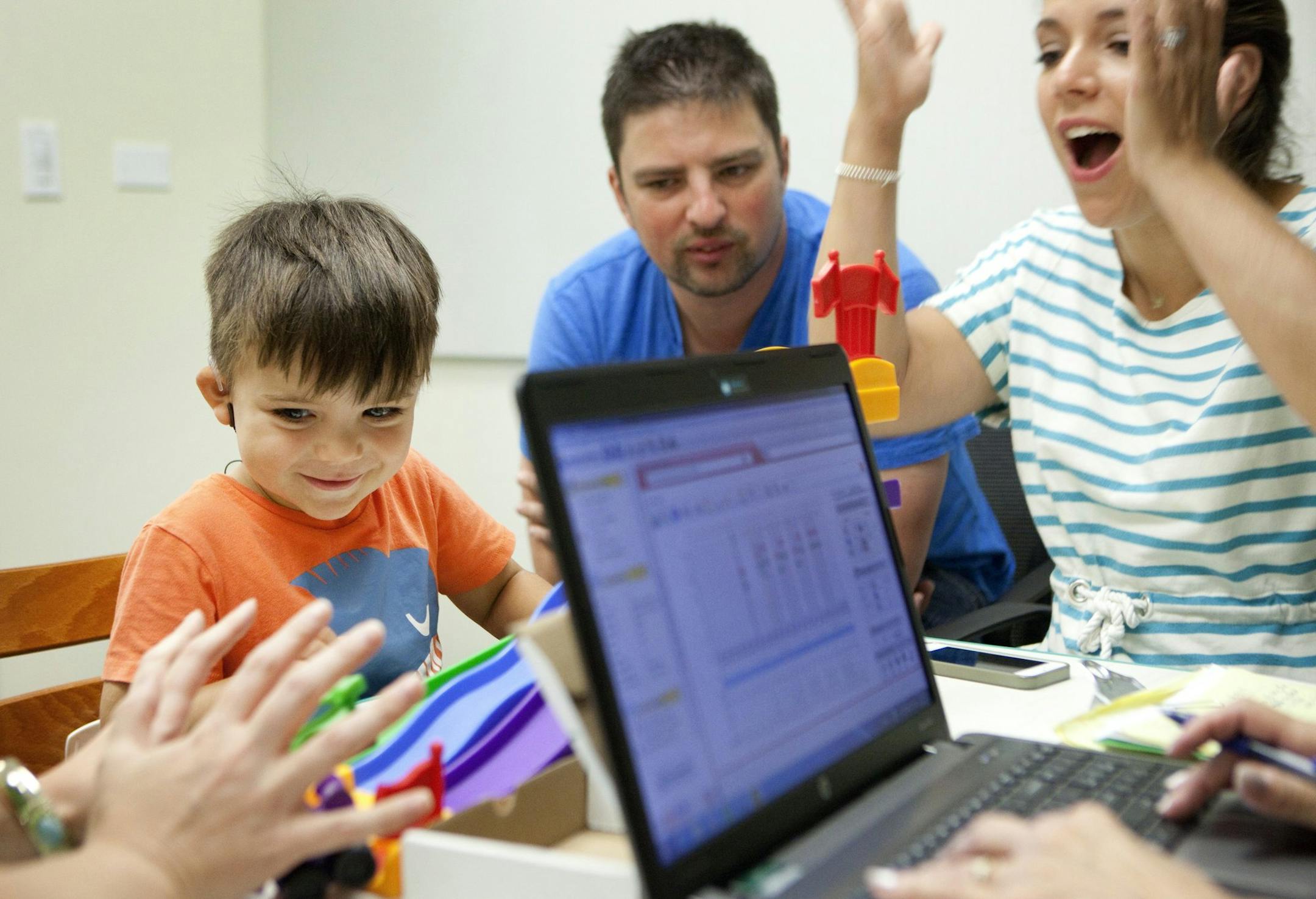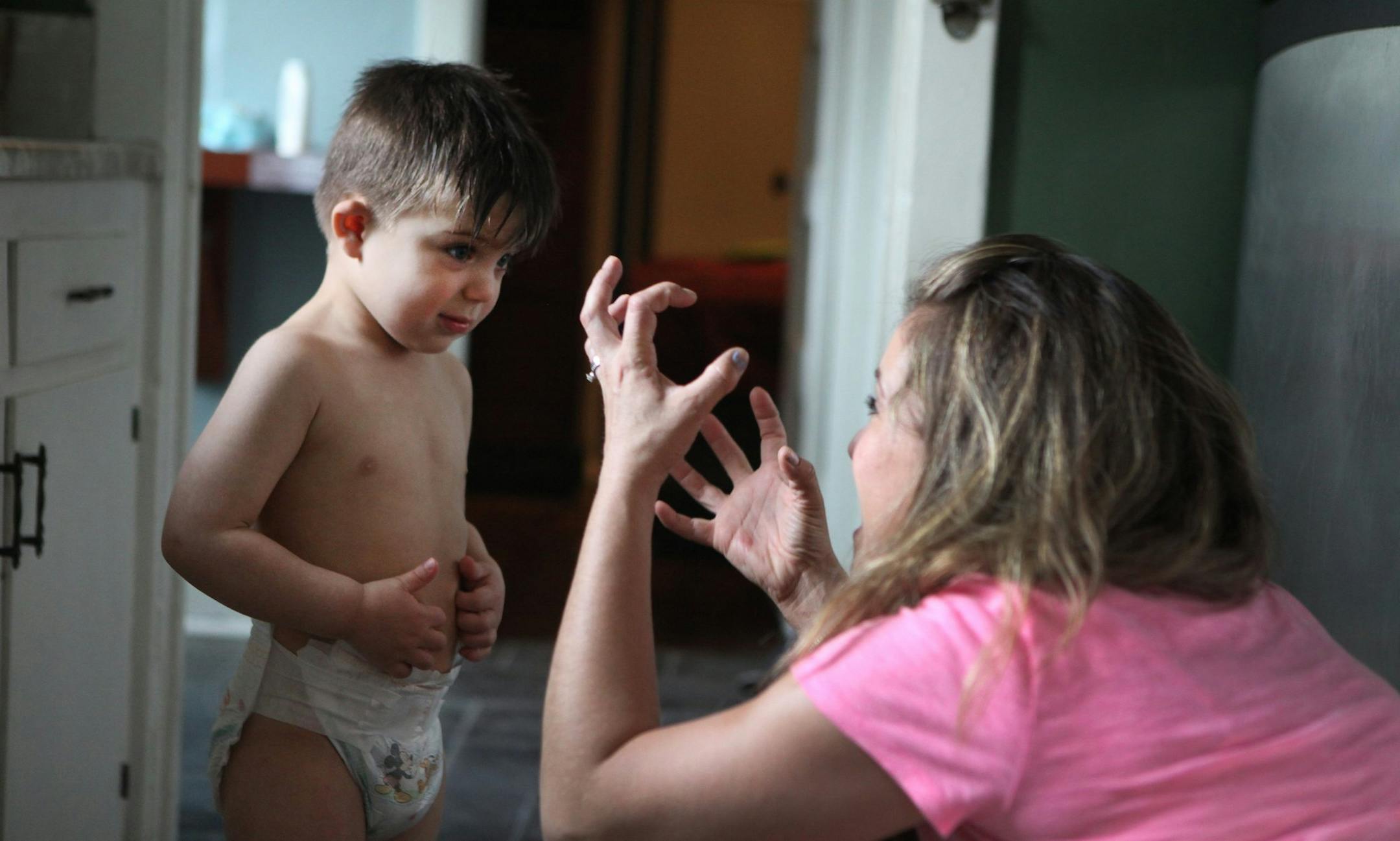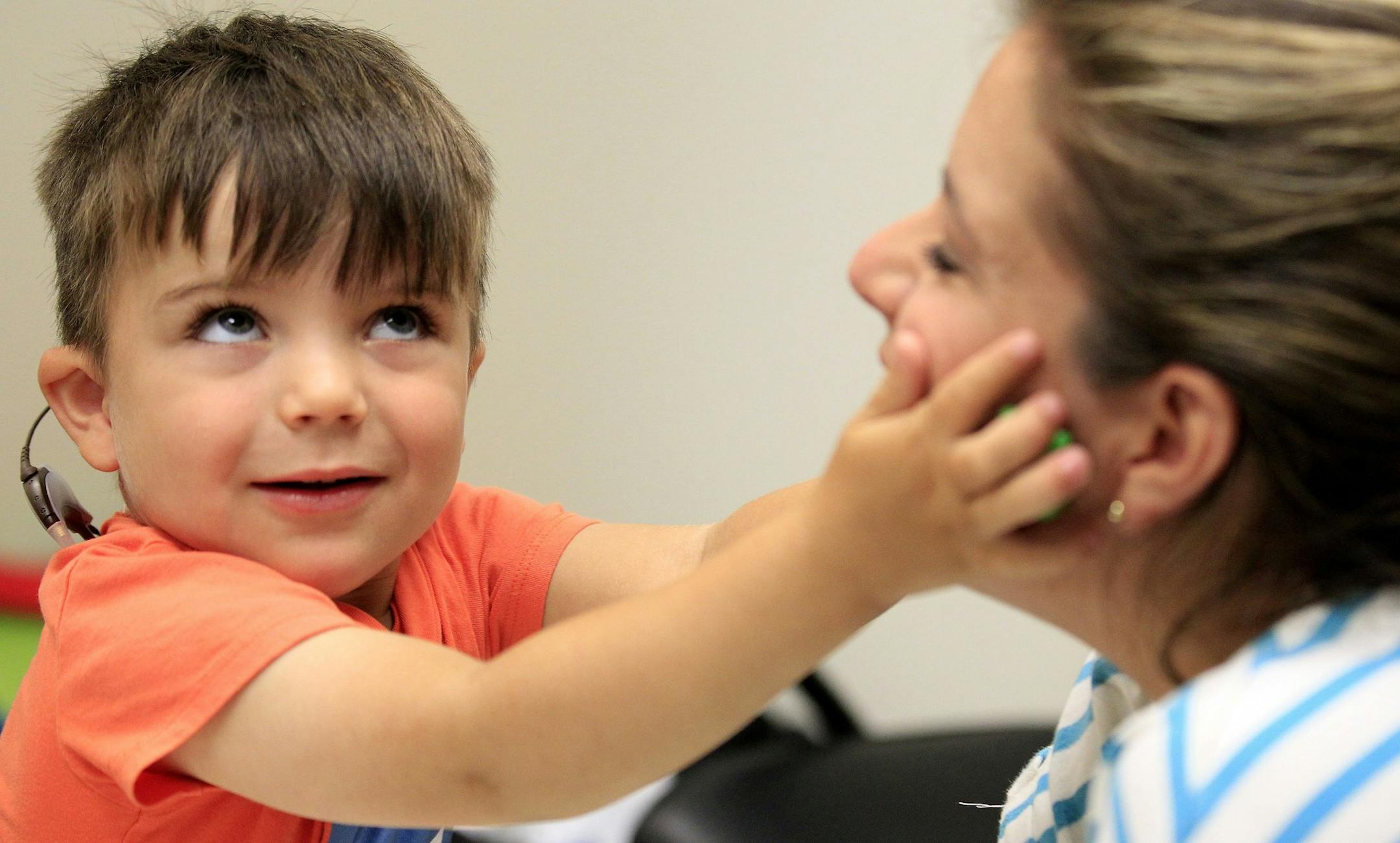
LOS ANGELES – Auguste is 3 years old, a charmer with big blue eyes, long lashes and a playful smile. He's wearing a T-shirt that says "Make some noise" and fiddling with his Etch A Sketch in a hospital exam room.
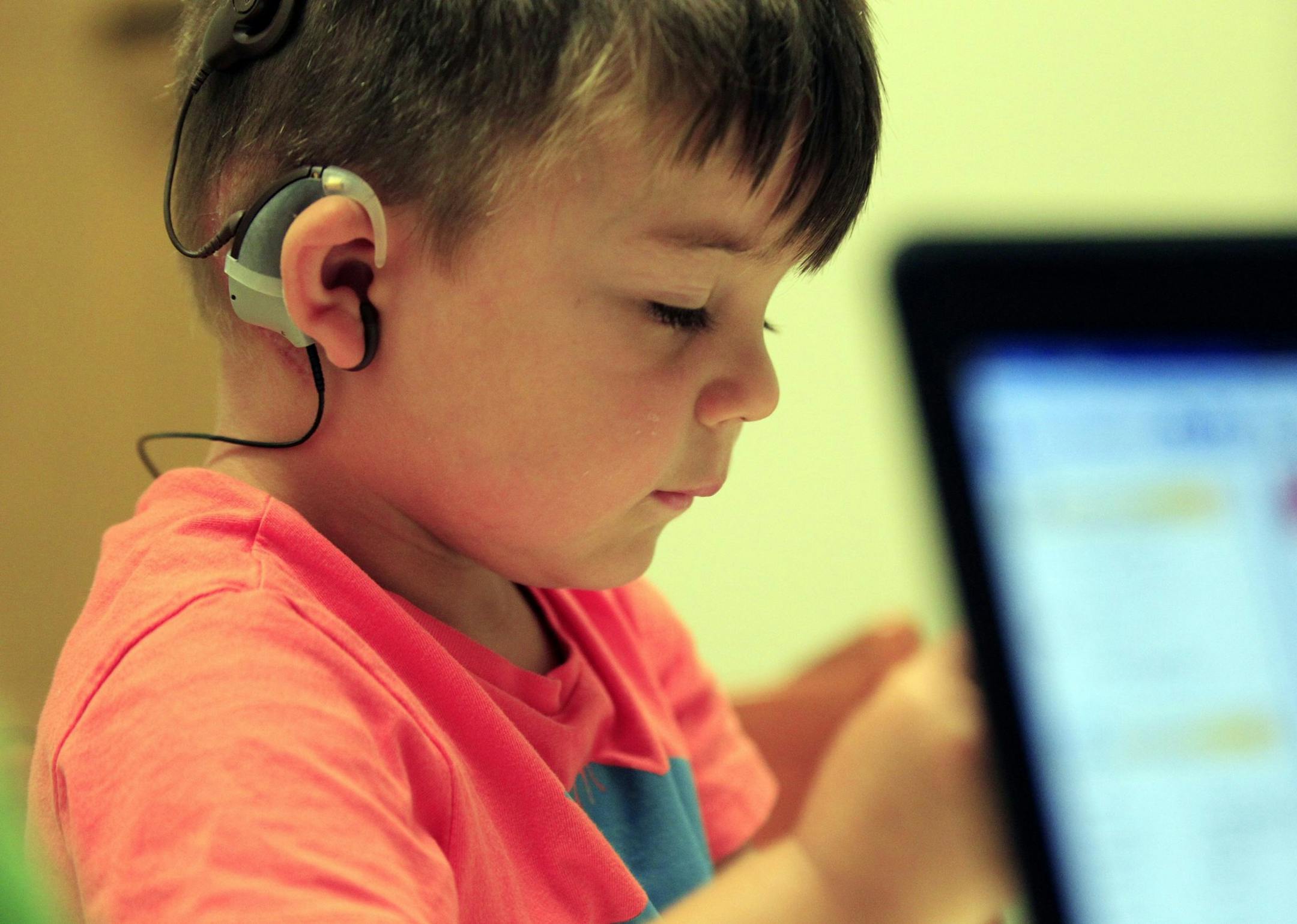
But when a doctor reaches toward his temple, he quickly releases the knobs and tilts his head. Behind each ear, under the skin, are cochlear implants — surgically implanted devices meant to help process sound. But they didn't help Auguste.
He was born without an auditory nerve, the wire that ferries sound from the ear to the brain. He points out planes in the sky but can't hear their engines roar. He's never heard the voices of his 4-year-old sister or 1-year-old brother. He doesn't know the sound of his own name.
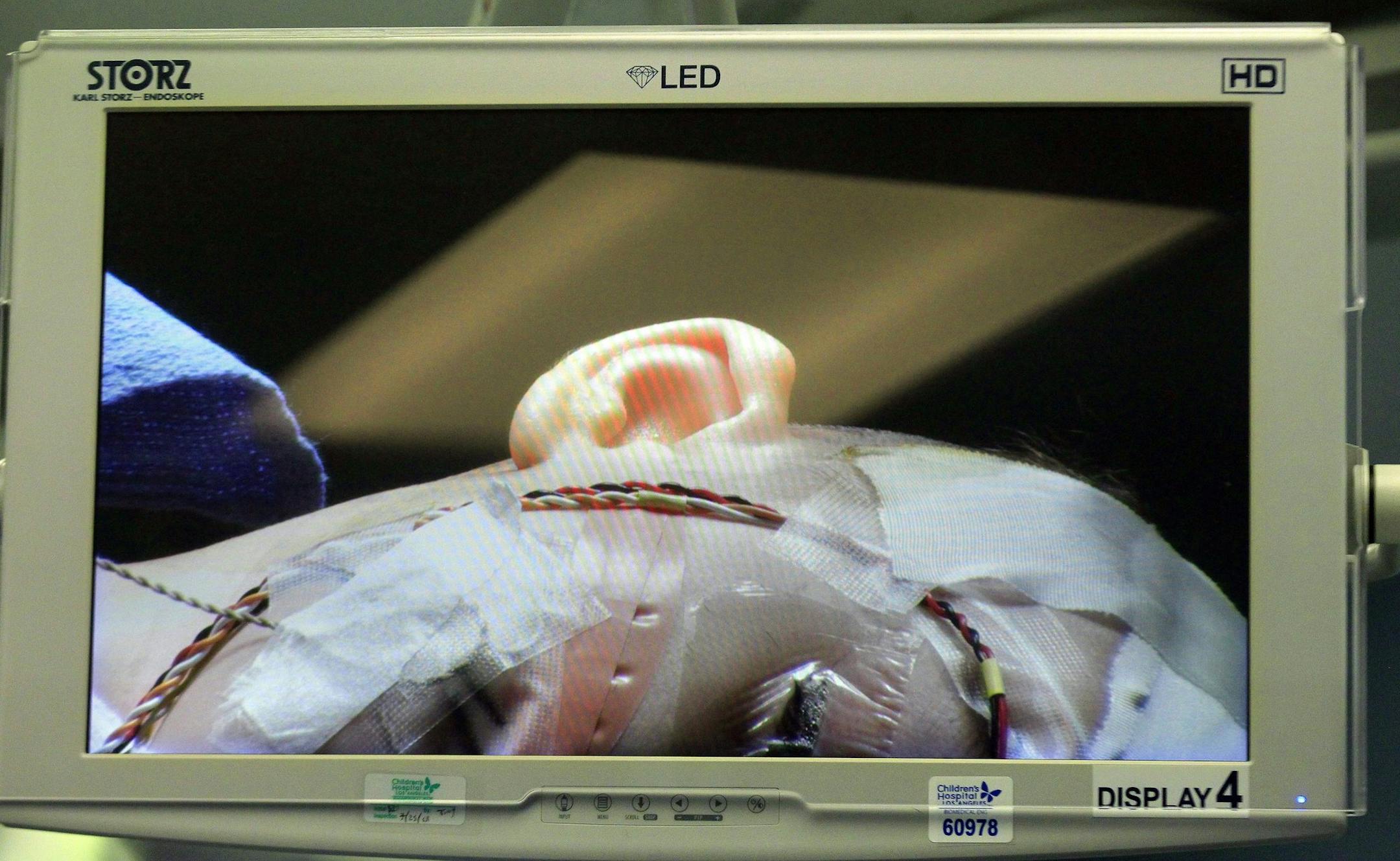
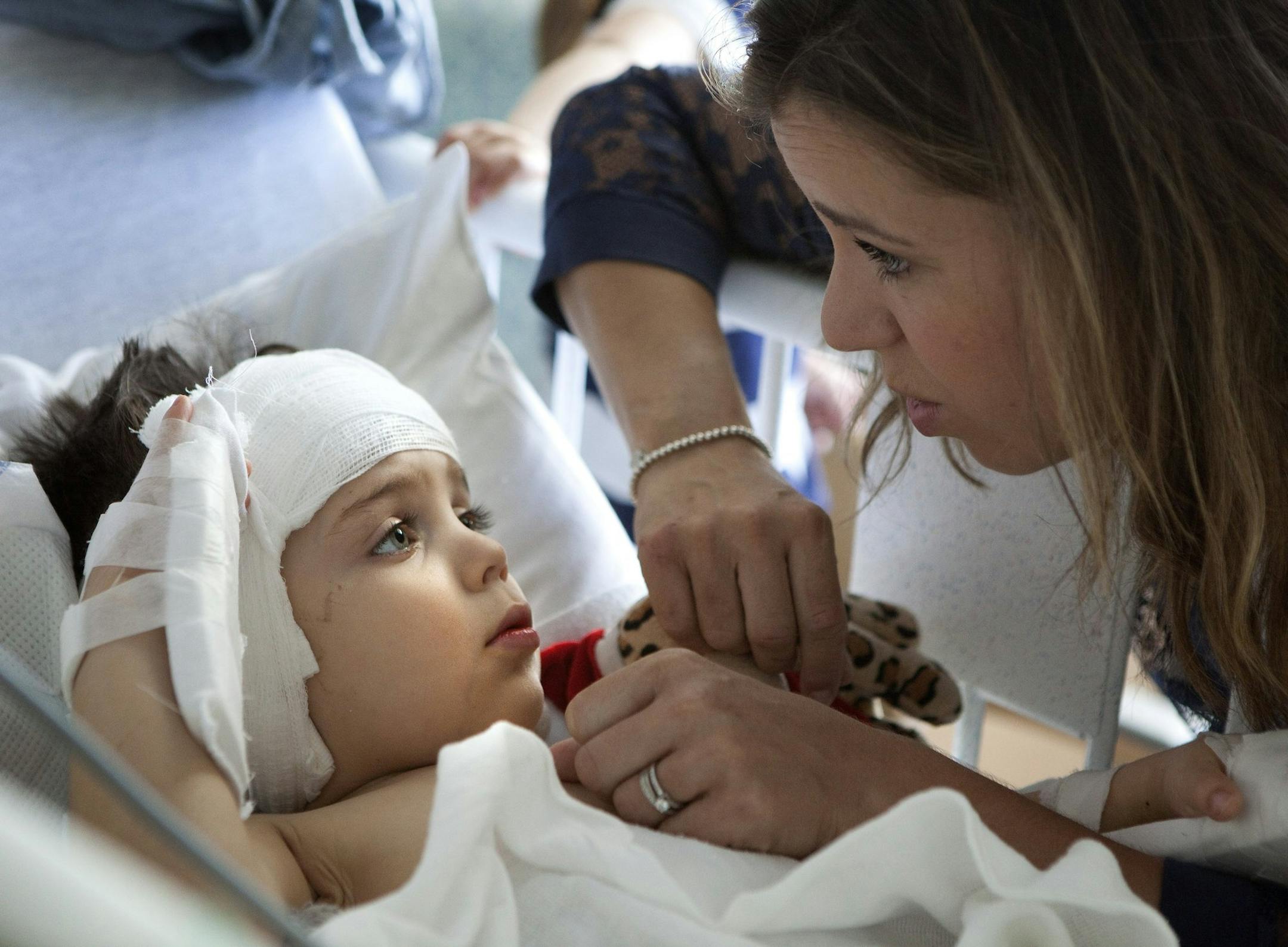
Now, a team of Los Angeles doctors and researchers believes it can help Auguste hear. But the device the team is testing will require surgeons to go much deeper into Auguste's skull, all the way to the brain.
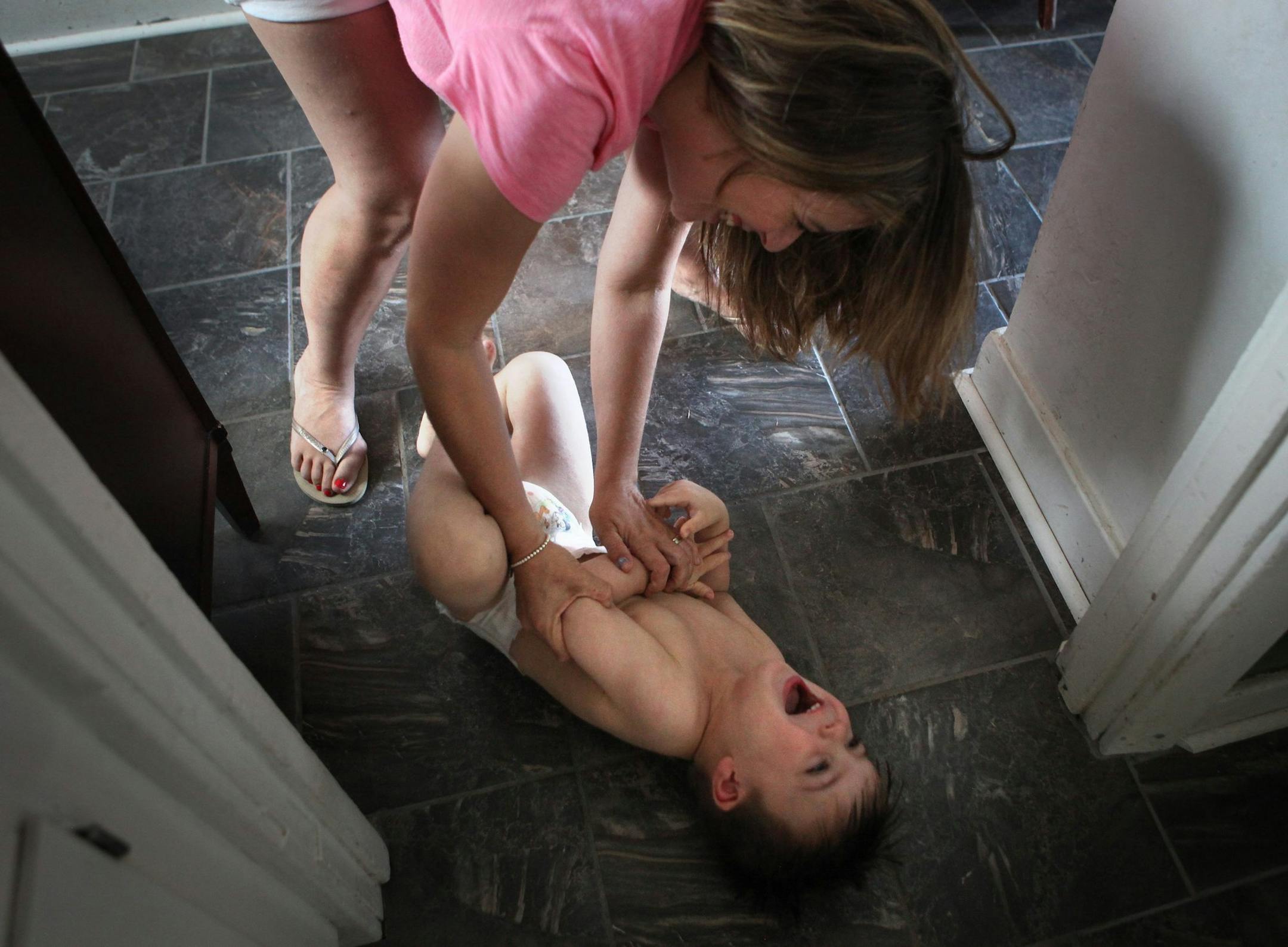
Sophie Gareau, Auguste's mom, often tears up when she thinks about what's ahead. "He's so perfect, you know?" she says. Her voice breaks. "I don't want anything to happen to him. But I am so convinced that it's going to work."
Sophie realized something was off when Auguste was 6 months old: Her baby wasn't babbling. Doctors in Montreal said he was fine. She insisted otherwise, but it was nearly a year later before audiologists played sounds as loud as an airplane engine in the toddler's ear and confirmed what his French Canadian parents had suspected: Auguste was profoundly deaf.
"I think it takes a moment to sink in and then you cry for a week," Sophie said.
Sophie heard about something called an auditory brainstem implant, or ABI. The device uses an external processor on the ear to send sound to a surgically implanted electrode array. A doctor warned her against it.