

Now that the Oscars have finally committed the films of 2013 to historical record, discerning cinephiles can look ahead to the first great movie of 2014: Wes Anderson's "The Grand Budapest Hotel."
Far more than next year's awards hopeful, Anderson's follow-up to "Moonrise Kingdom" is an astonishing culmination of the writer-director's major preoccupations, most involving eccentric surrogate family members spouting snappy dialogue while arranged in geometrically precise, color-coordinated configurations.
The movie opens at the Uptown Theatre on Friday; members of the Film Society of Minneapolis/St. Paul can catch an advance screening at St. Anthony Main on Monday night.
Anderson's wily cinematic genius, which in recent years has brought the likes of "The Darjeeling Limited" and the animated "Fantastic Mr. Fox," hardly arrived through the usual channels. A native of Texas, he chose to study philosophy rather than attend film school. His 1996 debut feature, "Bottle Rocket," was famously rejected by the Sundance Film Festival — a mistake so grievous in hindsight that the festival's director arranged a special screening of the film in January, and even issued an apology.
Almost 20 years after its initial release, "Bottle Rocket" — available on demand via iTunes, Google Play and YouTube Movies — remains fascinating for how purely it reveals the roots of Anderson's idiosyncratic and fastidious technique.
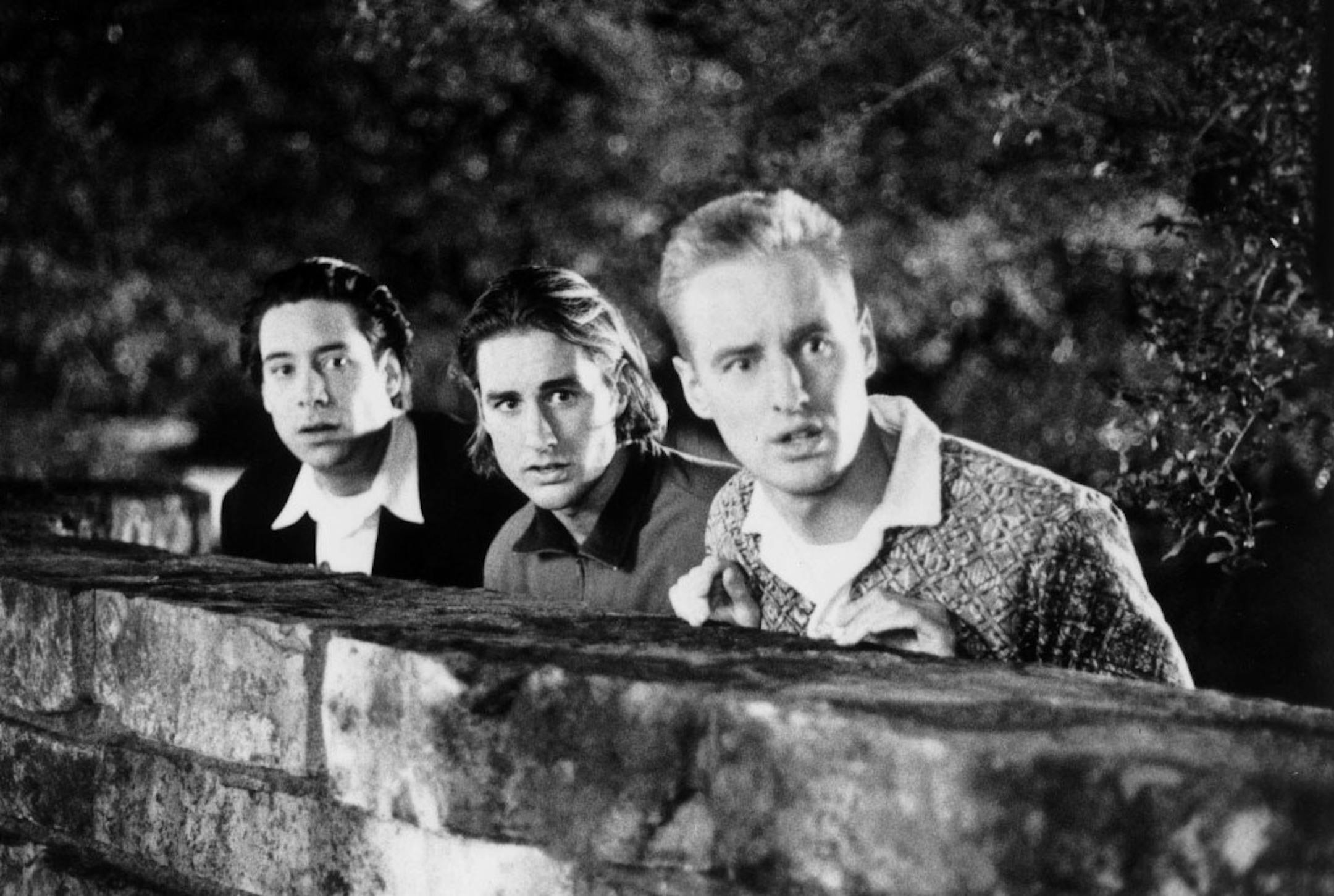
Shot in Dallas on a healthy budget of $6 million (the film was coproduced by James L. Brooks), Anderson's utterly unpredictable comedy follows Anthony and Dignan (brothers Luke and Owen Wilson), two young Texans who break into houses together because they have nothing better to do. Along with the interestingly named Bob Mapplethorpe (Robert Musgrave), the boys fall under the sway of Mr. Henry (James Caan), an older crook who encourages them to rob a cold-storage factory.
Writing of Anderson's debut in Esquire, none other than Martin Scorsese compared the young filmmaker to directors Leo McCarey ("The Awful Truth") and Jean Renoir ("The Rules of the Game"). Other commentators weren't nearly as quick to note Anderson's rare gift, but many agreed that "Bottle Rocket" conveys a palpable affection for its characters — through Anthony's innocent romance with a hotel chambermaid (Lumi Cavazos) and the wacky camaraderie between the three pals.
Metaphorically speaking, "Bottle Rocket" reads as Anderson's fanciful attempt to break into that cold-storage facility known as Hollywood — a heist he managed to pull off in grand style.


