Irish philosopher John Scottus Eriugena was one of the Middle Ages' most distinctive thinkers and a bit of an intellectual bad boy. In a treatise refuting another theologian's views, Eriugena applied reason at a time when only the Word of God was permitted to explain the divine. Even James Joyce (no stranger to heresy or Ireland) wrote that Eriugena's work was a "life-giving breath" to "the dead bones" of orthodoxy.
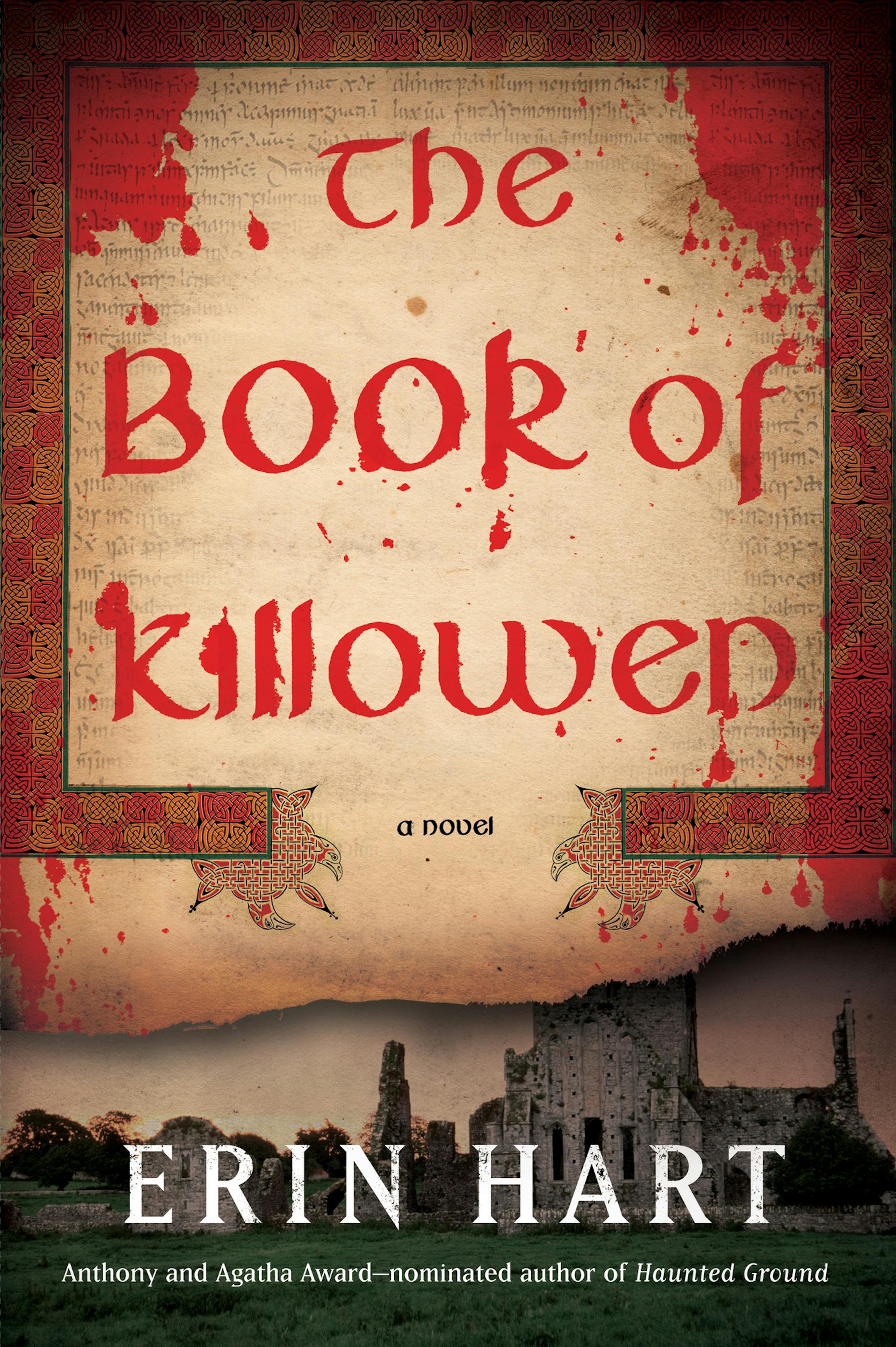
In Erin Hart's "The Book of Killowen," the "dead bones" belong to the corpse of an ancient bog man discovered buried with the body of a Dublin TV host, and a manuscript of Eriugena's is the "breath" that binds them, creating an evocative Irish tale about the tangled legacies of language and familial love.
A year has passed since American pathologist Nora Gavin "brought her sister's killer to justice," and 12 months since she began sharing Irish archaeologist Cormac Maguire's bed. Together, they've been adjusting their domestic life to Cormac's father, Joseph, and his expressive aphasia (his inability to communicate effectively as a result of a stroke). This aspect of Joseph's character is part of a significant strand in Hart's narrative exploring the nature of language and love — its concealed meanings, its "garbled code," its vocal tics, and its illumination in books and art. The strand weaves through her plot in surprising and revealing ways.
While Nora and Cormac are "part of the recovery team" for the bog man, they must lodge with a community of artists at Killowen farm, each one a possible suspect in the murder of the TV host. But the deeper Nora and Cormac dig into the peat, the more they find themselves "unraveling connections between the living and the dead" (you wouldn't be remiss in hearing Joyce in that phrase).
Despite characters eavesdropping too many times as a way to forward the mystery, I was really drawn to Hart's creations, especially the artists on the farm and Stella Cusack, the detective from the Garda Síochána in charge of the investigation. A single mom with a daughter she hardly knows and a mortgage she can "barely afford," Stella holds her bra together with a safety pin and her home life with a thread. Central to the story, she's a vivid and compelling character.
The novel is rooted in medieval Ireland and rich in the particulars of monastic manuscripts: how "the gallbladders of eels" and cooking down "gallnuts" make inks; how scribes used wax tablets like medieval Etch-a-Sketches and how studying ancient handwriting gives us "rare glimpses ... deep into our past." All of this history serves the novel's carefully measured suspense and adds to the book's splendor.
Carole Barrowman teaches at Alverno College in Milwaukee. She blogs at carolebarrowman.com.