All the hand-wringing about a warming planet might be moot. After all, a billion years from now the sun will be 10 percent brighter and 10 percent hotter. As a result, our little planet's temperature will rise to 700 degrees. With news like that, switching to a Prius seems a rather quixotic response to climate change. But don't despair. Today, the average epiphany-seeking firewalker treads across coals that exceed 2,000 degrees Fahrenheit with nary an ER visit.
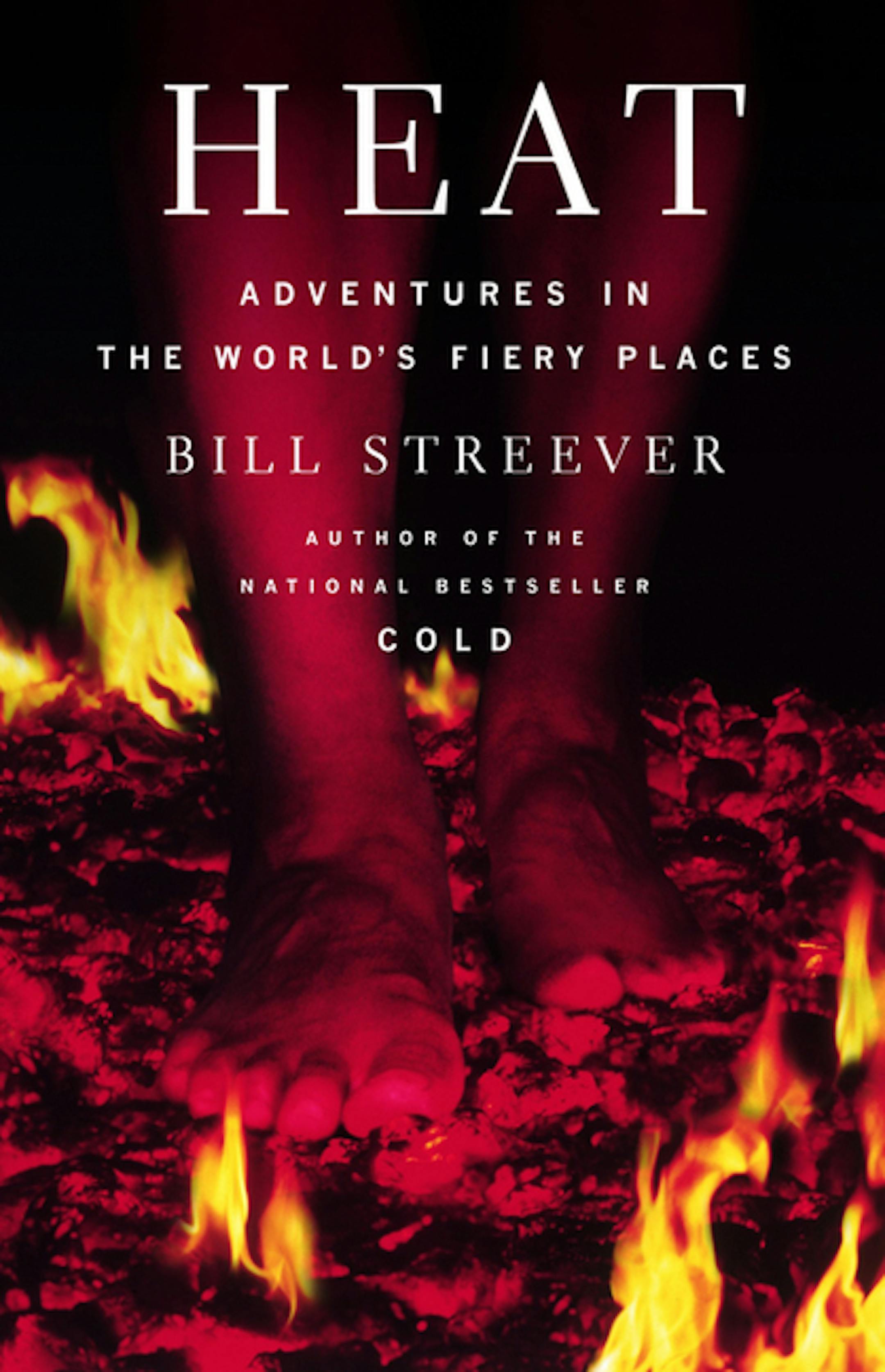
Bill Streever, scientist and author of the polar opposite exploration of climate, "Cold," may be a novice firewalker (he likens crossing a 15-foot bed of coals to padding across "rounded gravel, like popcorn"), but he is an able guide into the flaming regions of our beleaguered environs. "Heat: Adventures in the World's Fiery Places" is a rare nature book, a pleasing mix of first-person narrative and layman science. The facts come fast and furious but are served on a platter of digestible prose.
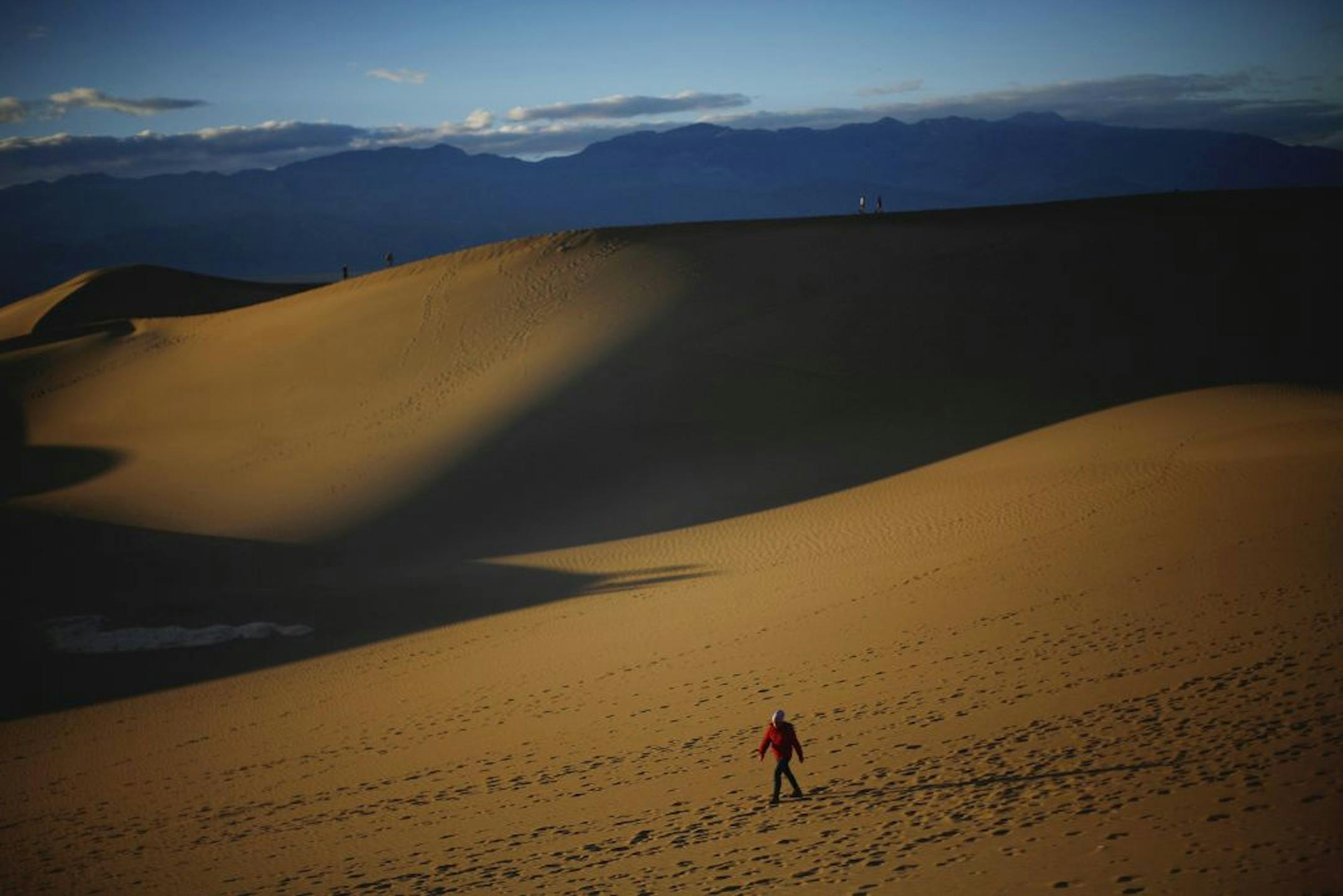
Streever travels extensively, confessing his own contribution to carbon emissions along the way. His destinations include Death Valley, Hawaii's Kilauea volcano, California's dry chaparral tinder country, and Pennsylvania, site of the world's first oil well and where, because oil was once ballyhooed as a medicinal curative, Streever swallows a spoonful of crude.
As with the coming increase in the sun's warmth, there are some events we cannot control. But there are far too many instances in which we have caused irrevocable changes in temperature, and, as Streever witnesses, the planet is scarred forever with those attempts to use heat -- in the form of napalm, firebombing and nuclear bombs -- as weapons of mass destruction.
Streever writes, "On July 6, 1962, the government chose to test a thermonuclear bomb -- a hydrogen bomb -- in a shaft 636 feet deep. Sedan, exploding, generated temperatures around twenty million degrees. In contrast, the surface of the sun, at a mere ten thousand degrees, would seem air conditioned."
Radioactive soil from that test site was later shipped and spread above ground in Alaska's Ogotoruk Valley, near the village of Point Hope. Streever later visits the isolated town and recounts that an even bigger bomb and subsequent higher temperatures were planned there in the 1960s, courtesy of Edward Teller's "Project Chariot." Heat generated from that explosion would have increased the temperature of the tundra from "around freezing to something like twenty million degrees."
Because of the protests of local Native American residents, Project Chariot was shelved in 1962. Yet, three years later our government tested three hydrogen bombs in the Aleutian Islands. Streever writes, "Temperatures hotter than the surface of the sun itself momentarily flared up deep under the surface of the windswept Alaskan island known as Amchitka."
Stephen J. Lyons' latest book is "The 1,000-Year Flood: Destruction, Loss, Rescue, and Redemption Along the Mississippi River." He is currently at work on a book about the Driftless Area of the Upper Midwest.