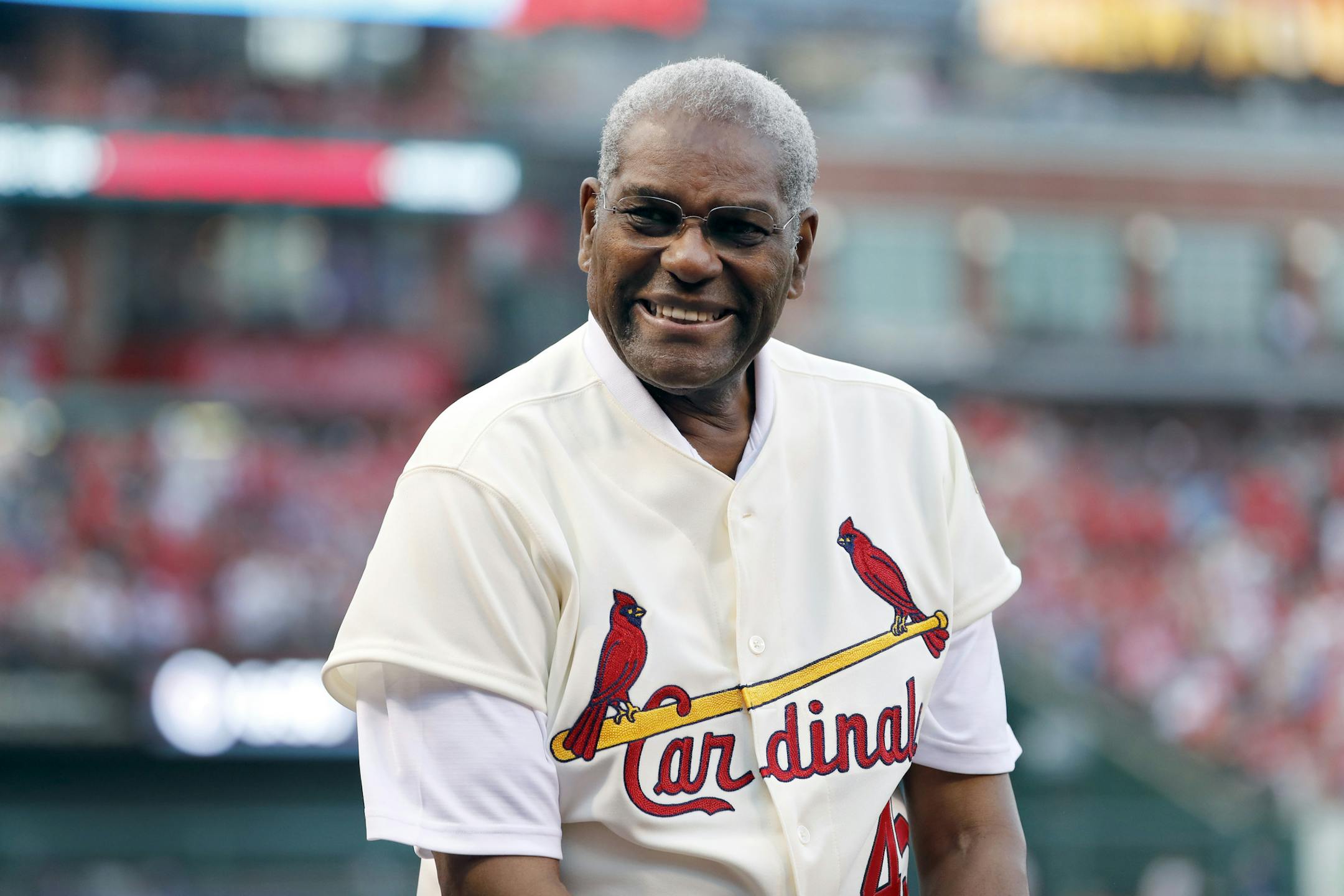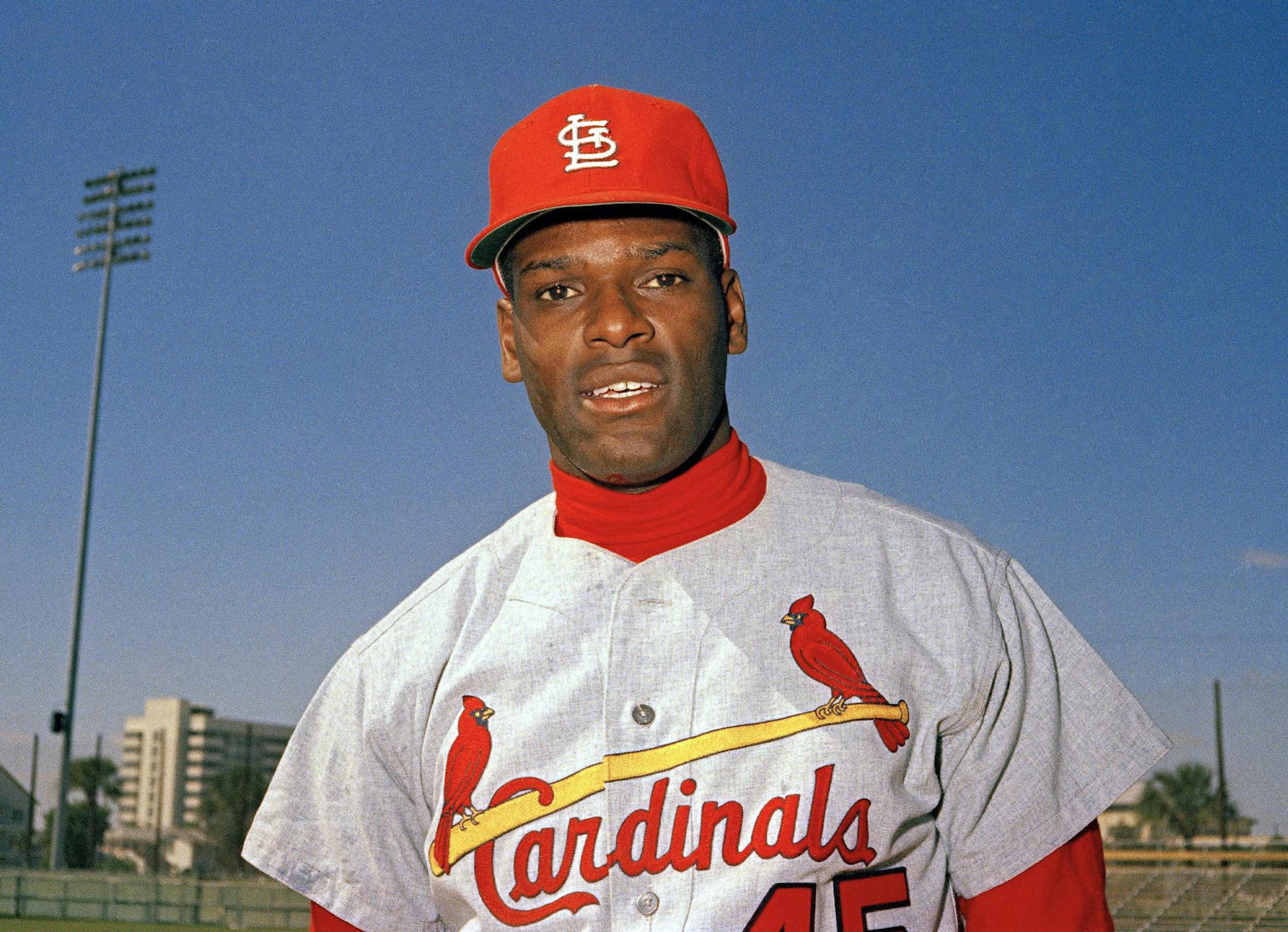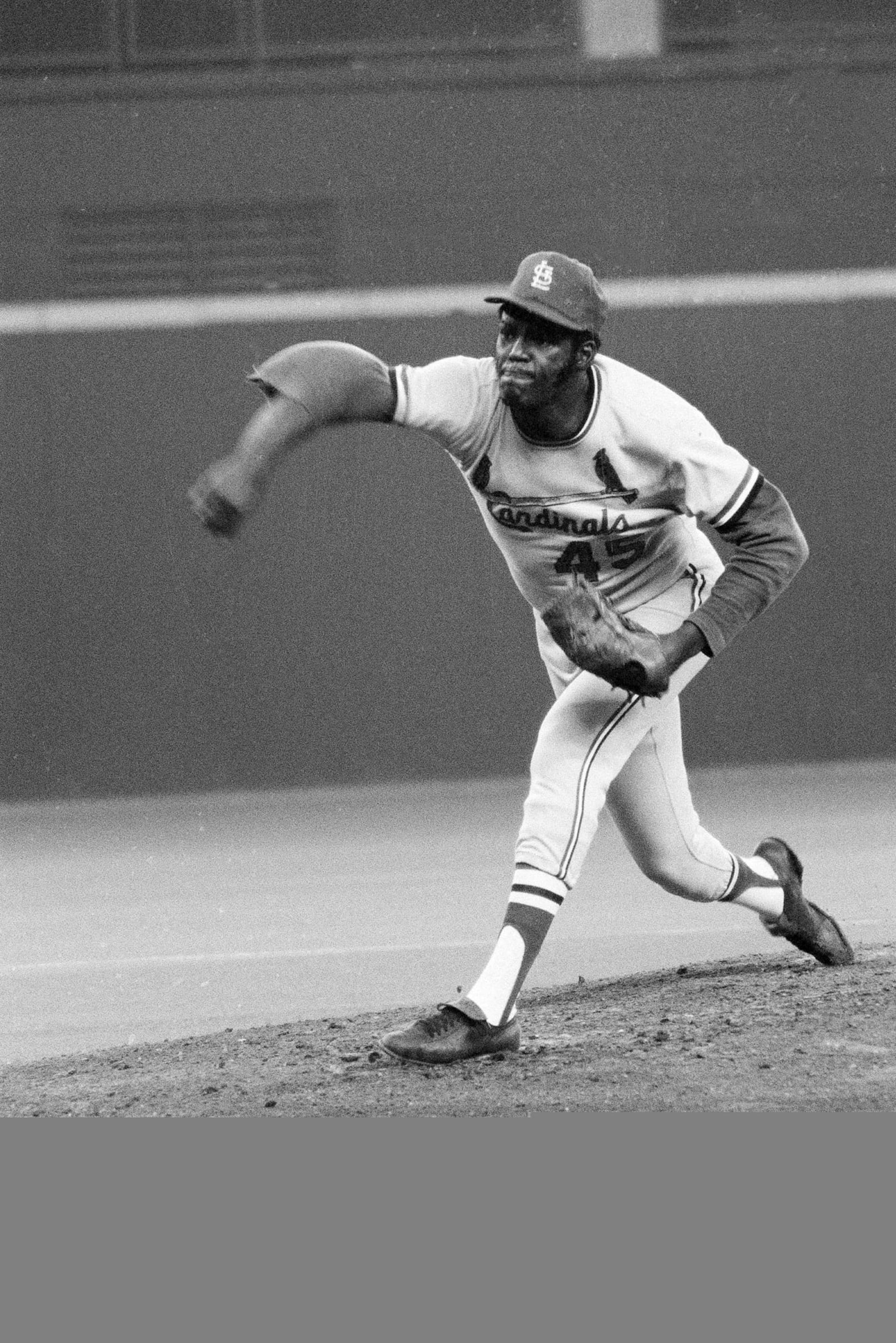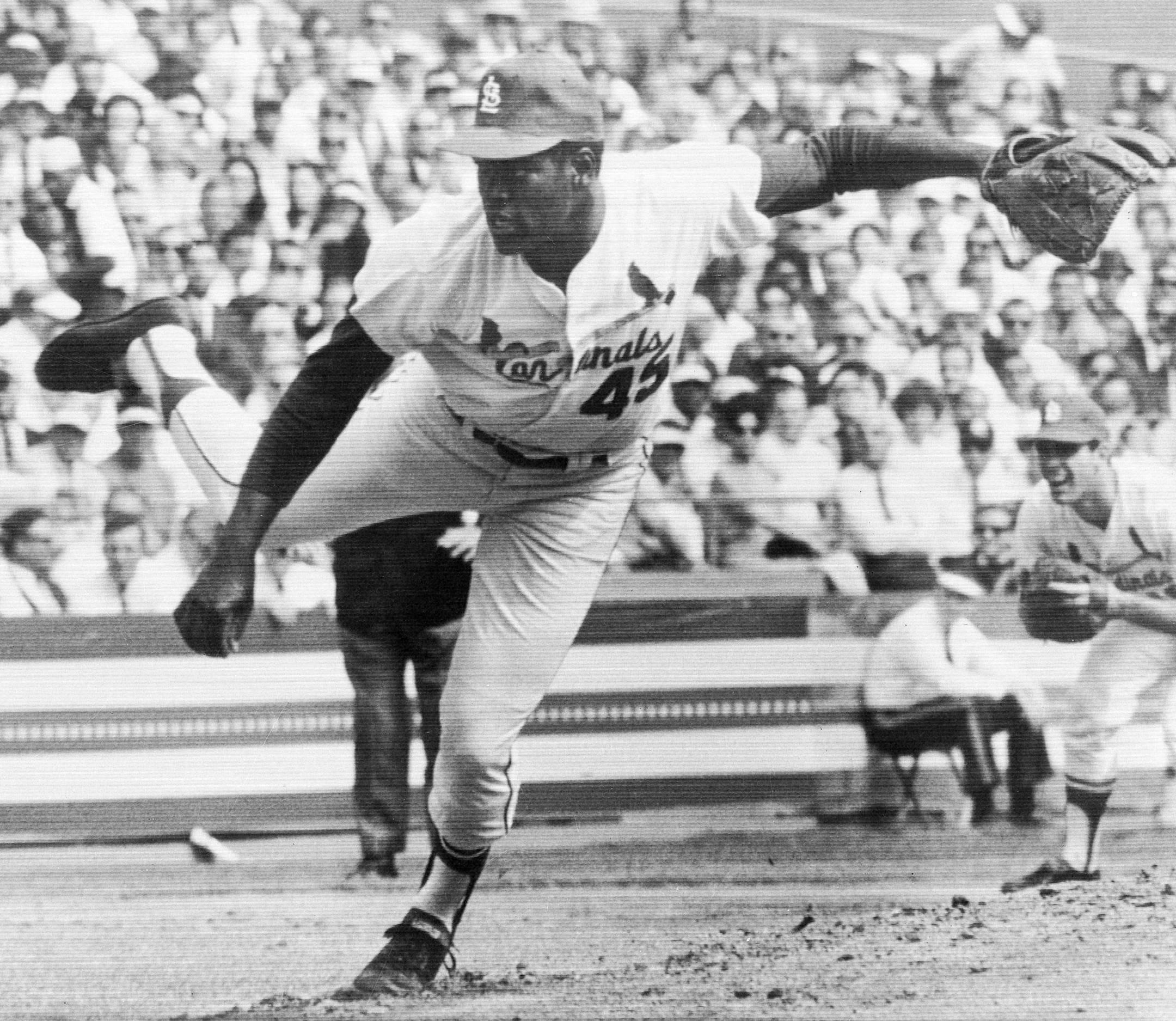
Hall of Famer Bob Gibson, the dominating St. Louis Cardinals pitcher who won a record seven consecutive World Series starts and set a modern standard for excellence when he finished the 1968 season with a 1.12 ERA, died Friday. He was 84.
The Cardinals confirmed Gibson's death shortly after losing to San Diego 4-0 in the NL playoffs. Gibson had long been ill with pancreatic cancer in his hometown of Omaha.
"It's kind of hard losing a legend," Yadier Molina said after the end of his 17th season catching for the Cardinals. "You can lose a game, but when you lose a guy like Bob Gibson, just hard. Bob was funny, smart, he brought a lot of energy. When he talked, you listened. It was good to have him around every year. We lose a game, we lose a series, but the tough thing is we lost one great man."
At his peak, Gibson — one of baseball's most uncompromising competitors — might have been the most talented all-around starter in history, a nine-time Gold Glove winner who roamed wide to snatch up grounders despite a fierce, sweeping delivery that drove him to the first base side of the mound; and a strong hitter who twice hit five home runs in a single season and batted .303 in 1970, when he also won his second Cy Young Award.
Gibson spent his entire 17-year career with St. Louis and was named the World Series MVP in their 1964 and '67 championship seasons. The Cardinals came up short in 1968, losing in seven games to the Detroit Tigers, but Gibson was voted NL MVP and shut down opponents so well that baseball changed the rules for fear it would happen again. That season, he won 22 games, struck out 268 batters, pitched 13 shutouts and posted an ERA of 1.12.
The following year, Major League Baseball lowered the pitchers' mounds to give batters a break, but Gibson won 20 games and struck out 269.
Gibson's death came on the 52nd anniversary of perhaps his most overpowering performance, when he struck out a World Series record 17 batters in Game 1 of the 1968 World Series against Detroit.
He won at least 20 games five times and struck out 3,117 batters, the second pitcher to reach 3,000 strikeouts. He threw 56 career shutouts and captured a second Cy Young Award in 1970. He was an eight-time All-Star, won a Gold Glove award for fielding nine times and pitched a no-hitter against the Pittsburgh Pirates in 1971. He finished his career 251-174 with a 2.91 ERA and was voted into the Baseball Hall of Fame in 1981, his first year of eligibility.