4:47
4:47When Devin Setoguchi was asked Monday about the solidarity among the NHL's locked-out players, he cast a glance behind him. "You can tell even from the skates out here," the Wild winger said, as about 40 players scrimmaged on a rink at the St. Louis Park Rec Center. "We've got guys from 10 or 12 different teams. It's the same thing with the union. Everyone's in it together."
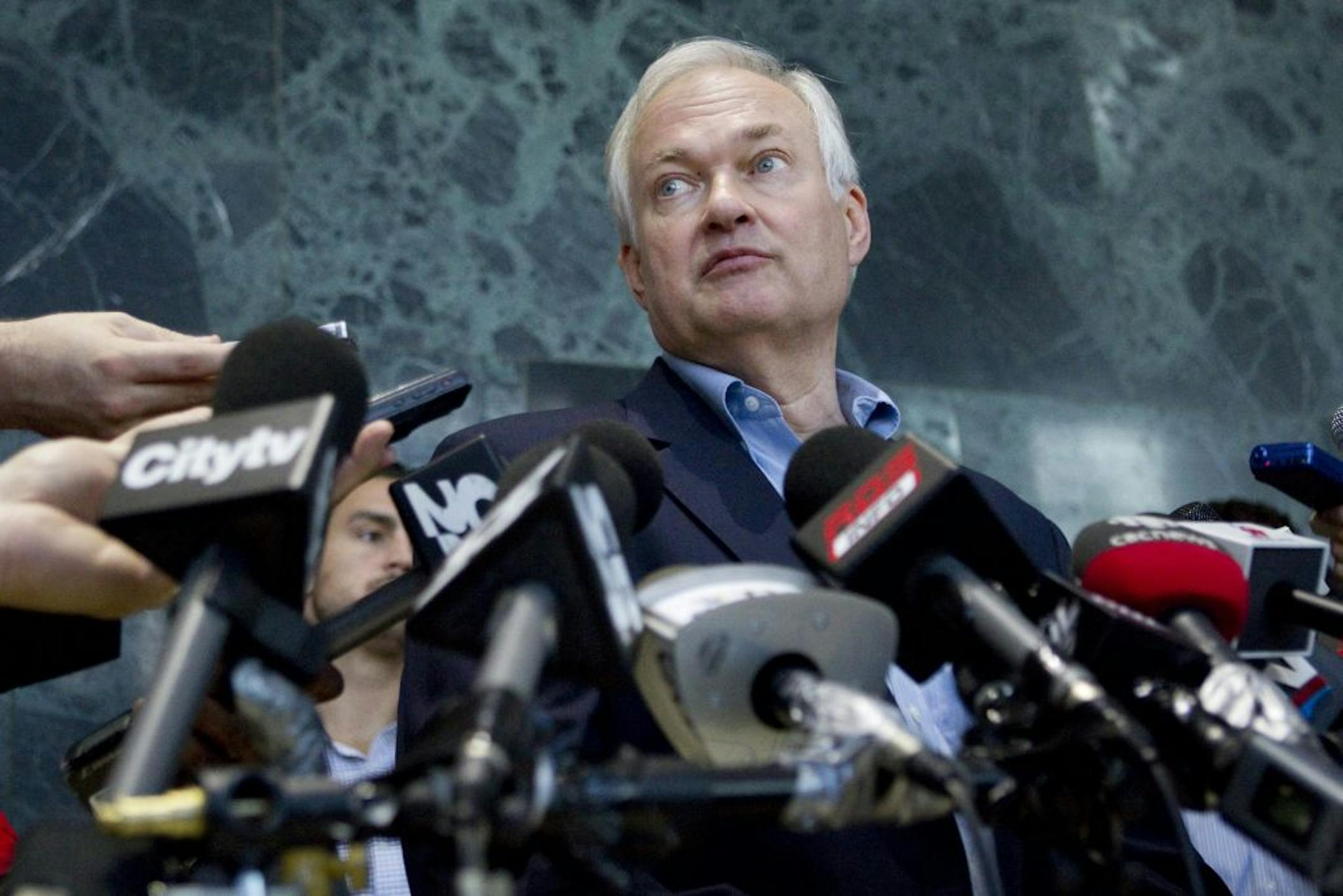
That's due largely to the leadership of Donald Fehr, executive director of the NHL Players' Association. And it's the biggest reason why Setoguchi and his brethren could be skating at rec centers through Thanksgiving, Christmas and Groundhog Day. The NHLPA finally has an experienced, brilliant and fearless negotiator at its helm, one who understands both his constituents and his adversary. That's good news for the players and potentially very bad news for those who just want the puck to drop.
On Day 2 of the lockout, several Wild players practiced with fellow NHLers who make their offseason homes in Minnesota. From Setoguchi to Paul Martin to Mikko Koivu, they expressed the same sentiment, often in the same words.
They want to play. They also want a fair contract, and they feel confident in Fehr's ability to secure one. That unity, cultivated by Fehr's openness and clarity of purpose, gives the players a far stronger hand than they've had in past labor negotiations. They believe patience will pay off, which means the rest of us should be prepared to be patient, too.
"[Fehr has] been there before, and he knows what he's doing," said Martin, a former Gophers defenseman who plays for Pittsburgh. "And we all know where we stand. The last time [during the 2004-05 lockout], there were a lot of different opinions. We weren't all on the same page.
"One of the main points he made to us was that if we were going to go through with this, we had to be prepared to be locked out, with the worst-case scenario that we would miss a whole season if that's what it takes to get a fair deal. This time, we're a lot more unified."
The players deserve the services of a pro like Fehr, if only because of the wretched history of their union. The first executive director of the NHLPA, Alan Eagleson, served prison time for fraud and embezzlement. His successor, Bob Goodenow, promised to never accept a salary cap; when the players' resolve fractured during the season-long lockout of 2004-05, the owners got their cap, and Goodenow lost his job.
Three others briefly kept the seat warm for Fehr, who was hired in December 2010. In him, the NHLPA got both an impressive résumé and a leadership style that promoted the unity essential to contract talks.