

Photos of blackened tree stumps and smoky skies show a Boundary Waters Canoe Area Wilderness that seems to be no place for birds. But birds will brighten the charred landscape of the Pagami Creek fire site come spring, and some birds have already moved to burned areas.
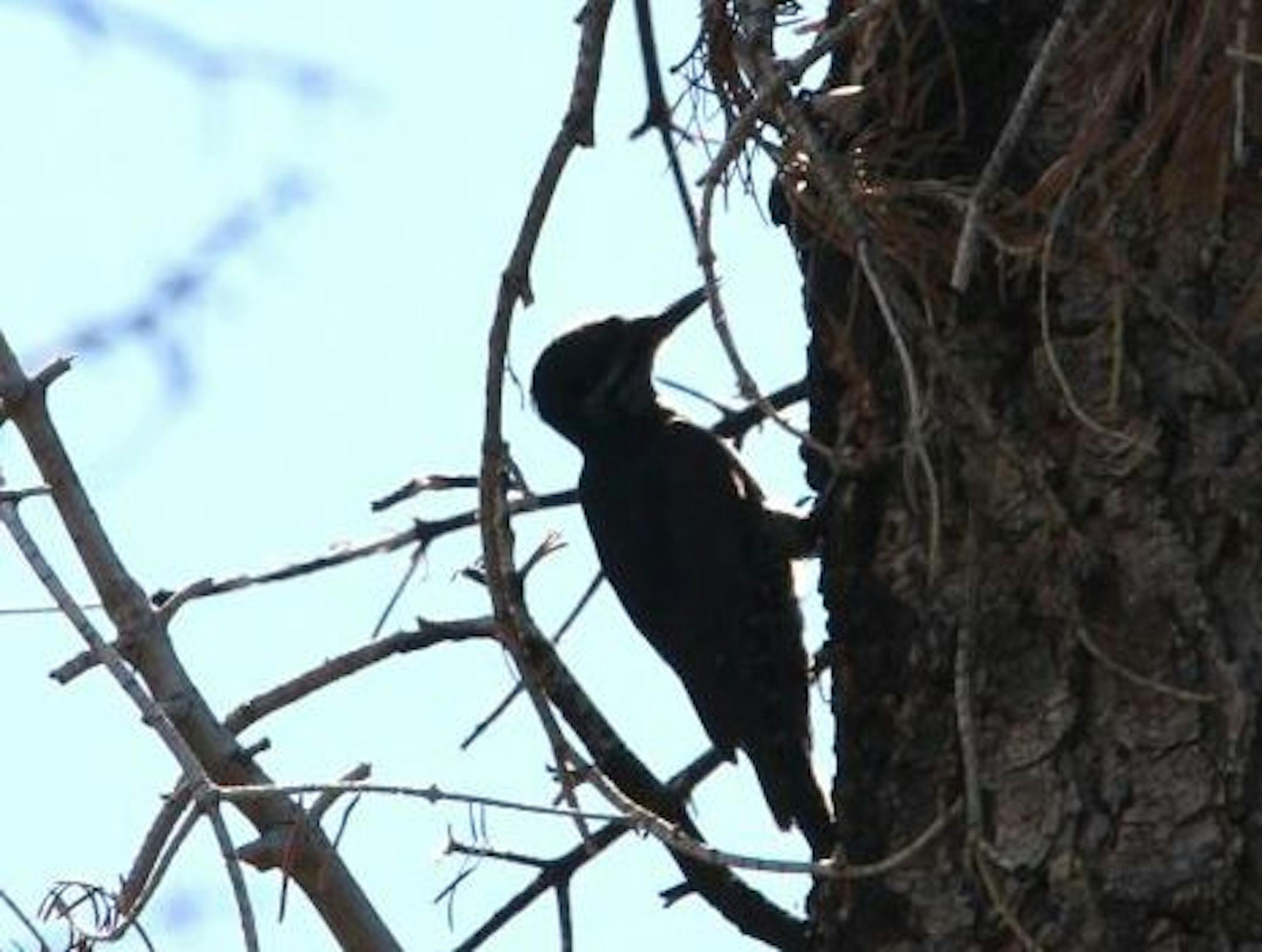
The first arrivals flew in before the smoky haze drifted out. Those would be woodpeckers, one species in particular -- black-backed. They come to eat the insects that followed the scent of smoke to burned trees.
And species uncommon to the area will appear in April and May. They'll come because the changed habitat meets their needs.
I talked about this with Gerald Niemi, an ornithologist who works at the Natural Resources Research Institute in Duluth.
"Eastern bluebirds will show up quickly," he said. "We'll see them in the spring. They're unusual up there. House wrens also will respond quickly. They'll be very common in the burned areas for many years."
Bob Russell, bird biologist with the U.S. Fish and Wildlife Service in St. Paul, told me that common yellowthroats are likely to be a dominant species for a few years, along with song sparrows. Both species like the brushy habitat that new growth produces.
"Wilson's warblers will prosper in the alder and aspen regrowth," he said. He thinks it will be a couple of years before ruffed grouse return, and perhaps five years before spruce grouse are seen again.
"Snag nesters like kestrels, flickers, bluebirds and tree swallows will do well," Russell said. "Flickers will love the open country and the snags the fire has created."


