

We know where they are, those millions of migratory birds that live among us each spring and summer, and we know what they're doing.
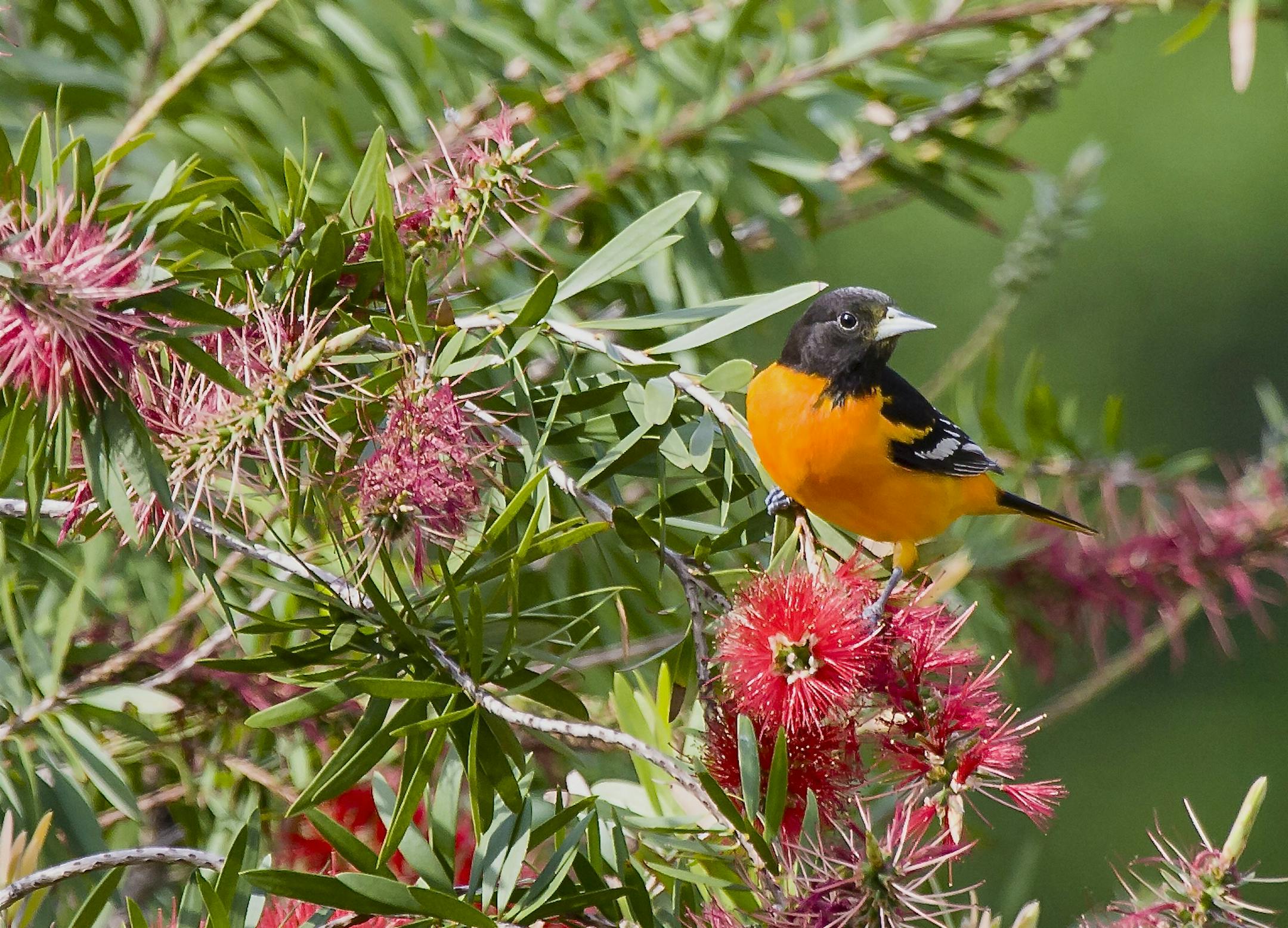
Bright orange Baltimore orioles spend the winter scattered throughout Central America and northern South America, feasting on fruits, berries and tropical insects. They were already on their way northward in late February.
Over the winter they rubbed shoulders with stunning rose-breasted grosbeaks that winter in the same areas but consume a more varied diet that includes seeds and nuts. Grosbeaks aren't in as much of a hurry to start out, however, and might linger in the tropics until April.
Ruby-throated hummingbirds are lapping up nectar in Belize and Costa Rica and those handsome black-throated green warblers will soon be leaving Mexico and the West Indies, heading our way.
Not all migratory birds spend the winter in Central or South America but those that do have enjoyed months of warm, very humid weather. They shared the rain forest and other habitats with brightly colored resident birds, huge butterflies and leaf-cutting ants. With plenty of fruit, seeds and insects to eat in their tropical paradises, the question arises: Why don't they stay in those habitats? Why fly thousands of hazardous miles to breed and raise their young?
Not so lush
One of the most surprising things about Central and South America is that for all the apparent lushness, the region is not one huge rain forest cafe. Yes, fruit and berries seem abundant and to anyone who has visited there, insect life seems rife. But the tropics undergo periods of scarcity, especially during the dry season, and available food is widely dispersed in all seasons. So birds that live there year-round need a large feeding territory to be sure of having enough food for themselves and their broods.
As Steve Hilty notes in his "Birds of Tropical America," local rain forest birds tend to hold a territory for life, so it must be large enough to ensure enough food over their lifetime. And, he notes, the rain forest is "teeming with diversity but not necessarily with great numbers of individuals."
Migratory birds wedge themselves into southern climates for half of each year and since they won't be breeding there, they require less space. They fly northward with the spring in order to find enough food to raise strong nestlings.


