Birding: Songbirds face many deadly threats

Birds tend not to live long lives, surrounded by potential causes of death, from natural to manmade.

April 15, 2014 at 8:24PM
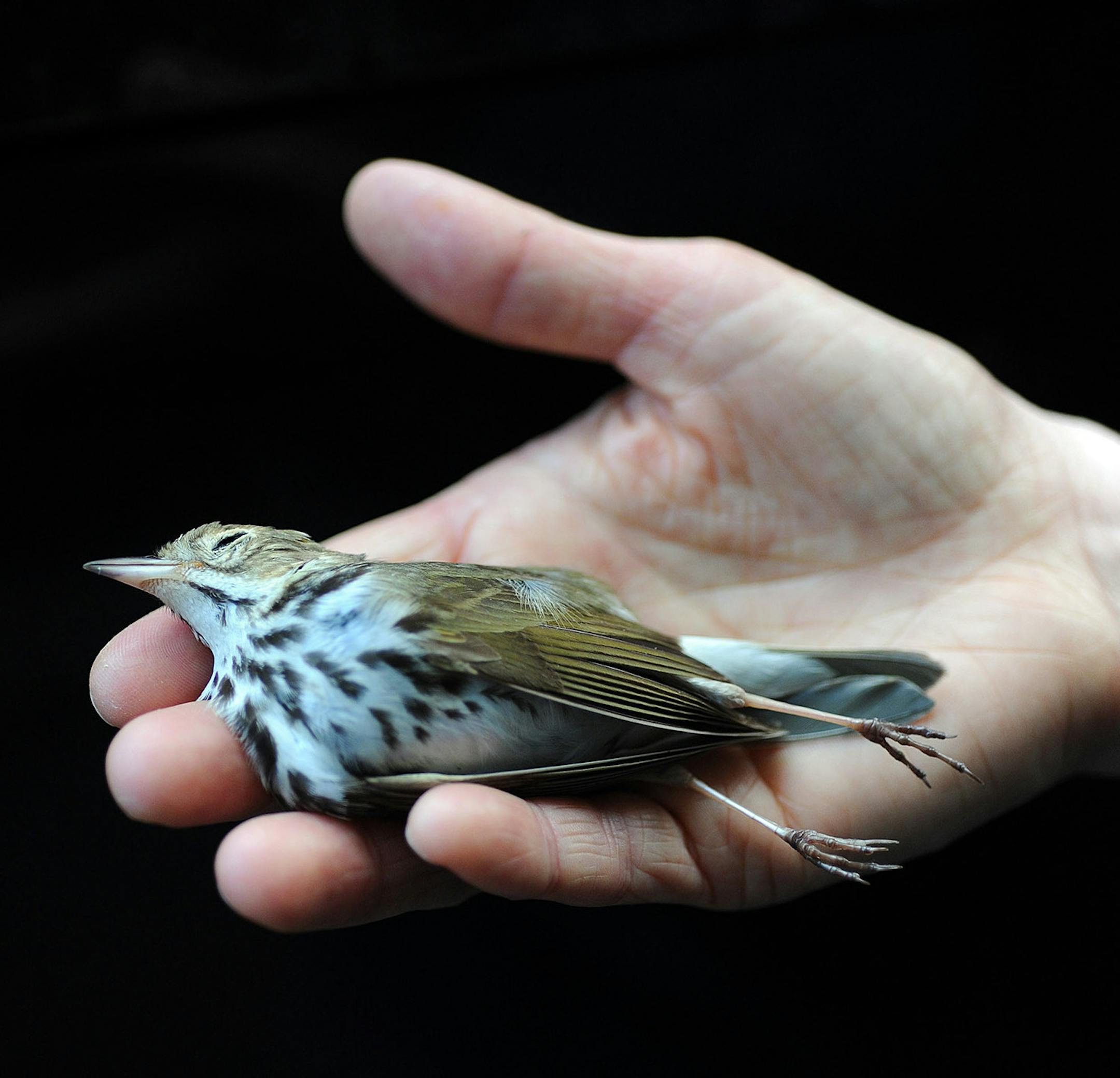
Volunteer Lynne Parks of the group Lights Out Baltimore holds a dead Ovenbird believed to have died when it flew into a Baltimore, Md., building. The small bird migrates thousands of miles from Central America to North America. City buildings kill millions of birds every year, experts say. Illustrates BIRDS (category l), by Karen Houppert, special to The Washington Post. Moved Friday, March 14, 2014. (MUST CREDIT: Photo by Astrid Rieken for The Washington Post)
Volunteer Lynne Parks of the group Lights Out Baltimore holds a dead ovenbird believed to have died when it flew into a Baltimore, Md., building. The small bird migrates thousands of miles from Central America to North America. City buildings kill millions of birds every year, experts say. (The Minnesota Star Tribune)

If a predator doesn't get them, if they avoid collisions with windows and vehicles, what kills songbirds? They are as susceptible as we are to disease. Is there a parallel between diseases of humans and those of birds?

Mostly, no. There are exceptions. There also is a lack of information.

"There's a fundamental gap in our knowledge base about what really happens to wildlife in the natural world," said Dr. Julia Ponder, executive director of the Gabbert Raptor Center at the University of Minnesota.

"We don't know as much about wildlife as we think we do," she said.

We do know about predation and trauma — cats and foxes and flying into window glass. And, Ponder said in an interview, we can be fairly certain that songbirds become ill, or feel a bit under the weather, as we do.

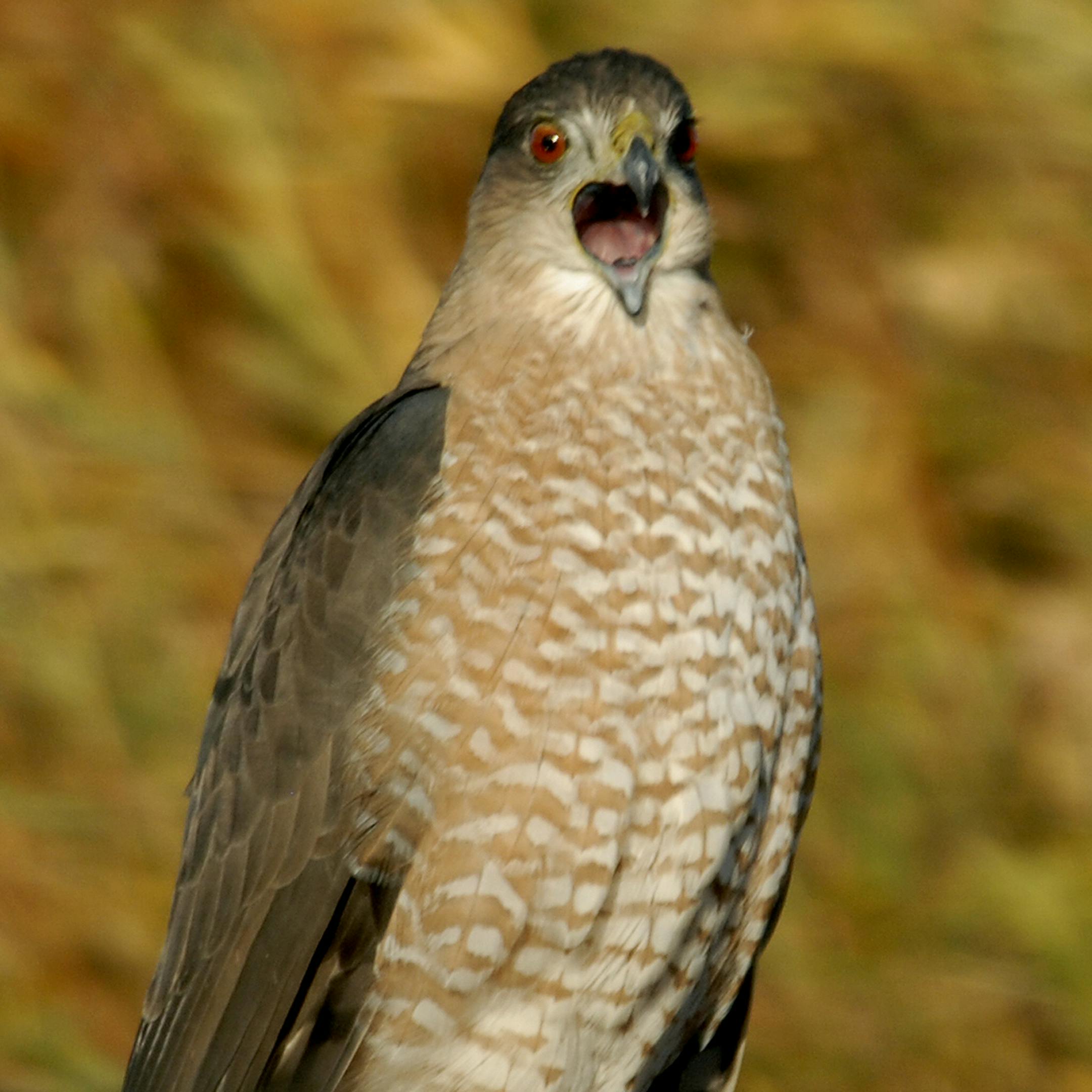
"The day you — the bird — don't feel well, the immediate cause of death is the Cooper's hawk that got you because you weren't quite up to par," she said.

That, by the way, is one of the jobs predators have: to remove the weak and the sick from the population.

Captive lifestyle

"People acquire lifestyle diseases," said Ponder. We fail to exercise, we eat poorly, we don't take good care of ourselves. As we age that catches up with us.
Speculation is that wild birds don't live long enough for lifestyle diseases to matter, said Ponder. (Plus, their instincts when it comes to healthy living are better than ours.)

Domestic animals or captive birds are another matter.

If you keep wild birds in captivity long enough, diseases familiar to us can occur. The Eastern screech owl used as an education bird at the center recently died of cancer. It is believed to have been about 15 years old. That would be an unexpected age for a wild bird.

"It had a squamous cell carcinoma in its mouth," Ponder said. "We don't know the underlying cause."

Some time ago a bald eagle at the Raptor Center received radiation treatment for cancer. It survived. Such treatment is rare, however.

Captive birds can live long enough to acquire other familiar diseases, like arthritis. When these situations make life difficult, the birds are euthanized.

Known diseases

Waterfowl diseases are better known. There is an entire suite of diseases that kill waterfowl, often in large numbers. Disease and numbers go together because waterfowl are social creatures; they flock. If there is a disease source many birds can be exposed. Being larger, and dying in large numbers makes the disease easier to recognize and identify.

Chickadees don't die by the hundreds as ducks do. Ponder said it's problematic to acquire a representative sample of a songbird population so that a study of disease origins and impacts can be made. One dead chickadee is not a research project.

We do know that songbirds — feeder birds in particular — are susceptible to disease organisms that can grow in dirty feeders. Old, wet seed on feeder trays or the ground beneath, bird droppings mixed in, moldy seed — these are situations to be remedied immediately.

All feeders should be thoroughly cleaned at least twice a year. Empty the feeder, soak and/or wash it in a solution of 10 percent bleach. Allow the feeders to dry completely before use. Keep seed in a dry, tightly closed container.

Aside from disease, birds also face environmental problems — lead, toxic chemicals, the various -cides we spread around our world. In that way, we do share health problems with them.

Lifelong birder Jim Williams can be reached at woodduck38@gmail.com. Join his conversation about birds at www.startribune.com/wingnut.

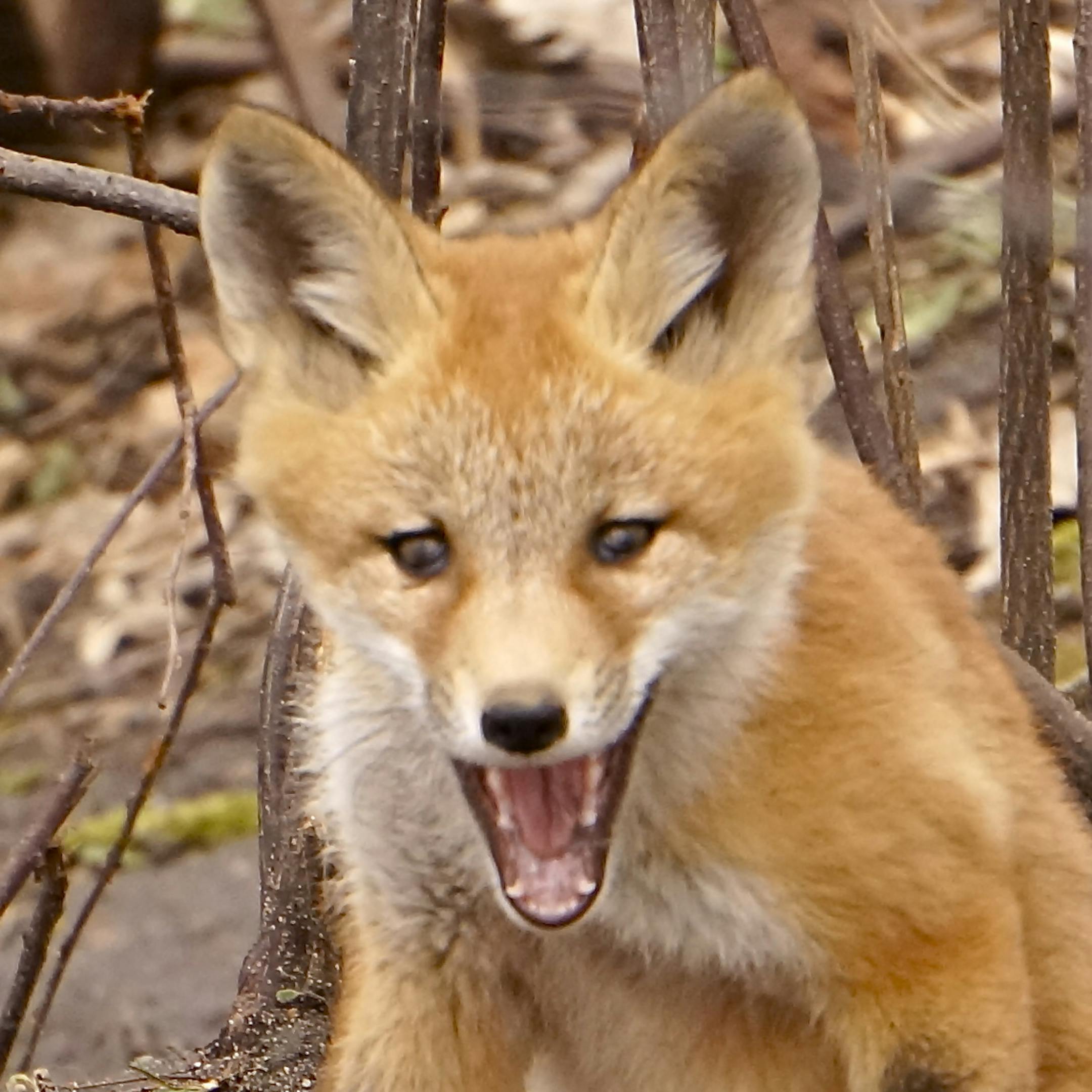
Foxes (The Minnesota Star Tribune)
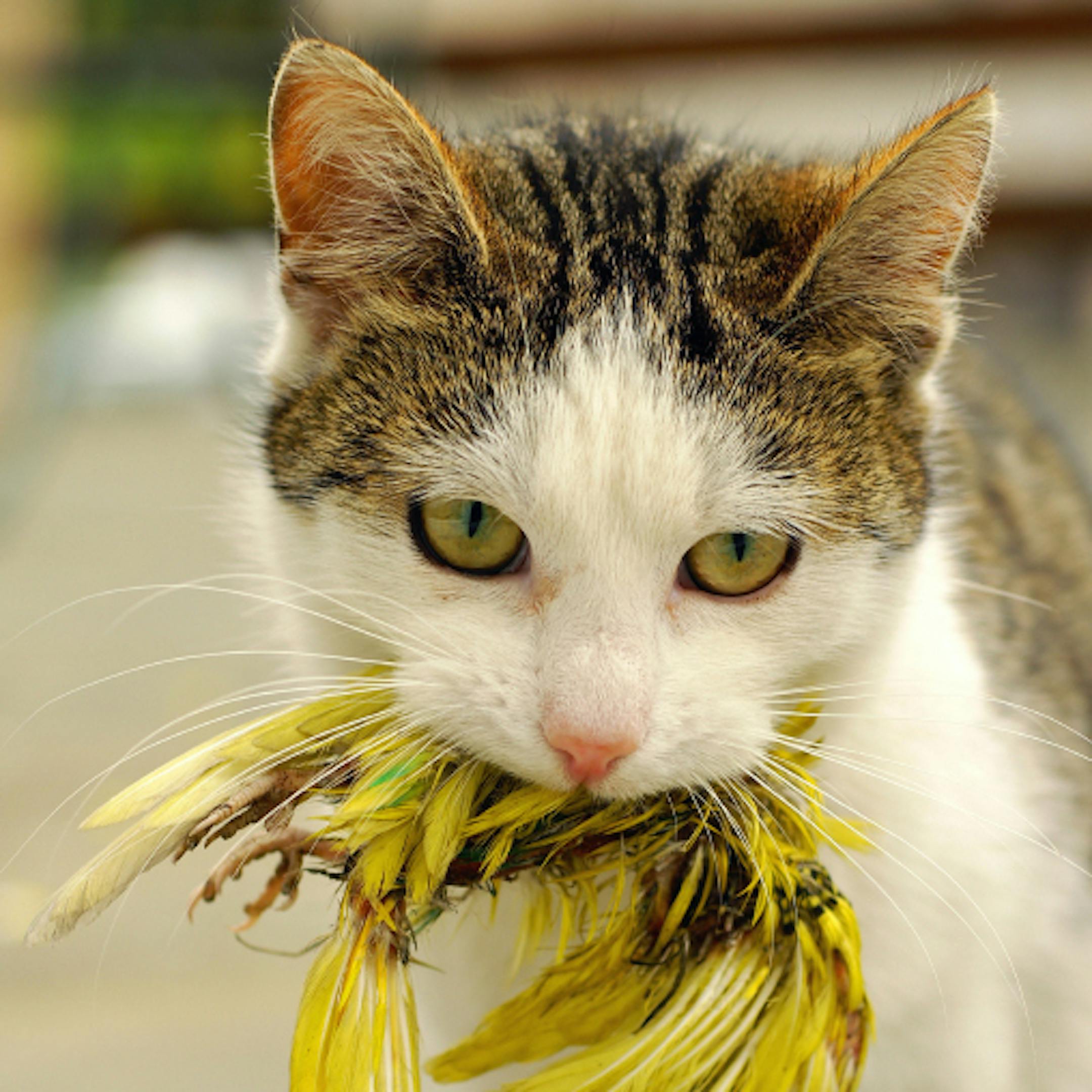
Cat with a bird in its mouth credit: Istockphoto
Cats (The Minnesota Star Tribune)
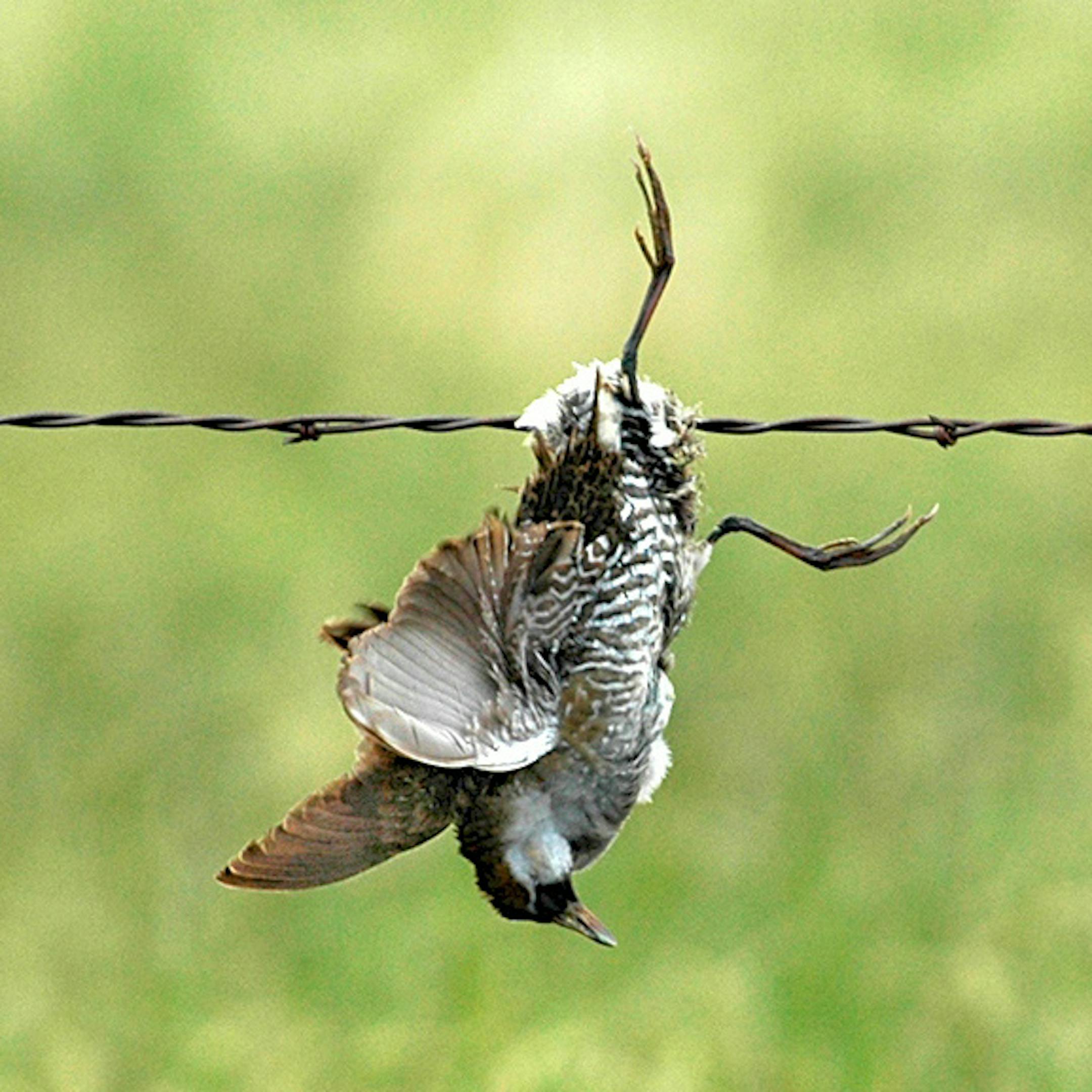
This sora met its death by barbed wire fence. credit: Jim Williams
Barbed wire (The Minnesota Star Tribune)
Cooper's hawk credit: Jim Williams Special to the Star Tribune
Hawks (The Minnesota Star Tribune)
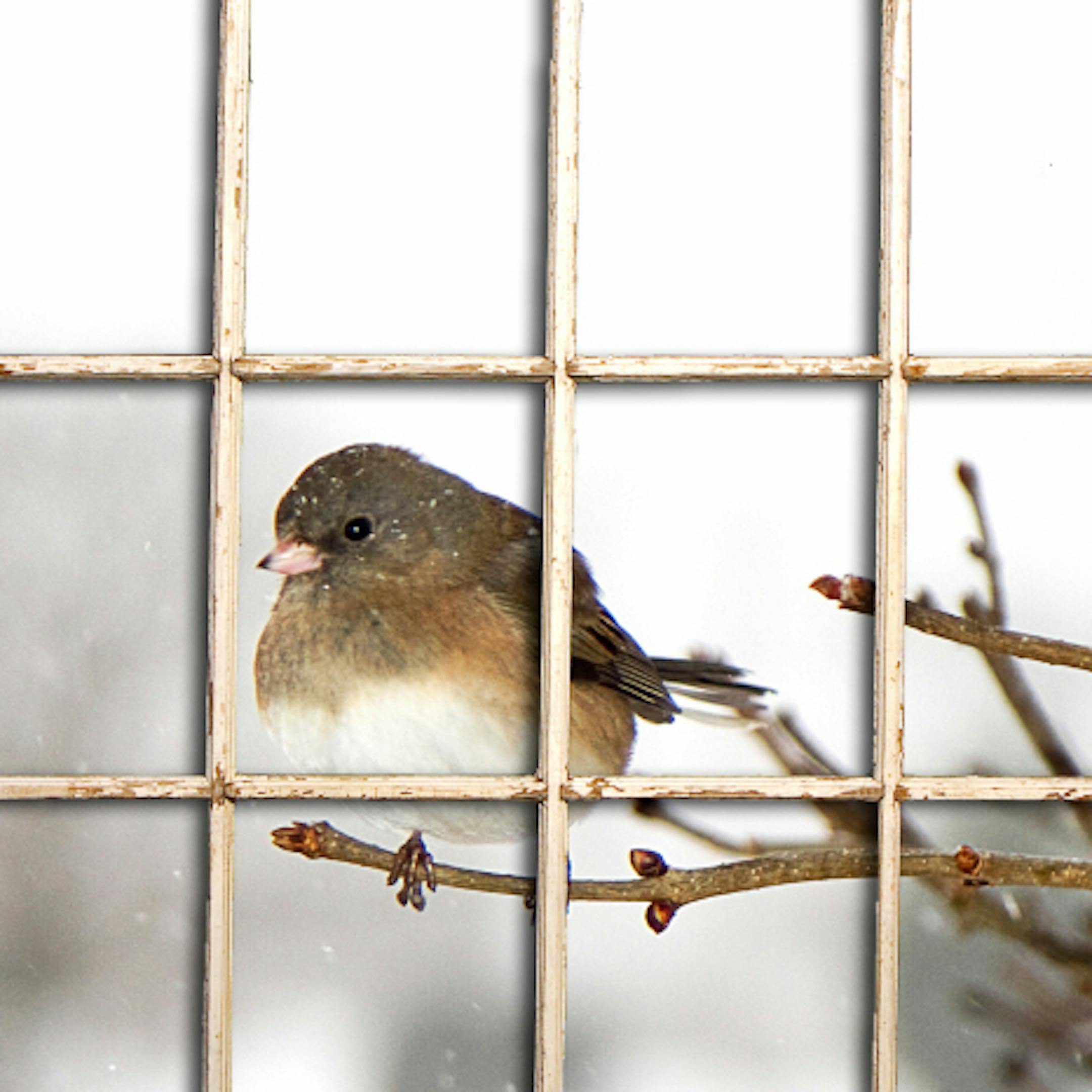
bird behind window Istockphoto.com
Windows (The Minnesota Star Tribune)
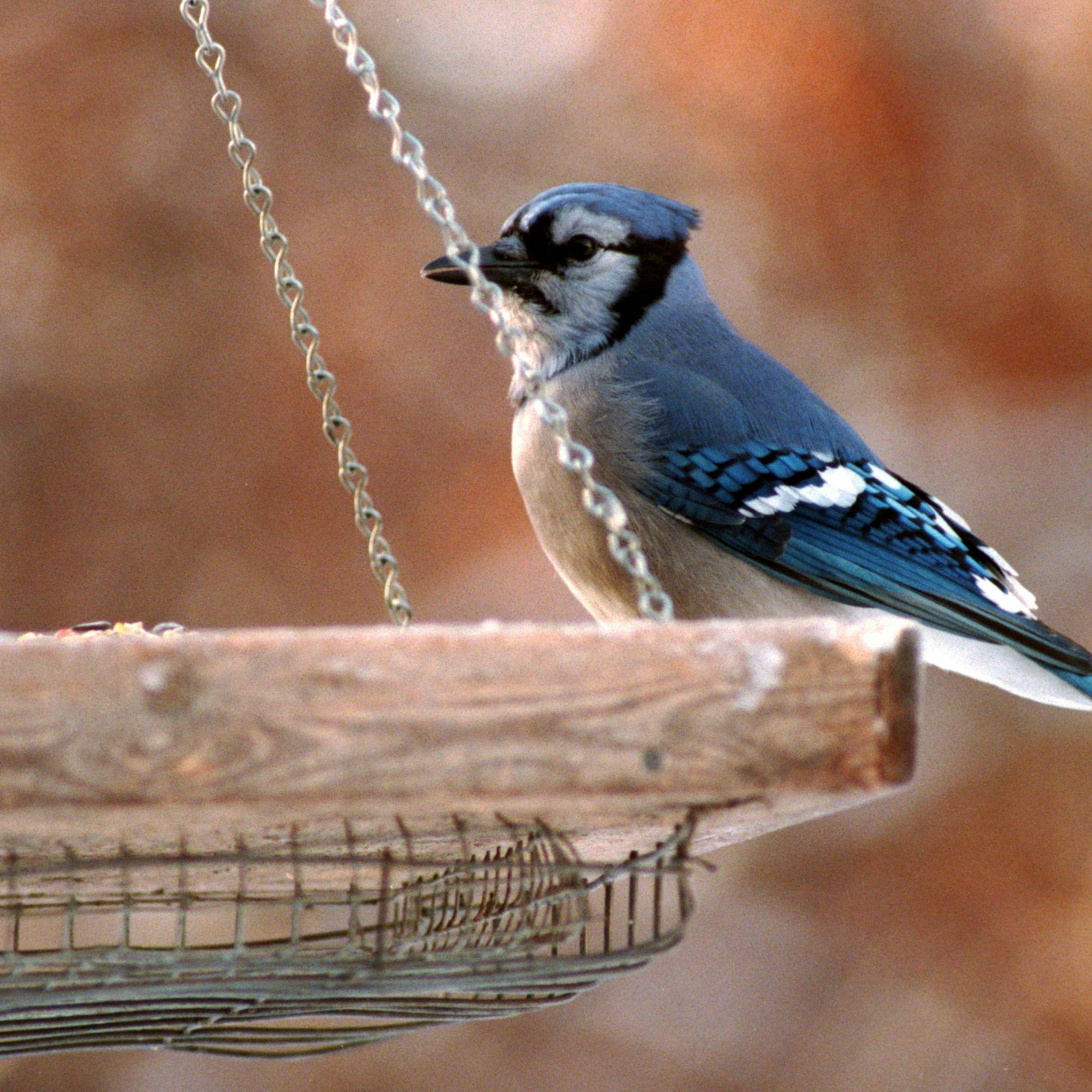
Bird Feeding - H&G - Springbrook Nature Center, Fridley. -- Blue jays are aggressive feeders that will chase other birds from the feeding site.
Soiled seed (The Minnesota Star Tribune)
about the writer

about the writer

JIM WILLIAMS, Star Tribune

More from Minnesota Star Tribune

See More
card image
Provided/Sahan Journal

Family members and a lawyer say they have been blocked from access to the bedside of Bonfilia Sanchez Dominguez, while her husband was detained and shipped to Texas within 24 hours.

card image