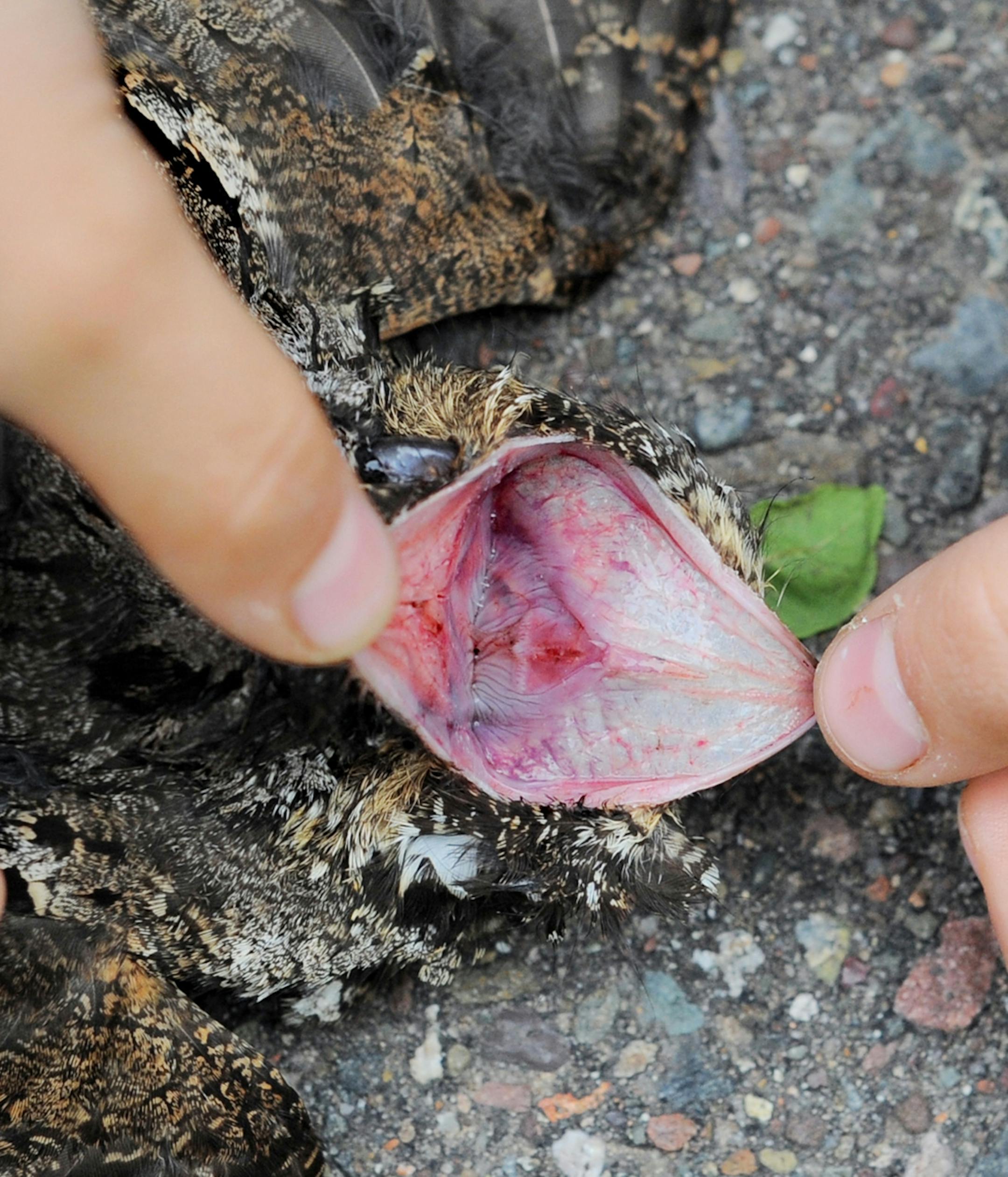
Aristotle wrote about the avian family to which whippoorwills belong, although he got it wrong. Ornithology was in its pre-infancy in ancient Greece, and science and folk tales often were lumped together.
He was questioning shepherds about stories of birds sucking milk from the udders of goats. Not true, as it turned out. But the name goatsucker had legs. Today, the avian family to which whippoorwills belong is called goatsucker.
The birds of the family also are known as nightjars. My rural granny would have raised her eyebrows had she heard that.
That name as it applies to this large, worldwide family of birds is said to come from the sudden, loud — jarring — night calls these birds can make.
Minnesota has one nesting member of this family, the whippoorwill. Like many of its relatives, it says its name, repeatedly, once per second, romantic from a distance, annoying when just outside the cabin window.
Its scientific name is Caprimulgus vociferus. The first part is derived from the Latin word for goat milker. The second accurately refers to its voice.
If whippoorwills are in your woodland neighborhood, they are easy to hear. Their calls mark dusk and dawn, active time for these birds. They are insect hunters, hawking from a perch to grab prey.
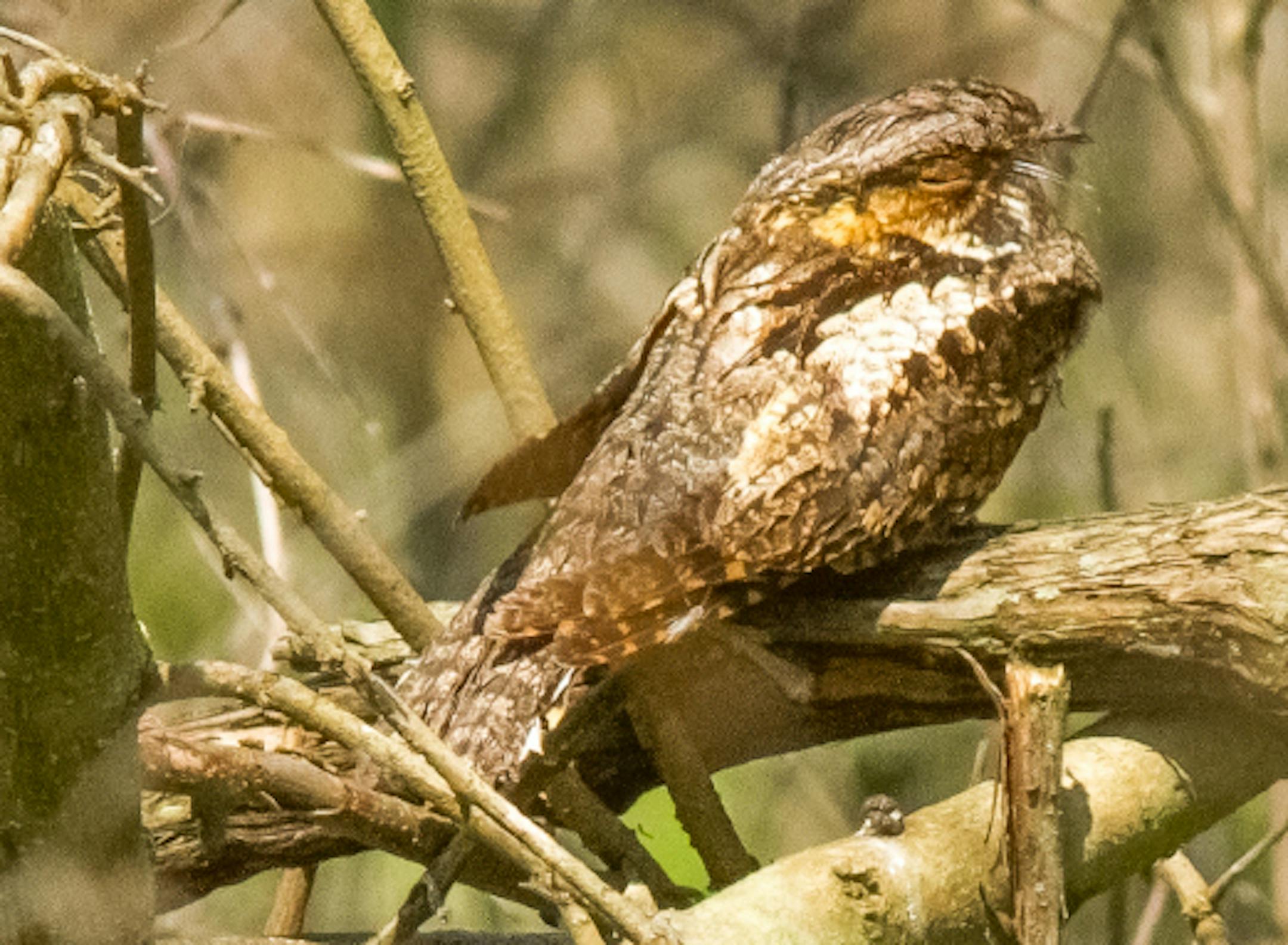
Spotting a whippoorwill
They see well in the dark, the best time for us to see them, too. The birds are cryptically marked, almost invisible on their nest, a scrape on the woodland floor. They roost on the ground or on low branches, no more visible then.