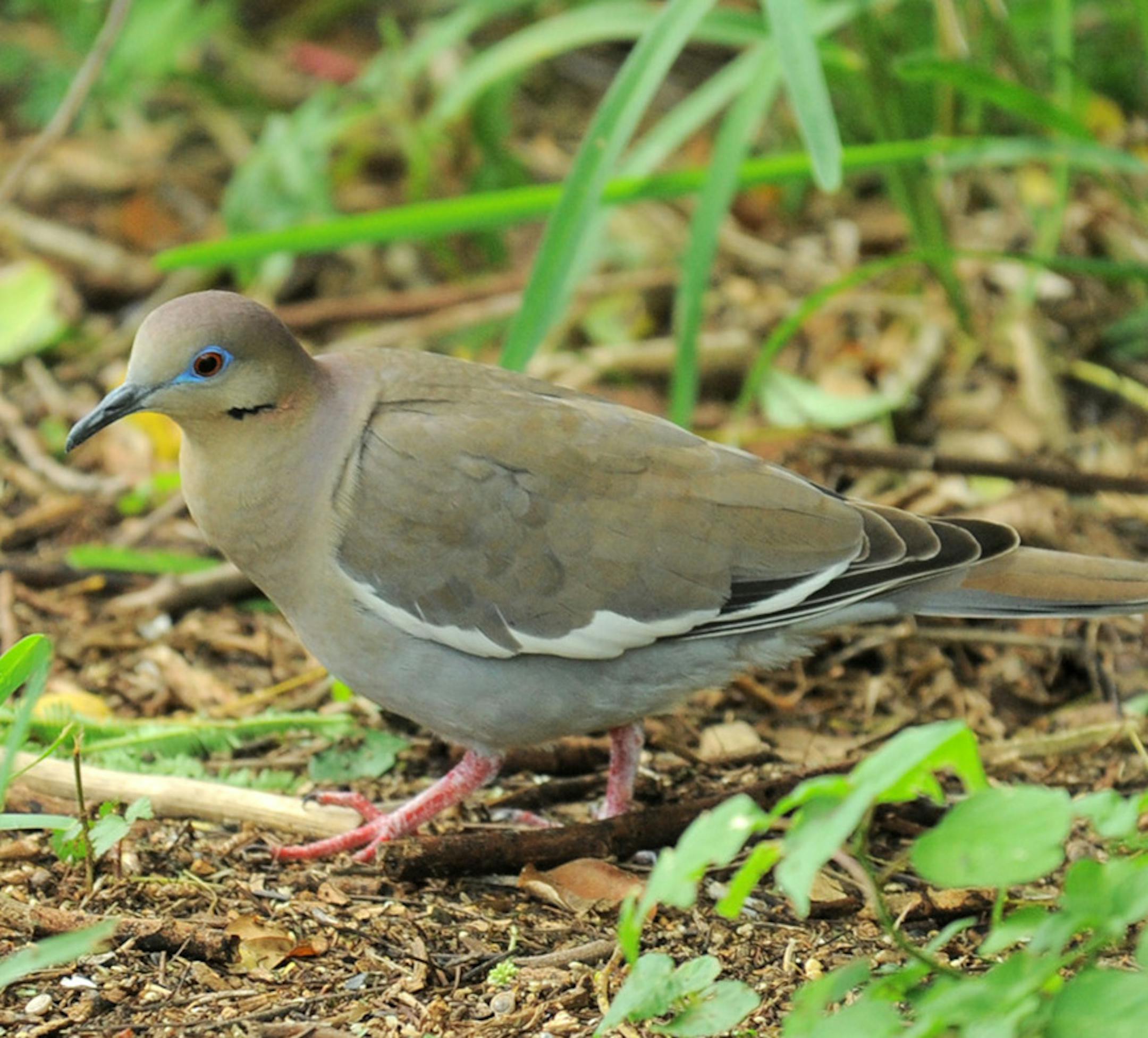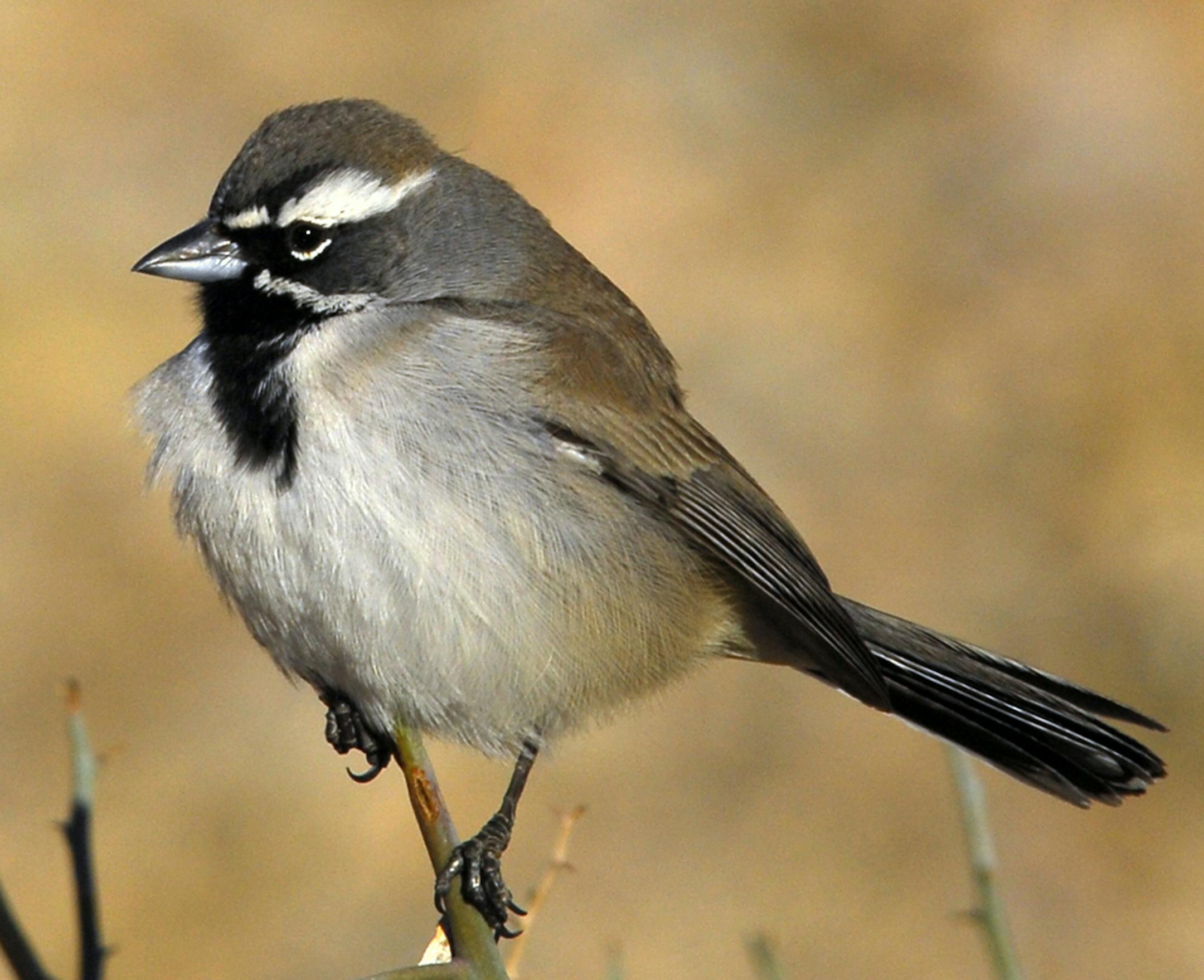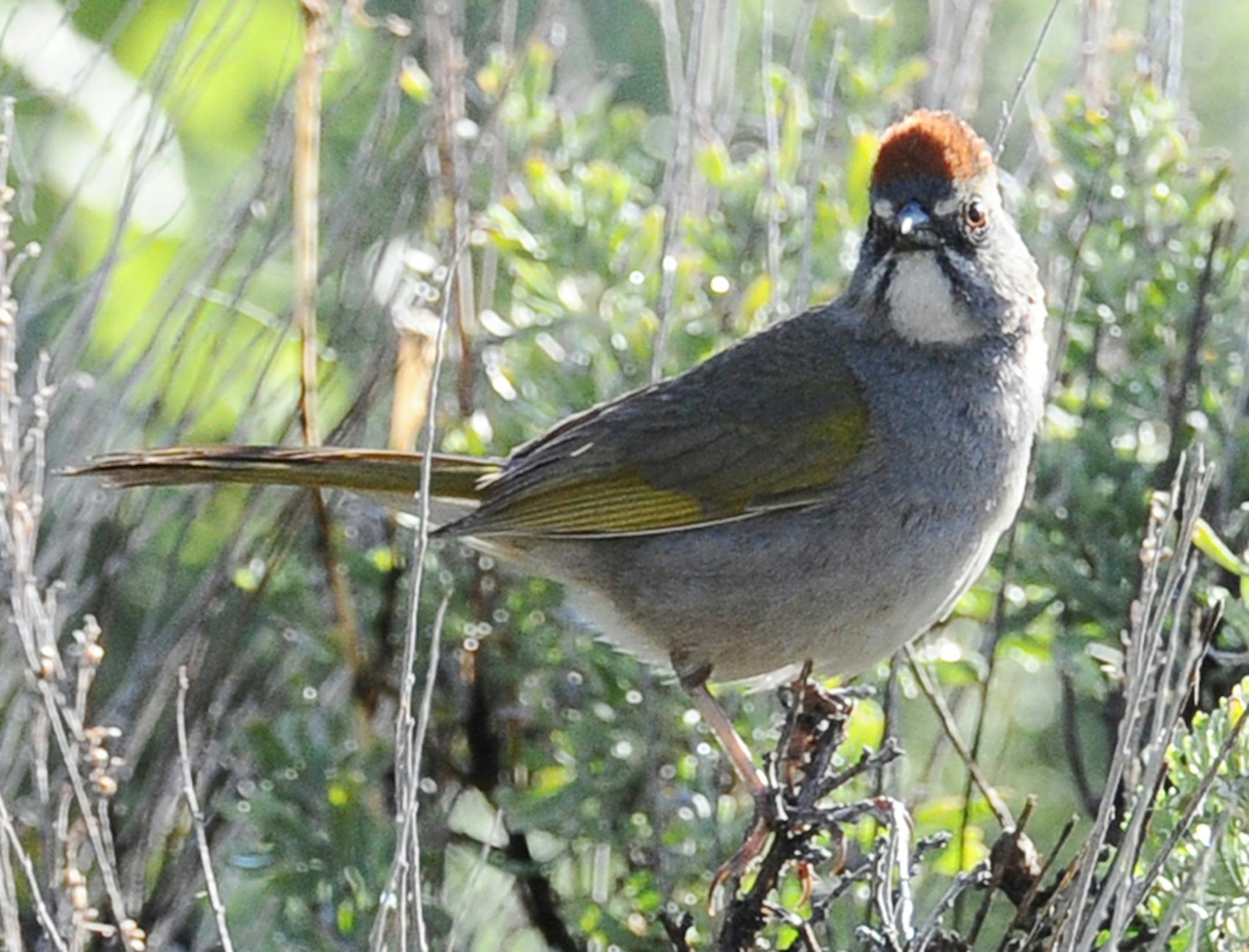
Perhaps you've encountered MAPS — Most Alarming Predicament Syndrome. It affects not just those of us wandering without a GPS — it will derail some migrant birds this spring.
They will fly from wherever to a wrong place. With any luck for ardent local birders, they will fly here. These birds have become wanderers, their navigation systems gone gollywhompus (not an ornithological term).
This actually happens. Something goes haywire in the bird's brain, causing its usually very reliable navigation skill to malfunction. Perhaps its sensitivity to magnetic fields is compromised, like a paper clip stuck to one of the magnets. Maybe it can no longer identify those star formations that offer direction. You can understand that. You learned to find the constellation Cygnus one night while camping with an uncle, and haven't seen it since.
These wanderers are likely to die, and, if male, die disappointed at that. The birds they seek as mates are where they belong. Not here.
But before the end, these geographically impaired birds could bring joy to one or more of our seriously earnest birders. The birds are accidentals, you see, vagrants, casuals, rarities. They are coup marks on a life list, chase-worthy.
The chase is on
Been there, done that. I've left my office (when I had an office, one with an accommodating partner, so good I married her) at literally a moment's notice to drive from Plymouth to Grand Marais. One year I did it three times in three weeks. (What a fine woman.)
I'll bet you don't do that. It's possible that some birds you've seen many times still look casual to you, rare even. That just makes it more fun, right? Always something new.
I've come to believe that the pleasure received when seeing a particular species for the first time is worth repeating. It's not the bird that's important here. It's how you feel about the bird.