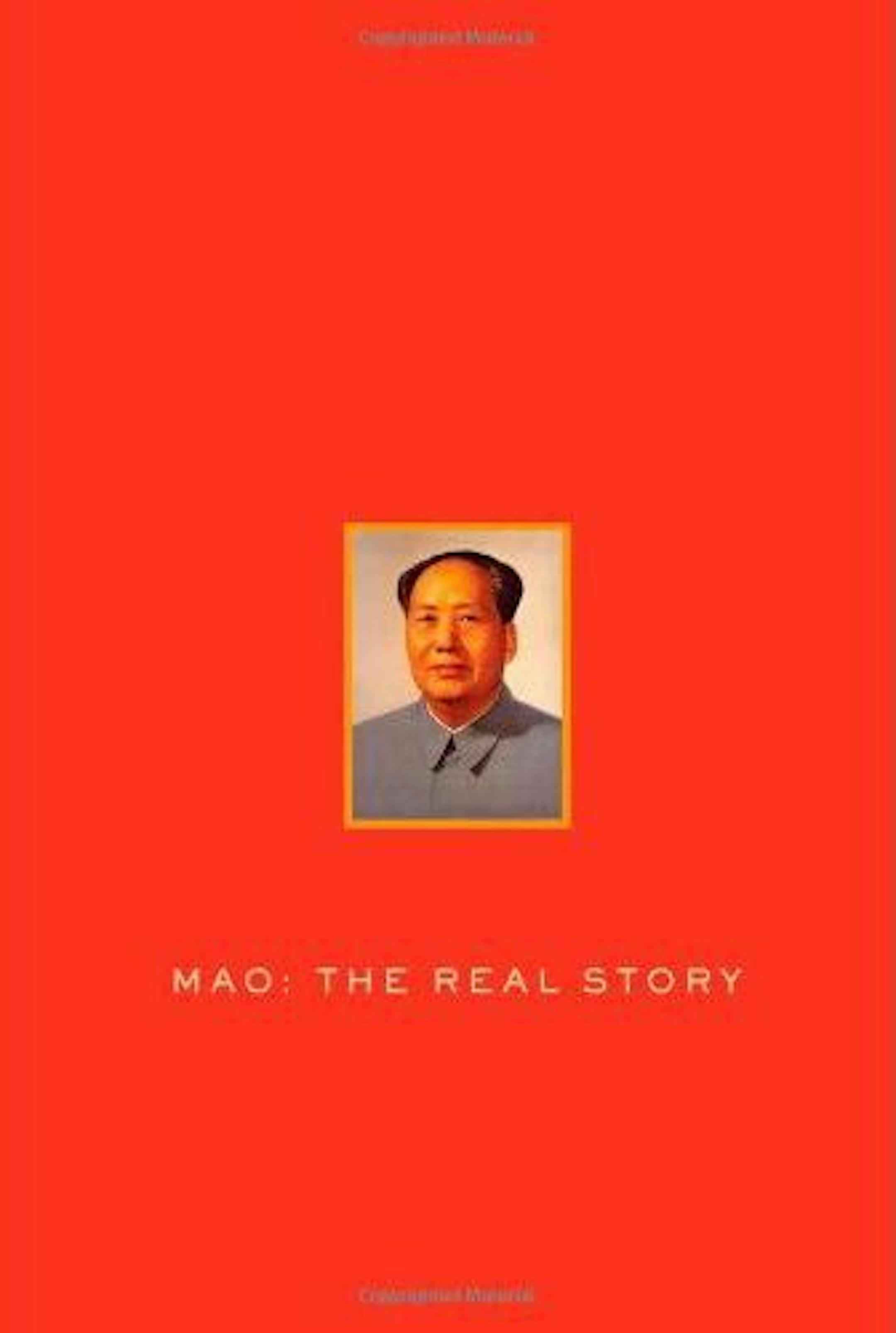
This biography was first published in Russia in 2007 without benefit of subtitle hype. But no American publisher would settle for the sober announcement that Alexander V. Pantsov's access to the Russian State Archive of Social and Political History has resulted in a nuanced study of Mao Zedong (1893-1976) that supersedes previous biographies.
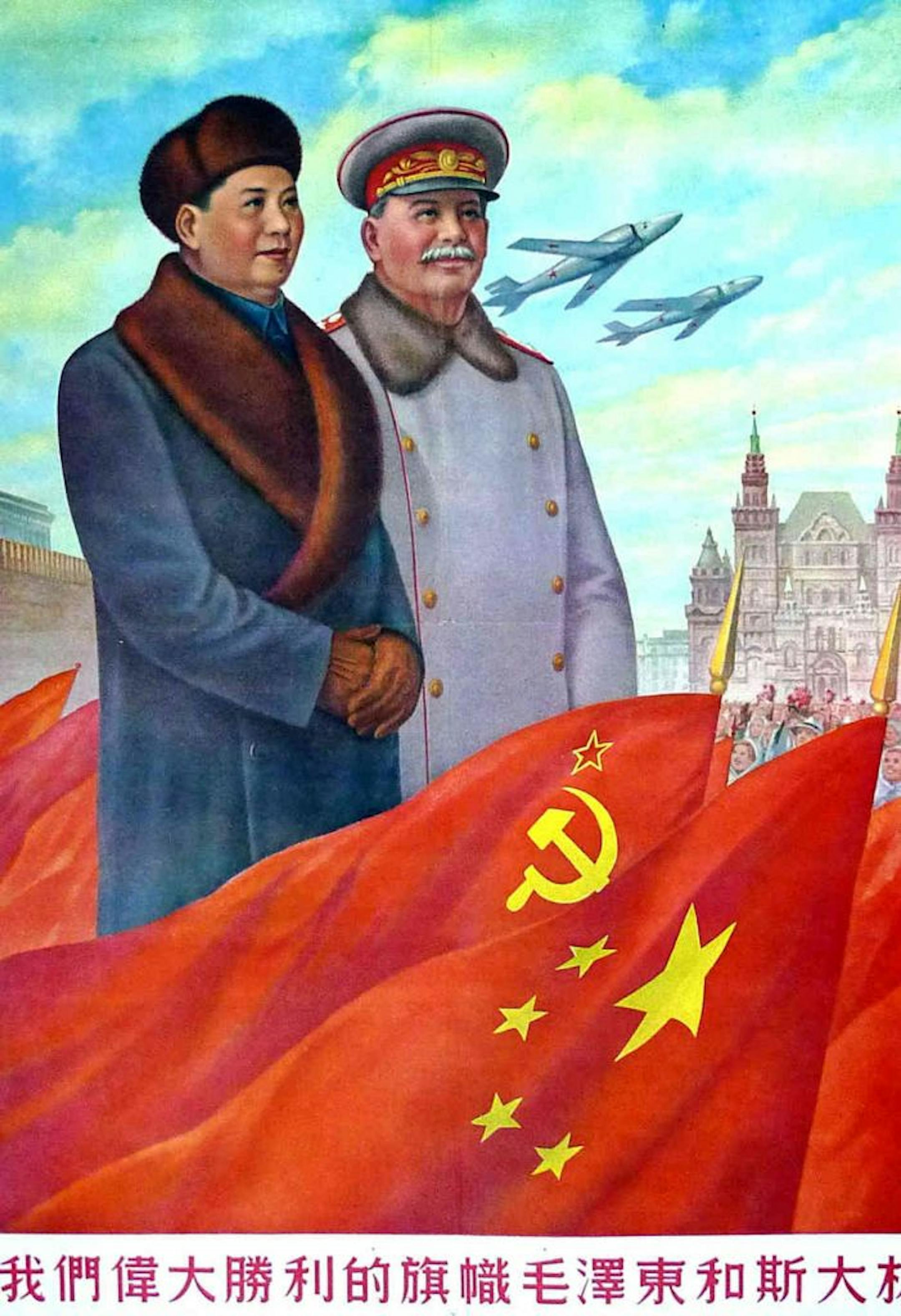
The evidence of Mao's faithfulness to Stalin right up to the Soviet dictator's death in 1953 is especially striking. Of course, there were tensions between the two leaders, and even distrust, but in the main Pantsov and Levine provide a detailed exposé of Communist solidarity that strikes yet another blow at certain American Cold War historians, who have generally wanted to present Mao as his own man. In other words, there was considerable truth to the idea that communism was monolithic -- no matter how much it may have seemed to vary from one country to another.
Perhaps because Pantsov and Levine are so focused on getting their man right, they do not step away from their narrative enough to appreciate that in certain respects Mao is now an irrelevance. Without saying so, China's subsequent leaders have repudiated Mao's ideas of radical reform, which led to the disastrous, famine-producing Great Leap Forward (1958-61) and the Cultural Revolution (1966-76) that caused a political chaos that China has yet to fully overcome. Still, their biography of Mao goes a long way toward elucidating contemporary China and Chinese leaders' insistence on one-party rule as the only way to perpetuate long-lasting political, economic and cultural change.
For better or worse, China seemed to have not had a good alternative. The portrait of Chiang Kai-shek in this biography is devastating: Although he inflicted severe losses on the Communists in 1936, ultimately his rule succumbed to them in 1948, when they triumphed using guerrilla war tactics and a call -- not for socialism, or communism, or Stalinism, but for a "New Democracy" that would destroy the power of corrupt generals and government officials. Communists claimed they would elevate the fighting spirit of the country's soldiers and build a prosperous economy that the nationalist Chinese government could not deliver. In the end, Mao's promises were unfulfilled -- or rather their fulfillment was much delayed, until his death and the country's turn toward a market economy.
Carl Rollyson is the author of "A Higher Form of Cannibalism: Adventures in the Art and Politics of Biography."