State senators revived a stalled proposal legalizing medical marijuana Thursday, in response to chiding from Gov. Mark Dayton that legislators were avoiding the controversial issue.
"We had been reticent to move forward in light of the governor's concerns and objections," said Sen. Scott Dibble, the lead sponsor of the proposal in the Senate. But earlier this week, Dayton — who has been the subject of withering criticism from medical marijuana activists — suggested that lawmakers have "hidden behind their desks" on the issue.
"We took him up on the invitation," said Dibble, DFL-Minneapolis.
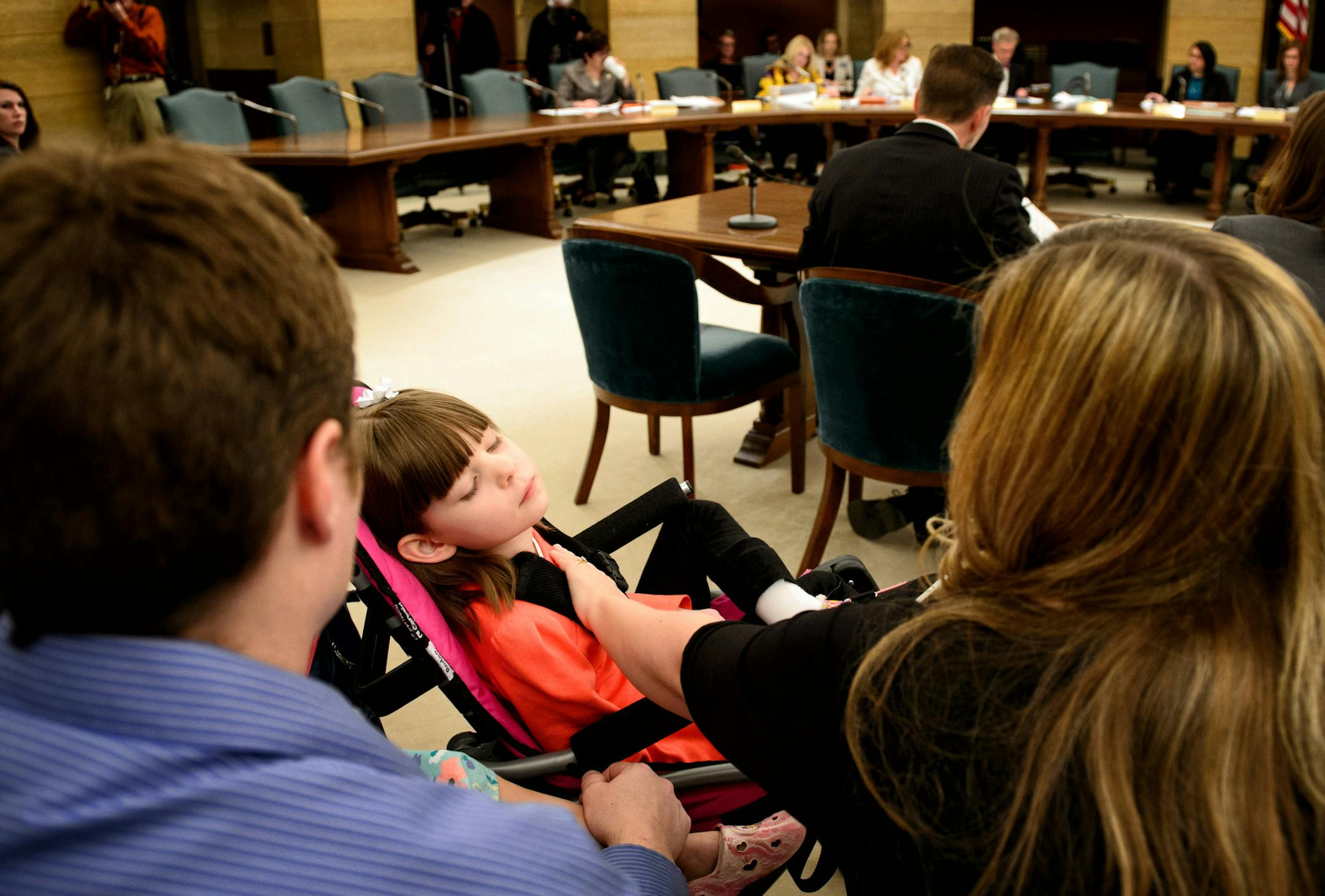
Dayton has not been willing to support wide-ranging legalization for other medical uses, but he suggested a possible compromise in the form of state-funded research into a cannabis-based oil shown to relieve epileptic seizures in children. That's put him at odds with a well-organized group of medical marijuana advocates, both adult users and parents of epileptic children, who say studies don't go far enough and have hit back in a series of emotional news conferences and two TV commercials that called out the governor by name.
The Senate Health and Human Services Committee reviewed the wider medical marijuana proposal on Thursday. The panel didn't vote, but the committee chairman said members would when legislators return from a 12-day holiday break that starts Friday. Dibble said he believes he has the votes to clear committees and to pass the full Senate; the bill's House sponsor has also said she believes there's enough votes to pass in that chamber, although the House's DFL leaders have been reluctant to take up the issue.
Dibble's proposal would allow patients diagnosed with cancer, glaucoma, HIV and a range of chronic diseases to obtain a medical marijuana license. Patients would be able to possess up to 2.5 ounces of cannabis that they could administer through a variety of methods, including smoking.
The bill would also authorize a network of dispensary-style businesses, which would be regulated by the Minnesota Department of Health. Users would not be allowed to grow their own marijuana for medical use.
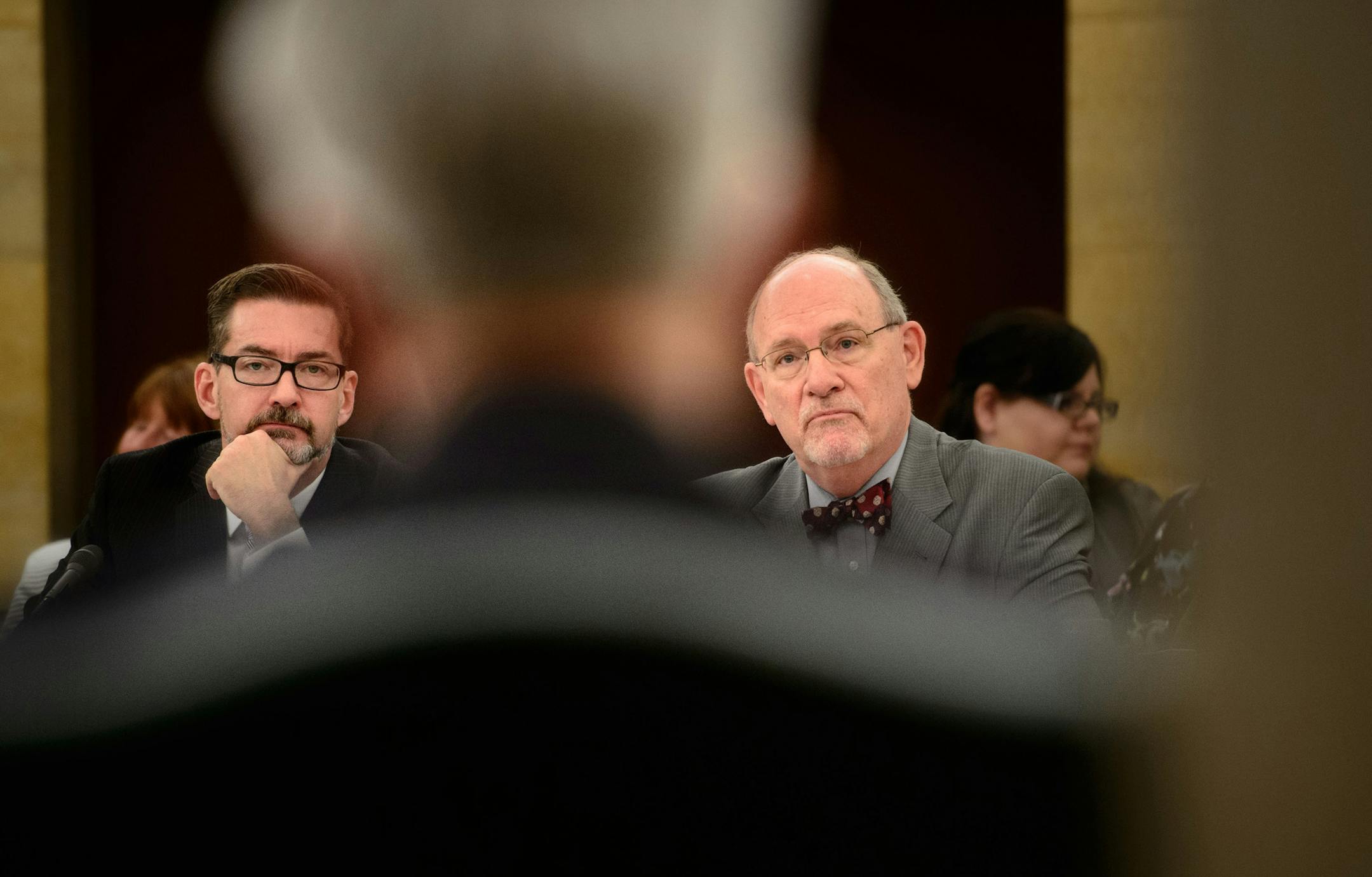
Two of Dayton's Cabinet officers told senators that the proposal is a bad idea. Health Commissioner Ed Ehlinger, who is also a pediatrician, said the bill creates "a risky shortcut for a substance of variable quality and strength." Citing differing views within the medical community, Ehlinger said legalizing medical marijuana would put many doctors in a tough spot.