

In the 19th century, the word frontier evoked a perilous wilderness. In the 20th it meant outer space. I think this one, the 21st, will be remembered (if we manage to be remembered) as the time humanity set out into an altogether different type of uncharted territory — a place so strange and unpredictable that even its name changed from one decade to the next, all the better to capture its constant state of flux.
At the moment this new frontier is known as climate change, the term global warming having been ditched when it became clear that the effect of too much CO2 in the atmosphere was a bit more complicated than that label implied.
When I first got interested in the phenomenon in the 1980s, scientists called it the greenhouse effect. The consensus was that global warming would be more broadly understood. The Earth is heating up, stupid.
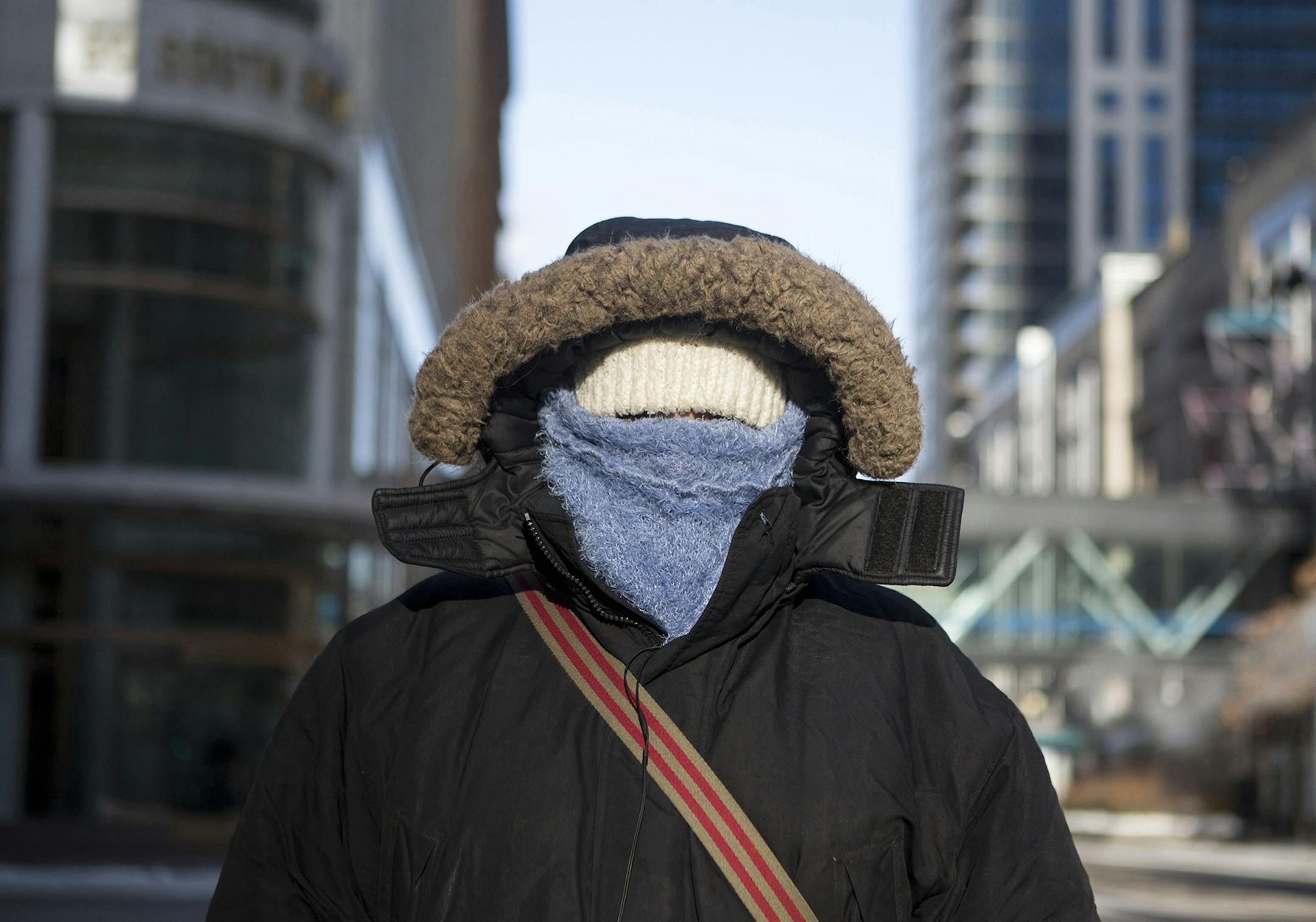
Except that lately our part of the world has been fairly dramatically cooling down.
Climate change leaves nature's options open. Seems we're in for just about anything, weather-wise, as long as it's extreme. I'm talking drought, famine and wildfires one year, epic floods the next.
The polar vortex is a fascinating concept. In a nutshell, it's what happens when hot and cold air collide, and the jet streams — which usually circle the globe in a fairly direct path from west to east — get all funky and weird. If these recent jet streams were people, you'd have to assume they were drunk.
Why a torrent of frigid air suddenly swooshes down from where it belongs and starts freezing people's plumbing in Atlanta is because …
Imagine a rubber band that's been stretched to the point where here and there it's starting to fray. You've got some weakness in the band. It's kind of like when you have an artery blow.


