

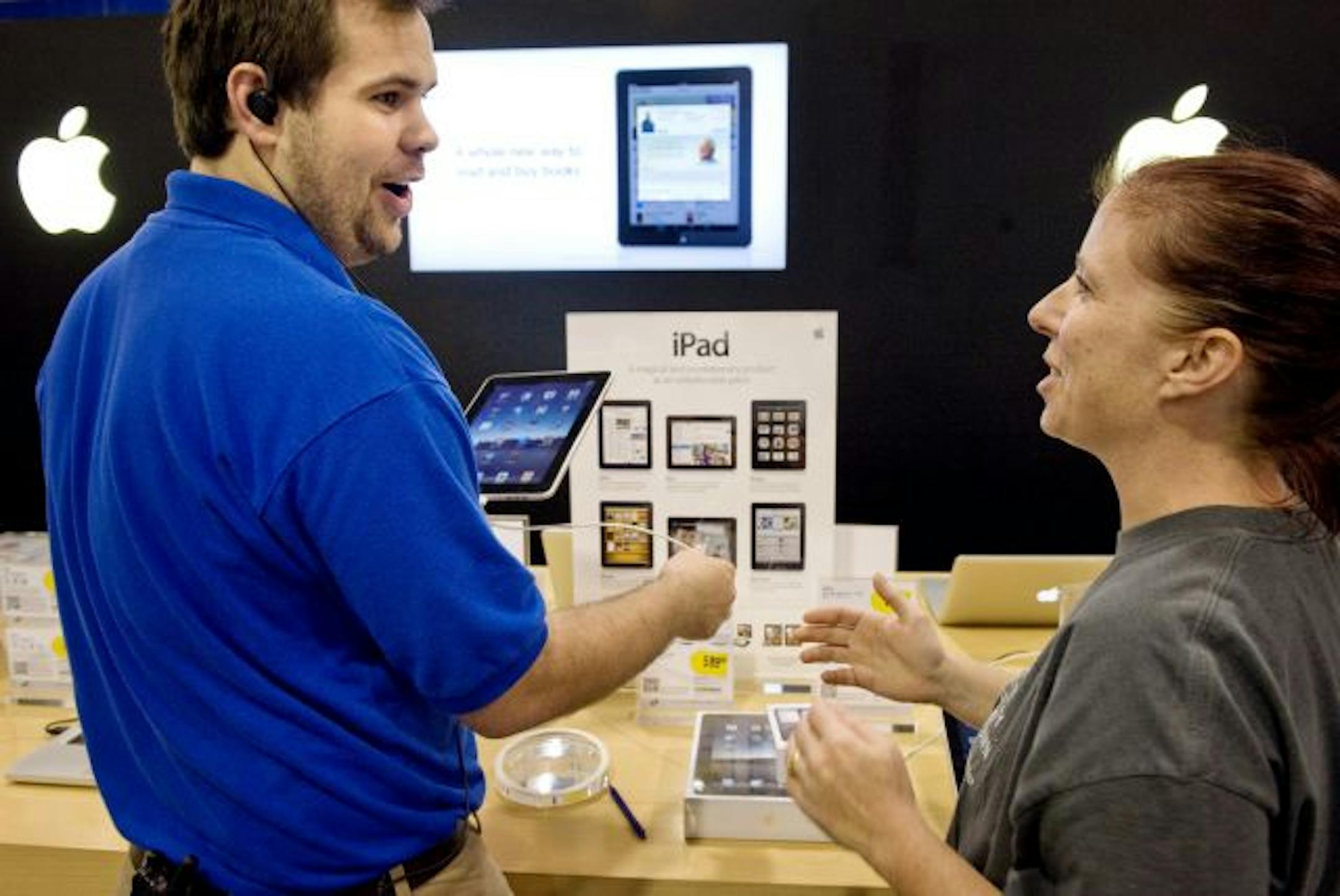
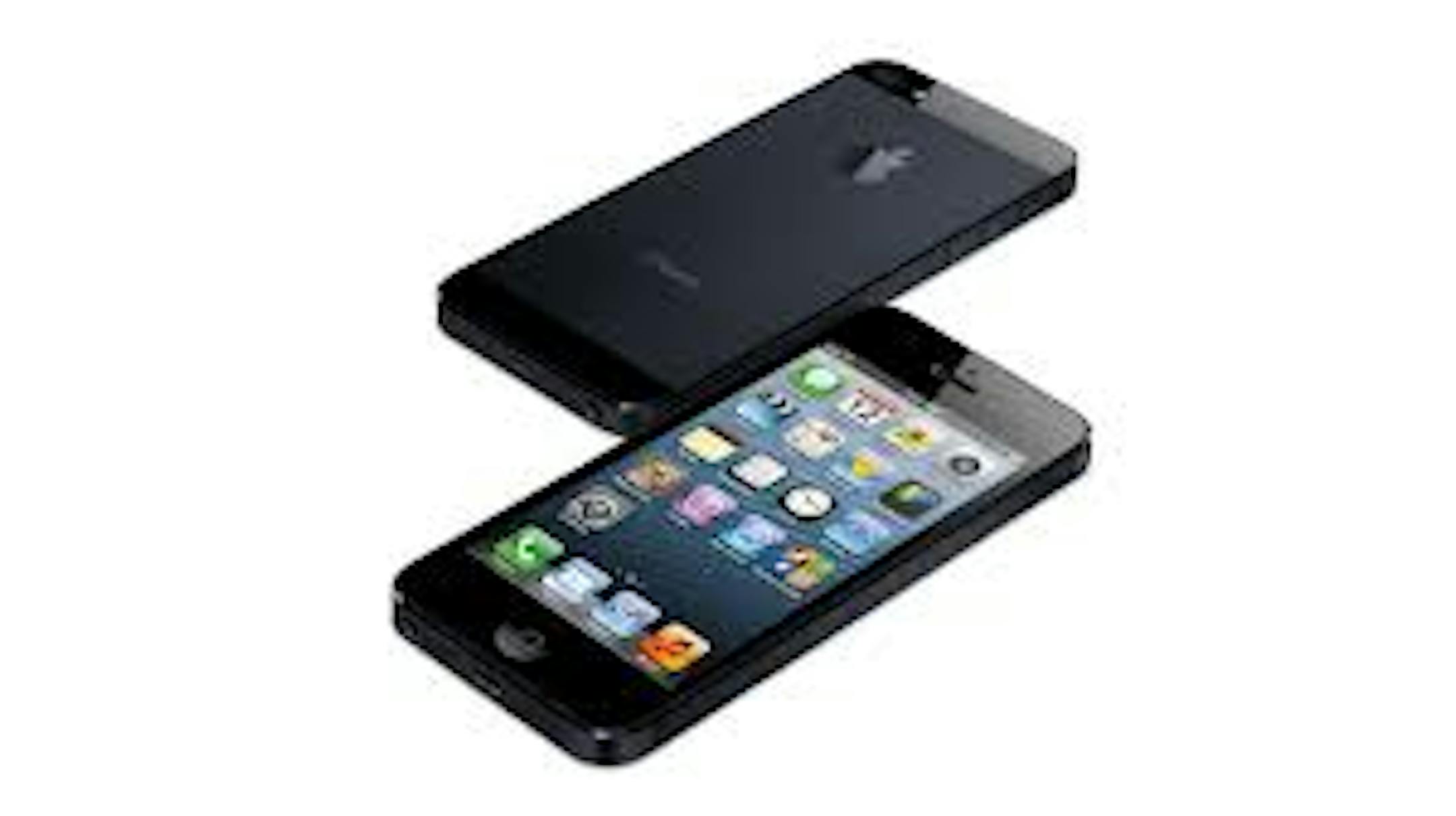
Best Buy is one of the world's largest sellers of Apple products like the iPhone and iPads. But you would never really know that once you see the throngs of customers waiting to purchase the iPhone 5 outside of the 250 or so Apple stores across the country Friday morning, including the Mall of America and Uptown.
The debut of a hot consumer electronic product is sort of like the movie business. Everything depends on opening weekend grosses, which sets the pace for how the movie fares for the rest of its run.
Analysts expect iPhone 5 to be a big blockbuster, even though the device offers only relatively modest upgrades like an improved camera, 4G capability, and a longer screen.
Unfortunately for Best Buy, Apple's decision to debut products like iPhone 5 at its own retail chain kind of steals most of the initial sales thunder from BBY stores. Oh sure, Best Buy will sell plenty of iPhone 5s. But one would think they would sell a whole more if Apple chose to debut the phones at a Best Buy.
Microsoft is also stretching its retail muscles. The company will reportedly debut its Surface tablets this fall at the roughly two dozen Microsoft stores. And borrowing a page from Target Corp., Microsoft will also open 32 "pop-up" stores at malls and shopping centers this holiday shopping season. (Even Amazon, Best Buy's online nemesis, plans to open physical stores.)
All of this should worry Best Buy. Back in the day, retailers were retailers and manufacturers were manufacturers. Today, those lines are completely blurred. In the past, you would line up outside a Best Buy for the latest gadget.
Nowadays, the only time you see huge lines outside of a Best Buy is Black Friday, when the retailer offers huge day-after-Thanksgiving discounts to jump start the holiday shopping season.
New Best Buy CEO Hubert Joly has certainly thought about this. Best Buy must work with its key suppliers like Apple and Microsoft to create value and excitement, he said.


