

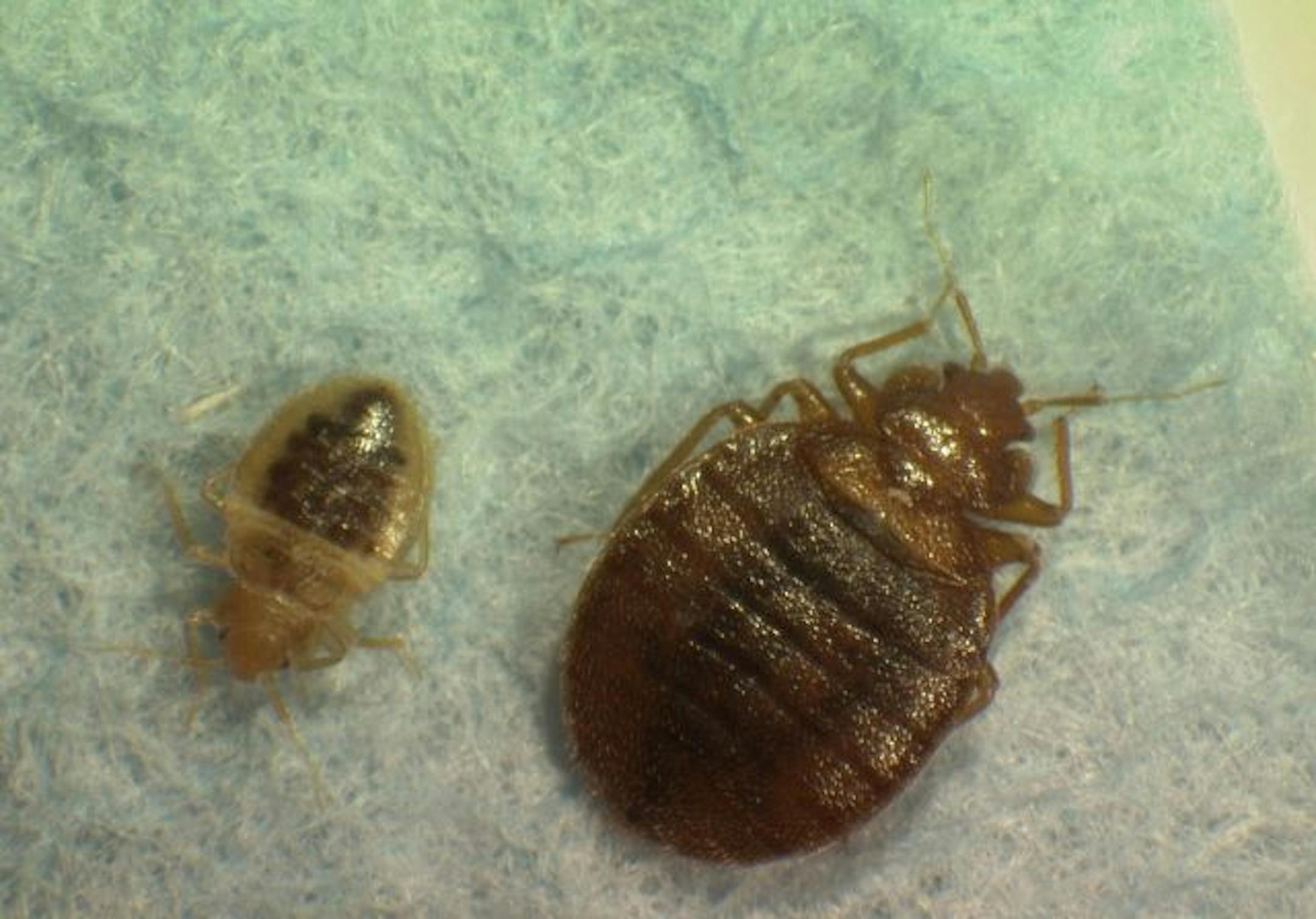
Along with all the stresses of planning a summer vacation, travelers these days have something else to worry about: bedbugs.
Once rare and associated with seedy places, bedbugs are now showing up in hotel rooms regardless of price, and some legislators are stepping up efforts to protect travelers.
"Travelers absolutely need to be concerned," said Richard Cooper, an entomologist and president of Bedbug Central, a website that focuses on bedbug education. He says that it's a widespread problem throughout the world.
Although the blood-sucking pests were nearly eradicated in the United States in the 1950s, they're now flourishing, some say, because of growing international travel and insecticide bans. Bedbugs are expert hitchhikers that stow away on clothing and luggage.
Bedbugs don't transmit disease, but they can have a significant impact on people emotionally and financially, Cooper said. They hide in box springs and can burrow into mattress seams. They come out at night and feed on people while they are asleep. The bites are painless, Cooper said, and if the victim has a skin reaction, it's often mistaken for a mosquito bite. That's why it often takes three to four months before an infestation is detected. By then the infestation will have spread to baseboards, upholstered furniture, curtains, even toys, and eradication is difficult and expensive, he said.
The problem is getting attention in Washington, D.C. Recent legislation called "Don't Let the Bedbugs Bite" (H.R. 2248) would dedicate $50 million from the Department of Commerce to train health inspectors and increase inspections of multiple-family dwellings, hotels and motels.
The hospitality industry is already stepping up efforts to train staff and increase inspections, including the use of specially trained bedbug-sniffing dogs.
Although the government doesn't track infestations, travelers are self-reporting their bedbug encounters at websites such as www.bedbugregistry.com, and www.bedbugreports.com, where travelers can search for and post outbreaks in hotels nationwide. Cooper said travelers shouldn't rely on such information because the reports aren't verified.


