

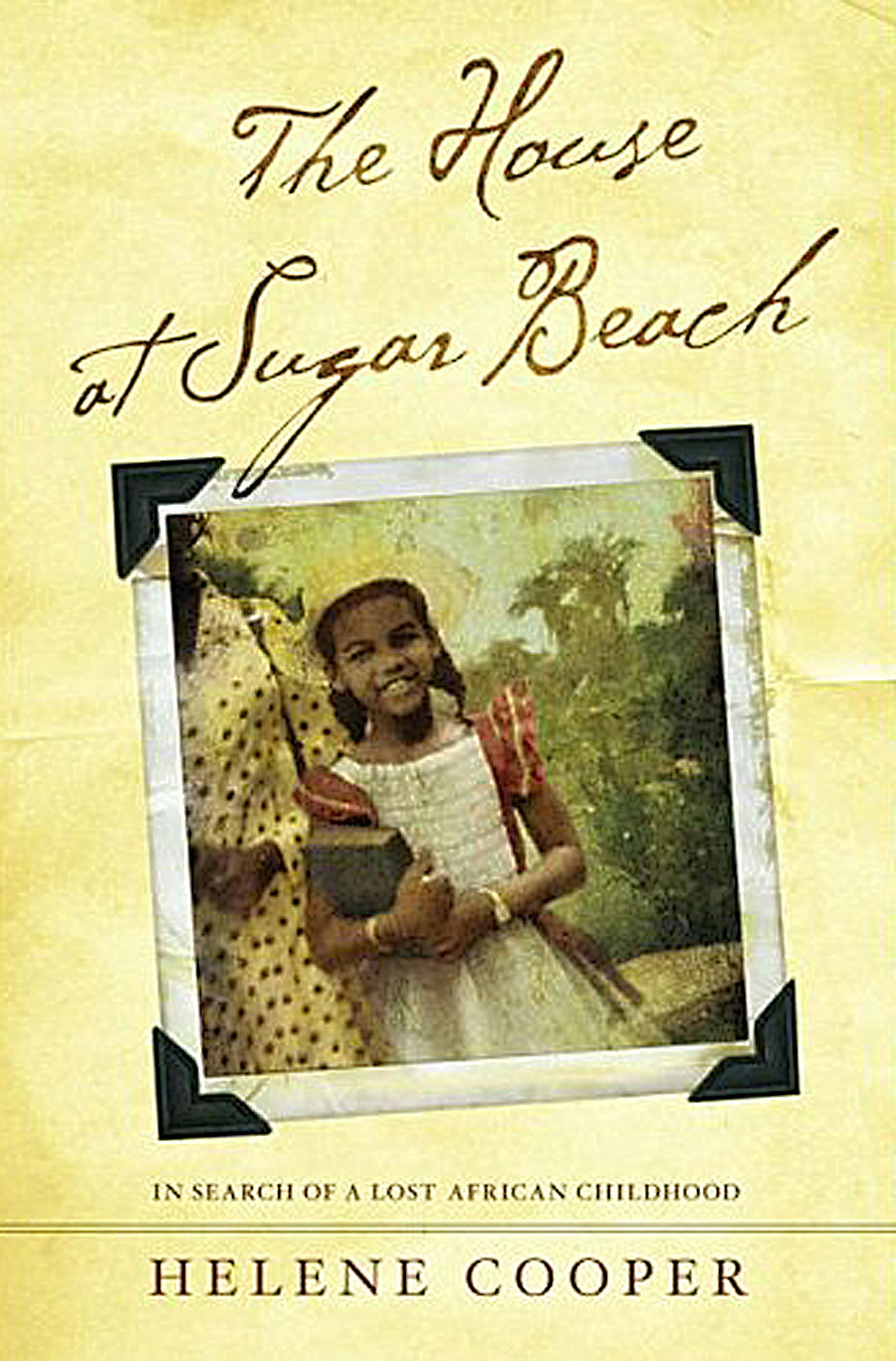
Helene Cooper grew up rich and privileged in a mansion by the sea. She was a member of Liberia's elite; her parents were Congo people, descended from the freed American slaves who founded the country.
Helene wore American jeans, attended private school and had a pink bedroom where she was afraid to sleep. She feared the spirits that she saw in the corners, and she feared the heartmen, who will cut your still-beating heart out of your chest with machetes.
So her parents went out and got her a live-in friend to keep her company. Eunice was Country people, and her family was poor.
The friendship between Helene and Eunice was slow to take root, but eventually it flourished. They became as close as sisters -- until civil war drove them apart. Their childhood, and their reconciliation years later, are the heart of Cooper's riveting memoir, "The House at Sugar Beach."
Cooper's bar for this book was high; there is much to understand before it can release its power. You have to understand the history of Liberia, how it was built by American freed slaves who displaced native Africans. You have to understand the tensions between Congo people and Country people, as well as the tensions among all of the tribes. And you have to understand how someone can love a place down to their bones and yet still walk away.
Cooper handles the context masterfully, folding it naturally into the narrative.
Helene's privileged childhood seems fragile from the start. Rogues loot the house at night, carting away ivory. The heartmen lurk in the shadows; the neegees wait under the waves to pull her down when she swims.
Nothing feels permanent. So it is not a surprise when her life is broken open not once, but twice -- first by her Daddy, who says he wants a divorce. And then by civil war.


