

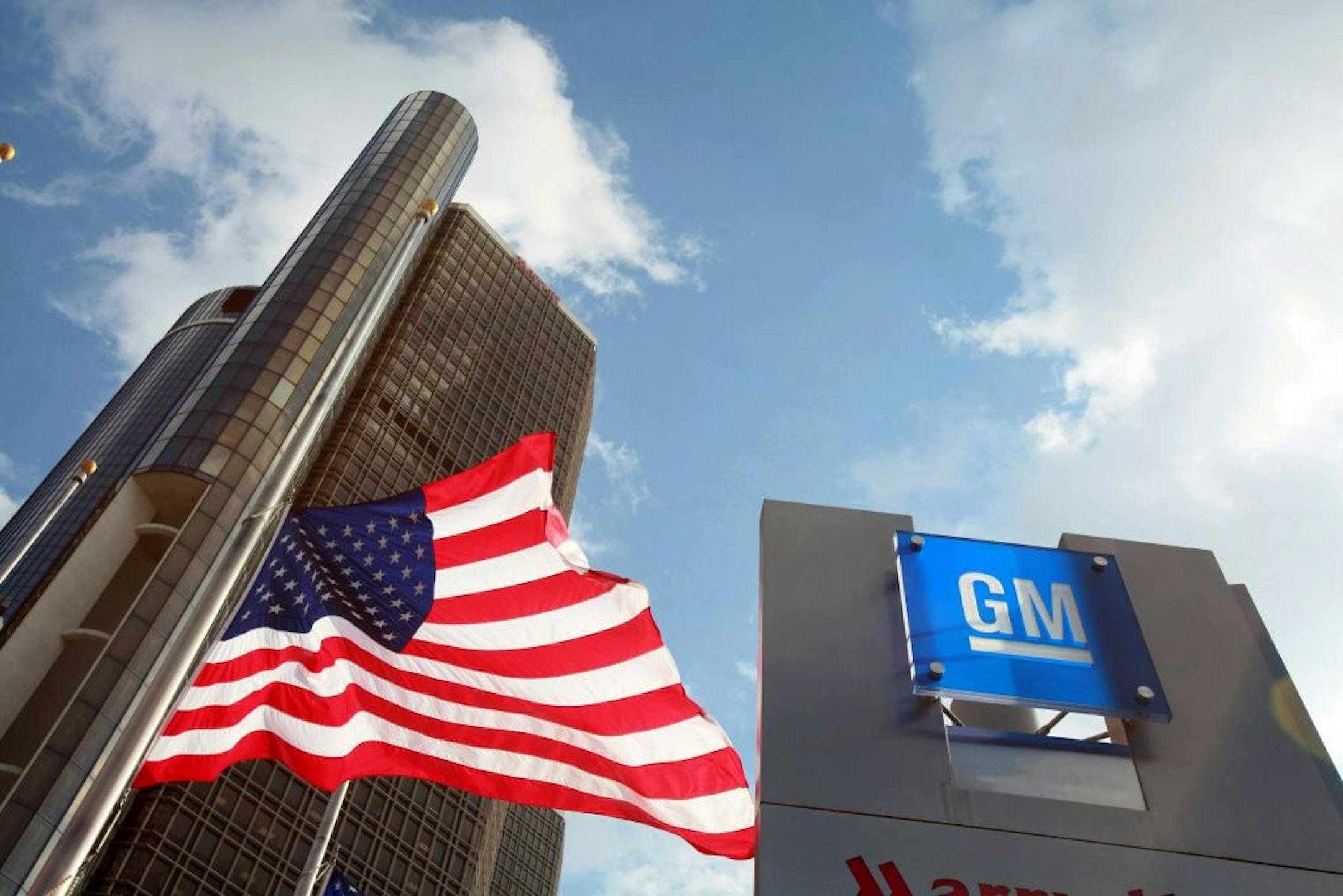
The 2009 federal bailout of General Motors and Chrysler was a major theme of the presidential campaign. According to President Obama, the $61.5 billion commitment was pure upside: an industry rejuvenated, a million jobs saved.
It helped the president make his case that the cost had not yet fully materialized. The government still owned 500 million shares of GM, or about 26 percent of the total; until it sold, any loss to taxpayers would remain hypothetical.
Well, now the election is over and -- coincidentally or not -- the Treasury Department has decided to start selling out.
GM itself will buy back 200 million shares at $27.50 each (slightly above market price). Treasury will dispose of the remainder over the next 12 to 15 months.
Bottom line? Surely GM, which has made tremendous strides toward restructuring and profitability, will benefit further from losing the stigma of "Government Motors" as well as restrictions on the compensation it can offer top executive talent. But there's no realistic near-term scenario under which GM's stock reaches $53, Washington's break-even price.
Factoring in previous realized losses, and assuming that the government sells its remaining 300 million shares at or near $27.50, the total taxpayer loss on the auto companies comes to $20.3 billion. That's $20,300 each for the million jobs saved. Too much? Let history judge.
Meanwhile, both GM and Chrysler still have their work cut out for them. GM's North American market share has slipped below 18 percent for the year, as of November, and Chrysler has accumulated a six-month unsold inventory of its highly touted new small car, the Dodge Dart.
The auto bailout's results look different, though, when viewed in conjunction with another controversial federal rescue: that of the global insurance firm AIG.


