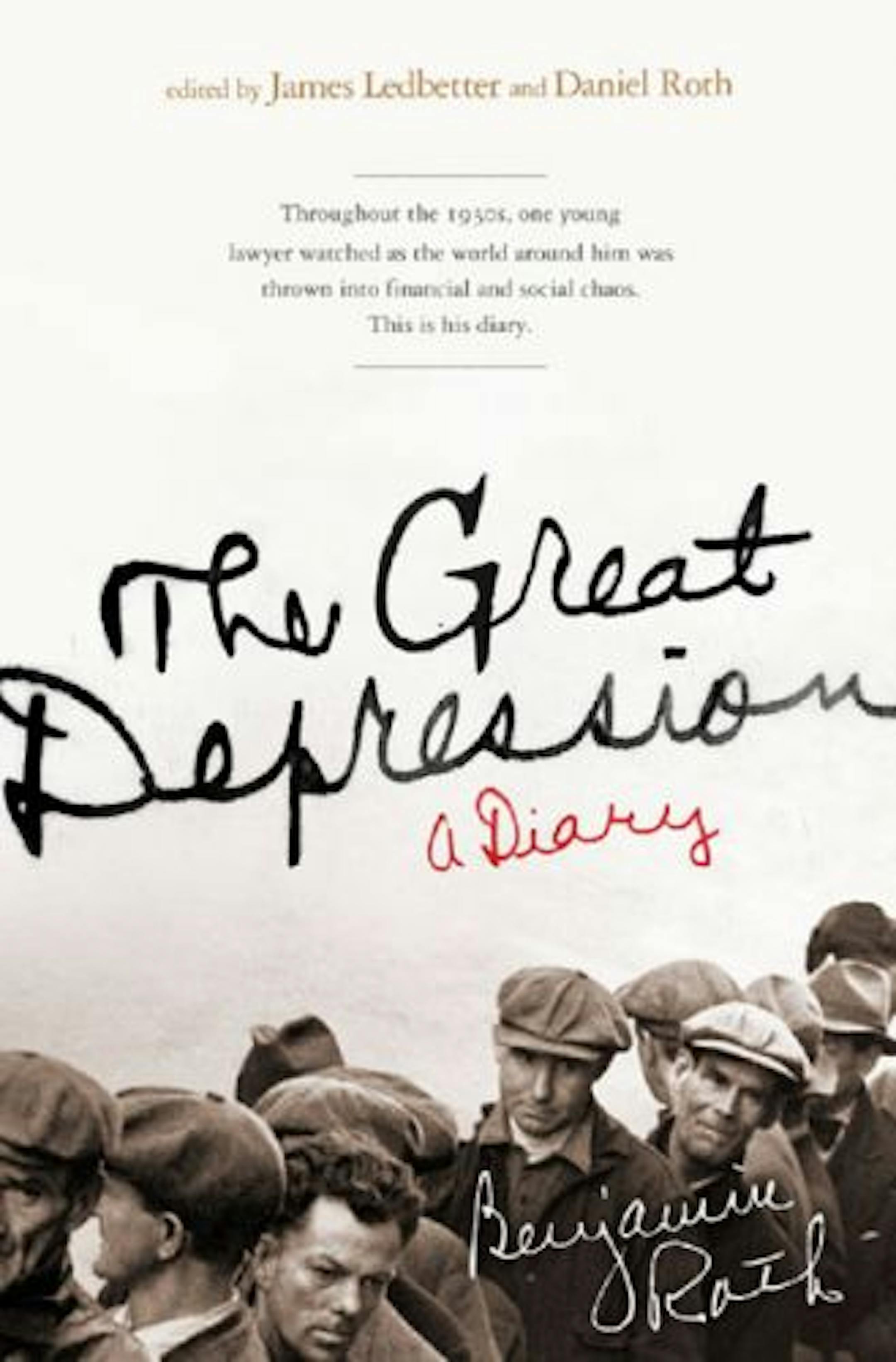
On June 5, 1931, a young Ohio lawyer made the first entry in what would become a decades-spanning diary.
"For the first time in my personal business life, I am witnessing a major financial crisis," Benjamin Roth wrote, less than two years after the stock market crash of October 1929.
"I am anxious to learn the lessons of this depression. To the man past middle life it spells tragedy and disaster, but to those of us in the middle 30s, it may be a great school of experience."
Much has been written about the Great Depression from the perspective of people at the top: Wall Street financiers, tycoons, the president (Herbert Hoover) who lost his job because of it, the president (Franklin D. Roosevelt) who won the top job by promising to pull the country out of it.
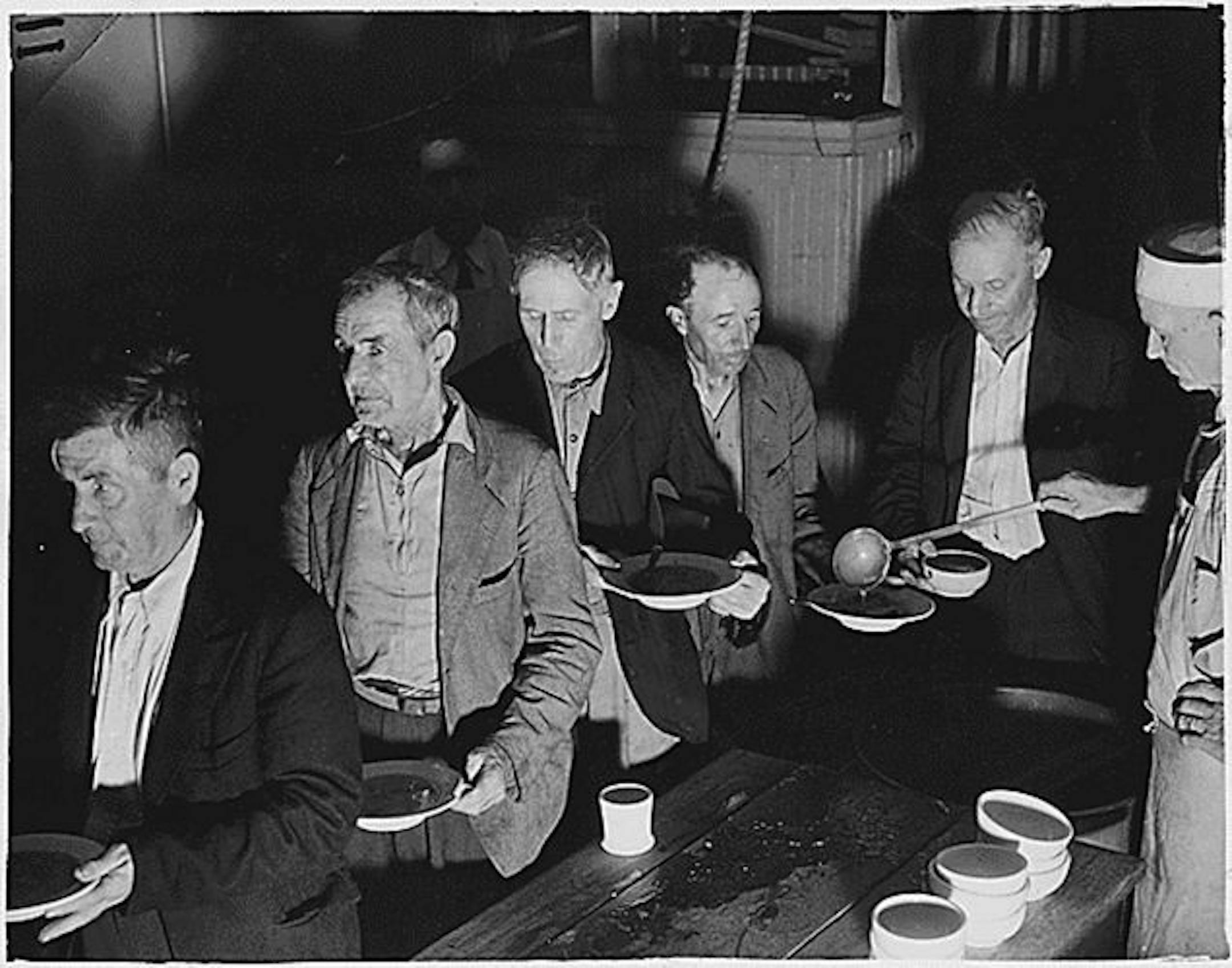
Historians and economists have filled libraries, too, about the effects on little people, on laborers and farmers and clerks who bought into the notion that by playing the market on margin they would become rich. We have seen their despairing eyes in the photographs of Dorothea Lange. We have heard their voices in John Steinbeck's (and Henry Fonda's) "Grapes of Wrath."
This is something new.
Roth is "a natural born Republican," and he frets about socialism, unions and government interference in business.
But there is an honest searching quality to his day-by-day accounts of banks closing, bread lines forming, friends failing. Striving to understand, he provides a remarkable and often engagingly literate discussion of the Great Depression's impact on people like him.