

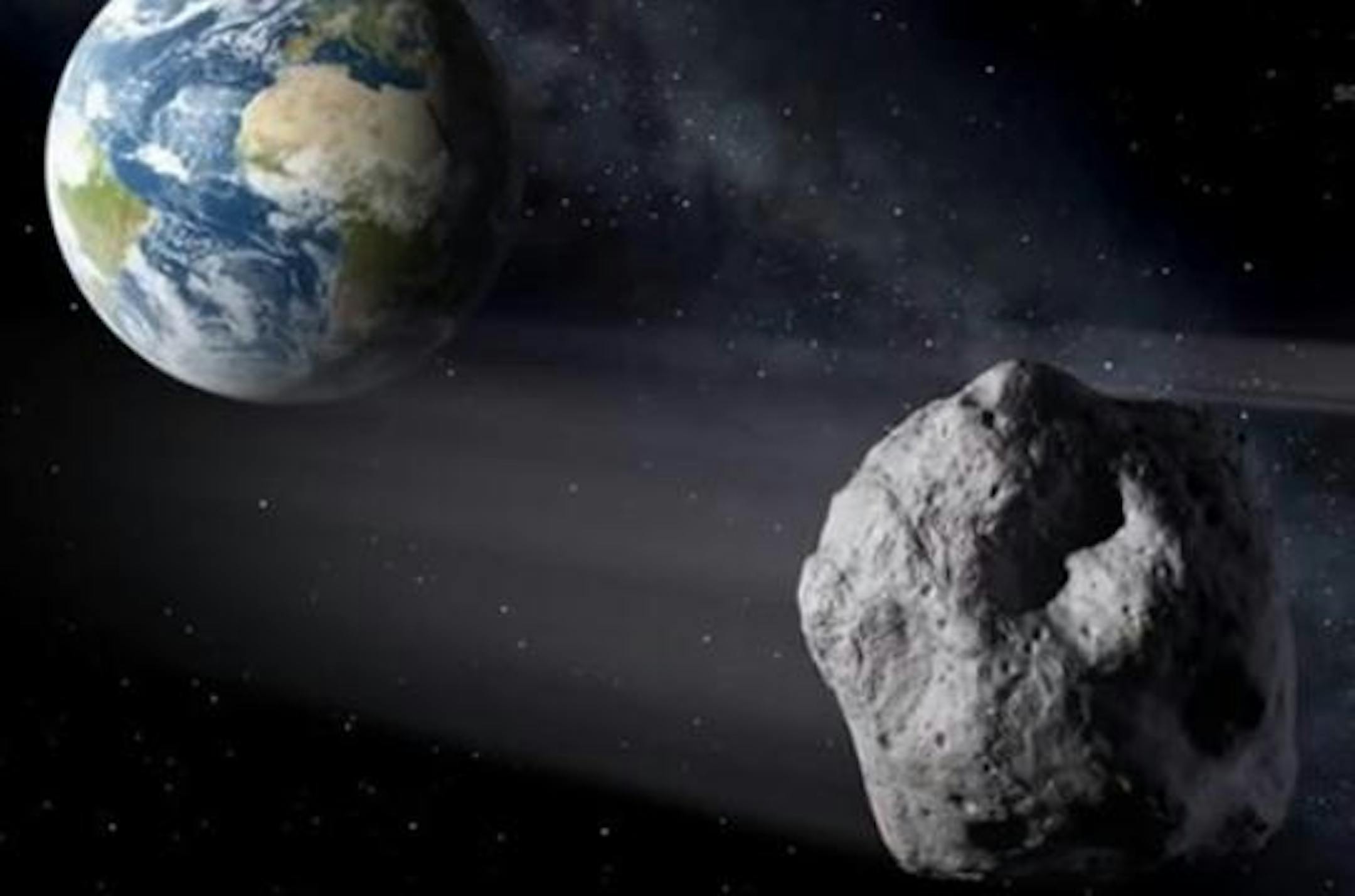
If I had to choose a single word to describe the dominant attitude in Russian society, it would be "mistrust." The meteor, or possibly small asteroid, that exploded over the Ural Mountains city of Chelyabinsk on Feb. 15 illustrated this as few other events could.
The world saw the meteor thanks to the dashboard cameras that are so common in Russian cars. U.S. publications from the New Yorker to Wired delighted in writing about the dash cam phenomenon, unheard of in the United States or Europe. Russians use the devices because they cannot trust police, judges, insurance companies or witnesses in case of a fender bender. A camera providing incontrovertible evidence pays for itself even if the accident is relatively minor. According to the government-owned newspaper Rossiyskaya Gazeta, in 2011 Russians bought 300,000 dash cams, and in 2012 the market probably more than doubled.
In the case of the meteor, however, the cameras were not enough to overcome mistrust.
Liberal columnist Yulia Latynina was quick to publish a column in Novaya Gazeta, strongly suggesting that the fiery object in the sky was no celestial body but a misfired missile from a nearby testing ground where a military exercise was taking place. When the version failed to stand up, Latynina asked Novaya Gazeta to remove the story from its site and issued an apology, admitting that the object was indeed a meteor.
"Paranoia tends to be logical, while life is not," Latynina explained.
Some remained unconvinced that no foul play was involved. Former privatization minister Alfred Kokh wrote several status updates on Facebook voicing suspicions of a cover-up. "Less than 24 hours after the fact nobody is searching for the object any longer," he wrote. "I don't know about you, but I get the feeling somebody is taking me for an idiot."
At the other end of the political spectrum, ultra- nationalist politician Vladimir Zhirinovsky suggested it was a U.S. missile that blew up over Chelyabinsk, leaving about 3,000 buildings in the industrial city windowless, injuring about 1,000 people with flying glass and causing about $30 million worth of damage.
"These are not meteors falling but Americans testing new weapons," Zhirinovsky said, according to the RIA Novosti news agency. "Nothing in outer space just falls, it's all done by people, warmongers, provocateurs." As with most of Zhirinovsky's outbursts, it was hard to tell how serious he was. Given many Russians' instinctive mistrust of Americans, the statement was unlikely to lose him any votes.


