

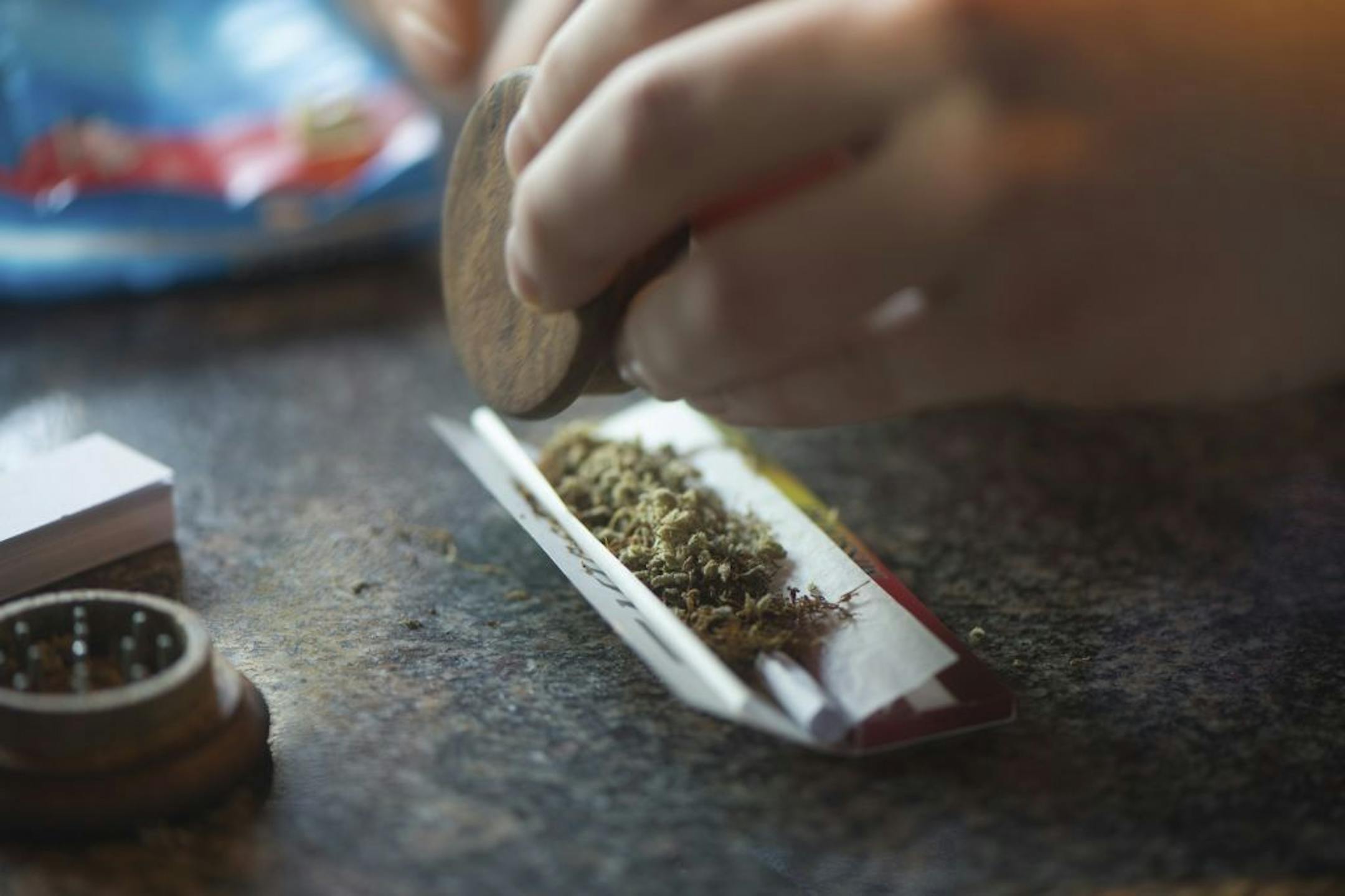
MAASTRICHT, Netherlands — A young man at a bus stop hisses at a passer-by: "What you looking for ... marijuana?" It's a scene of street peddling that the Netherlands hoped to stamp out in the 1970s when it launched a policy of tolerating "coffee shops" where people could buy and smoke pot freely.
But Maastricht's street dealers are back, local residents complain. And the reason is a crackdown on coffee-shops triggered by another problem: Pot tourists who crossed the border to visit the cafes and made a nuisance of themselves by snarling traffic, dumping litter and even urinating in the streets.
This exchange of one drug problem for another has become a headache for Maastricht — and may give reason for pause in the U.S. states of Washington and Colorado that recently allowed the sale of marijuana for the first time. The Netherlands, the world pioneer in pot liberalization, has recently taken a harder line toward marijuana, with mixed results seen particularly in border towns such as Maastricht.
The central government clampdown has involved banning people who live outside the Netherlands from coffee shops, and shuttering shops that are deemed to be too close to schools. There was even a short-lived policy that said smokers had to apply for a "Weed Pass" to get into a coffee shop. The new rules were rolled out across the country between the middle of 2012 and the beginning of last year.
But while the central government made the rules, it's up to local municipalities to enforce them — and most are embracing only part of the policy.
Amsterdam — with some 200 licensed coffee shops, one-third of the nationwide total — still lets foreigners visit them, although it is closing coffee shops that are near schools.
One city that has embraced the crackdown whole-heartedly is Maastricht, in the southern province of Limburg close to the Dutch borders with Belgium and Germany.
Its mayor, Onno Hoes, says he enforced the legislation to halt a daily influx of thousands of foreigners who crossed the borders to stock up on pot at its 14 coffee shops. That effort to end so-called "drug tourism" has been successful, local residents say, but the flip side has been a rise in street dealers like the man who recently tried to sell pot to an AP reporter in Maastricht.


