
More reasons to love shrub roses

In addition to being winter hardy, shrub roses are disease resistant and low maintenance. Newer cultivars also have traditional flower form and stronger fragrance.

September 18, 2012 at 7:32PM
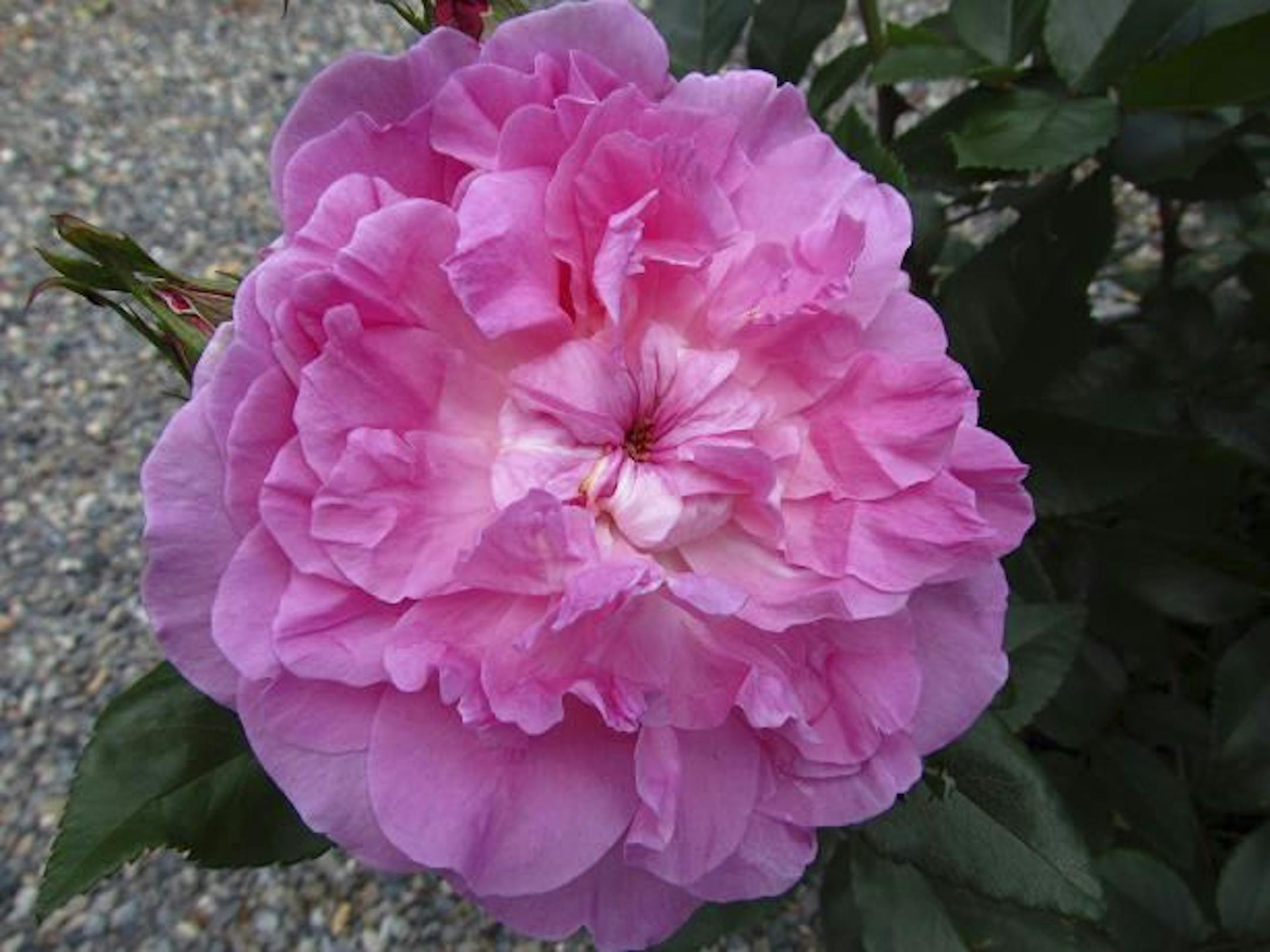
Orchid Romance rose
Orchid Romance rose (Star Tribune/The Minnesota Star Tribune)

There's a big market for people with better things to do than bury their roses every fall.

In recent years, shrub roses have endeared themselves to northern gardeners who are tired of tipping tender hybrid tea roses -- and gardeners who never wanted to learn the practice.

While shrub roses are treasured for their reliable cold hardiness, they also show strong disease resistance, which reduces the need for regular chemical regimens.

Beyond those desirable traits, these tough bloomers need little to no pruning and less fertilizer and water. In short, shrub roses are turning what was once a fussy flower into a lower maintenance, eco-friendly member of the garden. Now there's even more to celebrate.

Form and fragrance Rose breeders are working to combine the strength and performance of the best shrub roses with the beloved fragrance and form of traditional roses.

Dr. David Zlesak, a rose breeder and University of Wisconsin horticulture professor, said he's excited about the possibilities. One of his current favorites is a new cultivar called Orchid Romance, which has old-fashioned pink flowers with a lavender undertone and a fragrance that's described as "very strong" to "powerful."

At the same time, rose hybridizers are creating a wider range of colors.

While there are lots of pinks, reds and whites, yellow remains a more elusive shade. For a vivid yellow rose with all the positive attributes of the shrub rose, Zlesak recommends High Voltage in the Easy Elegance Series from local Bailey Nurseries.

Compact plants Gardeners who shied away from shrub roses because of their, ah, vigorous nature should take a fresh look at them. Many of the latest shrub roses (which often are referred to as landscape roses) have a more compact size. Some have been crossed with miniature roses, for a smaller growth habit that's better suited to smaller gardens, patios and even containers.

Oso Easy roses from Proven Winners are described as compact David-Austin types, referring to the modern English-style roses. The Oso Easy roses are ideal for mass plantings or as specimens in gardens with limited planting area, because they tend to be smaller when mature.

Drift roses from Conrad Pyle, which are considered ground-cover roses, grow in a mounding, spreading form. They're well suited for hillsides, pathways, mixed borders and containers.

Growing only 2- to 3-feet wide and just 18 inches tall, Drift roses come in a broad range of colors, including peach, apricot and popcorn yellow as well as pink, red and white. The repeat bloomers are what horticulturists call "floriferous," which is a fancy way to say they have lots of flowers.

Own-root roses One way breeders are making shrub roses easier to care for is by producing more own-root roses. Instead of creating grafted roses, which can be more temperamental, Bailey Nurseries is pushing to develop stronger plants that can grow on their own roots.

The Easy Elegance series includes All the Rage, which I grew. It has fluttery single petals surrounding a golden center that turns from pink to coral, then produces a cluster of attractive orange hips. The plant I had never flagged, even when I moved it from front porch container to a back door-location, where I could better appreciate its wonderful spicy fragrance.

Rugosa roses, such as those from the Pavement Series, are another variety of rugged, own-root plants. With their dense, thorny growth, crinkly green foliage and ruffled blooms, rugosas resemble wild roses found along country roads. The fragrant blooms are always buzzing with bees. As an added bonus, they produce large reddish to orange hips that add autumn color and can be used in teas and jellies.

The same salt tolerance that makes rugosas ideal for coastal growing conditions makes them good candidates for growing along sidewalks, roadsides and parking lots in snowy climates.

Shrub rose care Shrub roses do need full sun, adequate water and good air circulation to live up to their potential. Mulch helps to conserve moisture and discourage weeds.

They need little pruning, usually only to remove the occasional dead cane. They can be pruned back in early spring by a third to promote bushy new growth. However, most rebloom throughout the season without any pruning.

Rhonda Hayes is a Minneapolis-based garden writer. She blogs at www.thegardenbuzz.com.

about the writer

about the writer

RHONDA HAYES, Contributing Writer

More from Minnesota Star Tribune

See More
card image
J. SCOTT APPLEWHITE, ASSOCIATED PRESS/The Minnesota Star Tribune

The "winners" have all been Turkeys, no matter the honor's name.

In this photo taken Monday, March 6, 2017, in San Francisco, released confidential files by The University of California of a sexual misconduct case, like this one against UC Santa Cruz Latin Studies professor Hector Perla is shown. Perla was accused of raping a student during a wine-tasting outing in June 2015. Some of the files are so heavily redacted that on many pages no words are visible. Perla is one of 113 UC employees found to have violated the system's sexual misconduct policies in rece