The Minneapolis Institute of Art's collection is chock-a-block with key works by Goya, Poussin, Girodet and others that museums worldwide regularly clamor to borrow. Any new artwork needs to be of top quality and have an impeccable pedigree to make the grade.
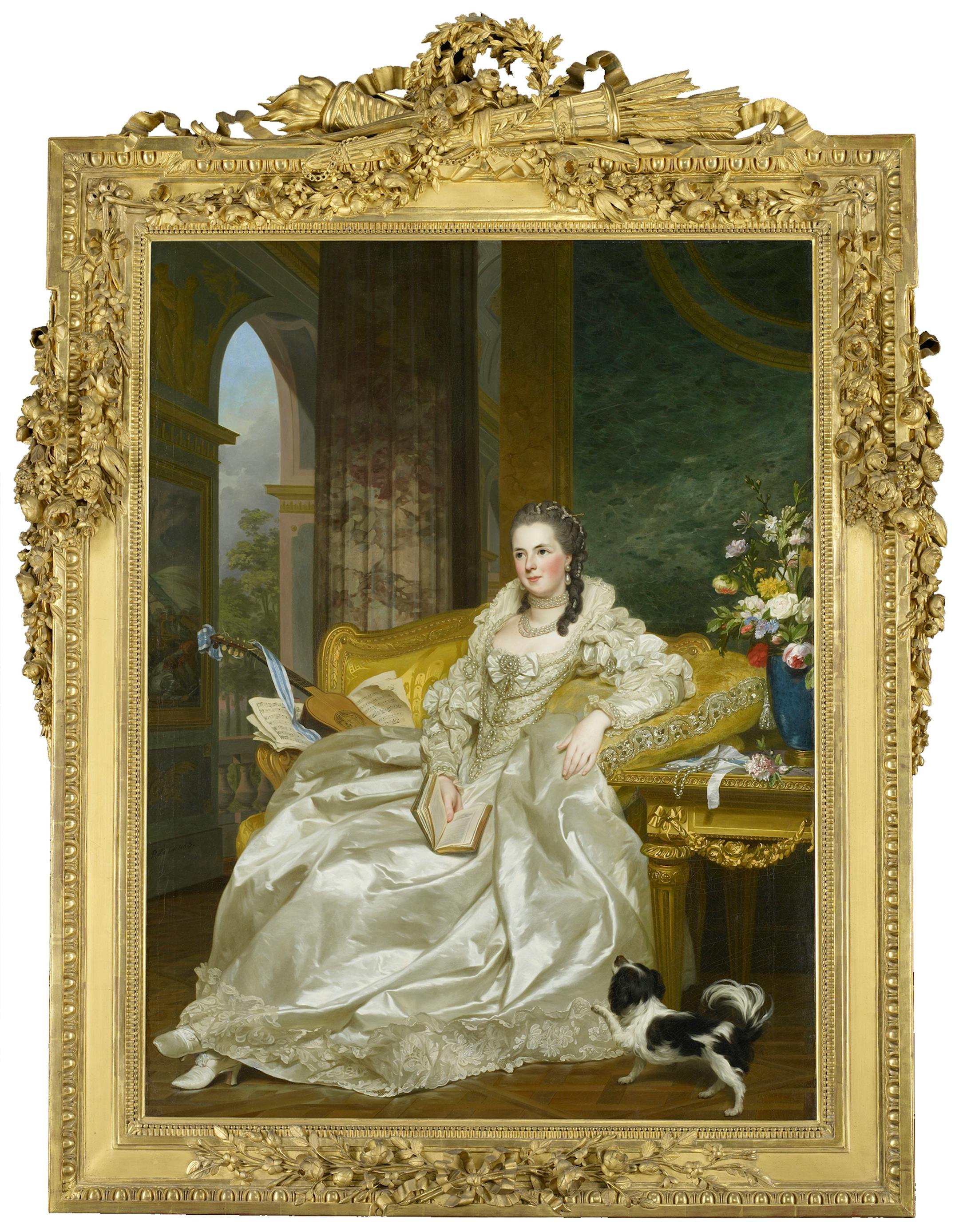
Which brings us to Alexander Roslin's portrait of "The Comtesse d'Egmont Pignatelli in Spanish Costume," the centerpiece of a small international show through Nov. 30. The museum bought the picture two years ago for $3.5 million and then promptly lent it to a major Roslin retrospective presented in Stockholm and Versailles, France.
The countess was the star of that exhibit, said Patrick Noon, the Minneapolis curator who organized the present show. In return, those museums and others in London and Edinburgh lent paintings to Minneapolis in honor of the picture's return to its new home.
"It's rare that you find a sitter with a story like this," said Noon. Besides the quality of the painting and the significance of the sitter, the 1763 portrait fills a gap in the museum's collection and it came with an impeccable provenance, or history of ownership. It had remained in the countess' family until the Minneapolis museum bought it through a New York dealer.
Although the show fills just one gallery, it is a sparkling affair that makes clear why a fetching 18th-century French countess can still turn heads.
THE COUNTESS
Famous for her beauty, charisma and intellect, Septimanie d'Egmont Pignatelli (1740-73) was educated in music, art, history, languages and literature at a Benedictine convent in Normandy. When she was 15, her father, the Duc de Richelieu -- a wealthy rake and powerful confidant of King Louis XV -- arranged her marriage to one of the richest young men at the court of Louis XV. She was welcomed into the diplomatic set at Versailles and the intellectual and artistic salons of Paris. She died childless at 33 of tuberculosis.
HER JEWELS
The famous "Pignatelli pearls" were a wedding gift from her husband, Casimir Pignatelli, Comte d'Egmont, an immensely wealthy aristocrat, army general and courtier. When he married Septimanie in 1755, he was 29 and a widower with a 5-year-old daughter. He outlived her by 28 years.
HER OUTFIT
Her fashionable "Spanish costume" was so called because of its raised collar, pearl swags and slashed and beribboned sleeves. Her guitar reinforced the painting's Spanish themes and honored her husband, a grandee of Spain who often entertained Spanish diplomats. Silver Spanish lace decorates the pillow under her arm.