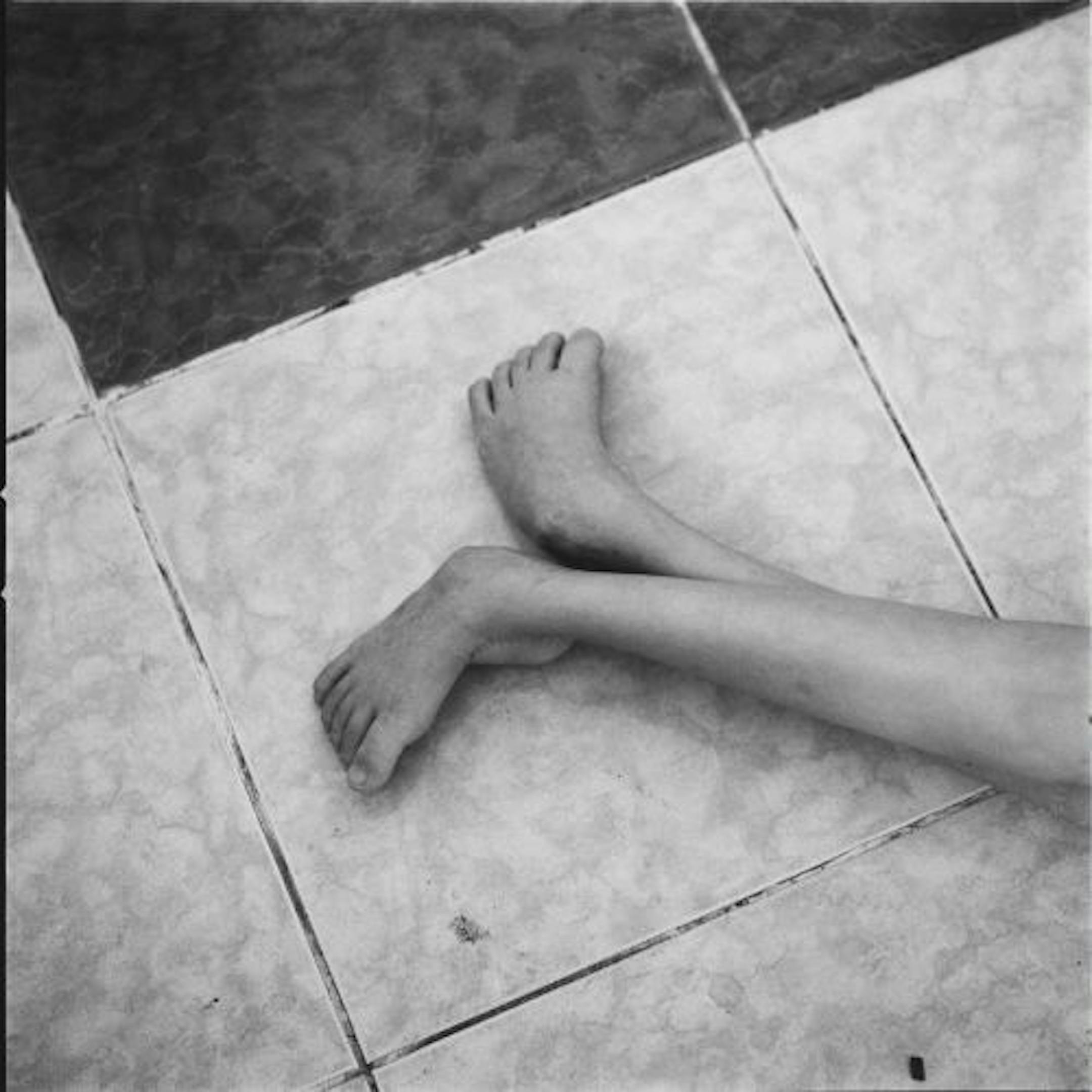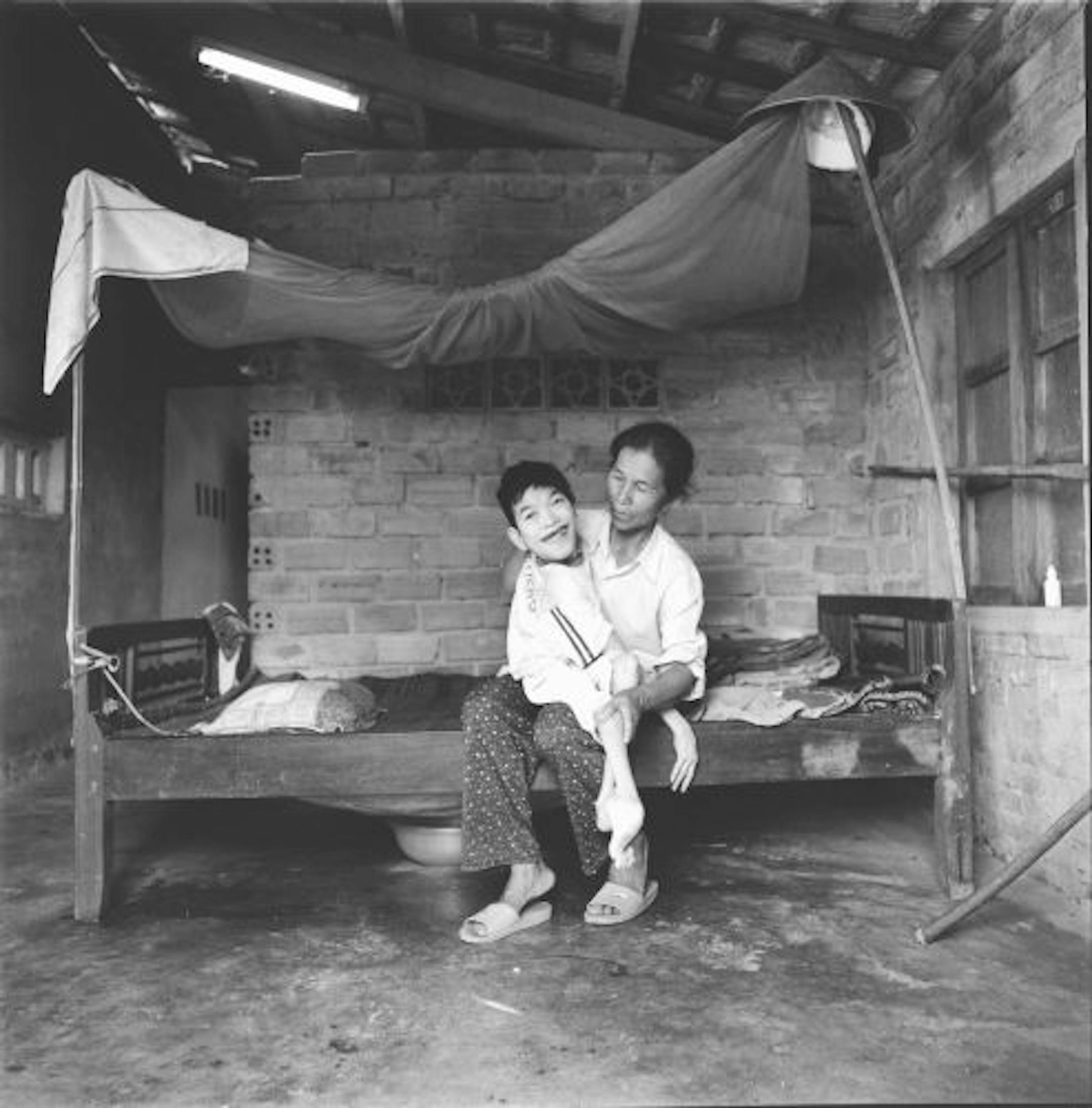
Vietnam was "my coming-of-age war," said St. Paul photographer Petronella J. Ytsma. Haunted by the conflict's impact on both the United States and the country where it was fought, Ytsma has made two trips to Vietnam in the past three years. There she photographed Vietnamese people whose bodies show the effects of Agent Orange, a herbicide that U.S. military forces used to defoliate the forests and fields of Vietnam.
From 1961 to 1971, the military sprayed more than 20 million gallons of herbicide. Decades later Vietnamese children are still being born mentally disabled and with hideous birth defects -- eyeless, with swollen tongues, overwide mouths, flattened noses, flipper-like arms and hands, twisted feet, shrunken torsos. Some are now more than 30 years old but have the bodies of children and are essentially brain dead.
They are the "Legacy of an Ecocide" that Ytsma documents in unsparing but dignified, even tender, photos on view through Oct. 28 at Catherine G. Murphy Gallery at St. Catherine University in St. Paul. It is not an easy show to see, but it is an essential one, a part of U.S. history that cannot be forgotten and must not be overlooked.
There's a simple directness to Ytsma's photos, which were taken in hospitals, orphanages and the homes, doorways or gardens of families she visited. Women with worn faces and pained expressions cradle large children who stare absently, arms and hands flopping haplessly. In one shot, a smiling young father who looks to be about 30 proudly poses with his neatly dressed infant daughters, their heads lolling and mouths agape. The kids look to be about 18 months old but are, respectively, 7 and 9. An older woman, eyes dull with resignation, cradles a lumpen boy with twisted arms who appears to be perhaps 6 or 7. Born in 1990, he was 28 when photographed last year.
The exact relationship between Agent Orange and the deformities Ytsma observed is not precisely clear, although the chemical's malign effects are well known. It contained dioxin, a chemical that remains toxic for decades and is "critically harmful to humans," as the Ford Foundation reported to a congressional committee this summer. As noted in the exhibition catalog ($25, Aliform Publishing), the subject is highly politicized, with the United States reluctant to admit liability and the Vietnamese afraid to stir up old animosities that might derail the country's economic development.
With the aid of an organization called the Vietnam Association for Victims of Agent Orange, Ytsma visited seven hospitals, orphanages and other long-term-care facilities in 2007, and returned for six weeks in 2008 when she visited and photographed 70 affected families.
"I have no idea how many there are in total," said Ytsma, but "in Da Nang they say there are 7,261 victims, 1,400 of them kids."
An immigrant's eye