

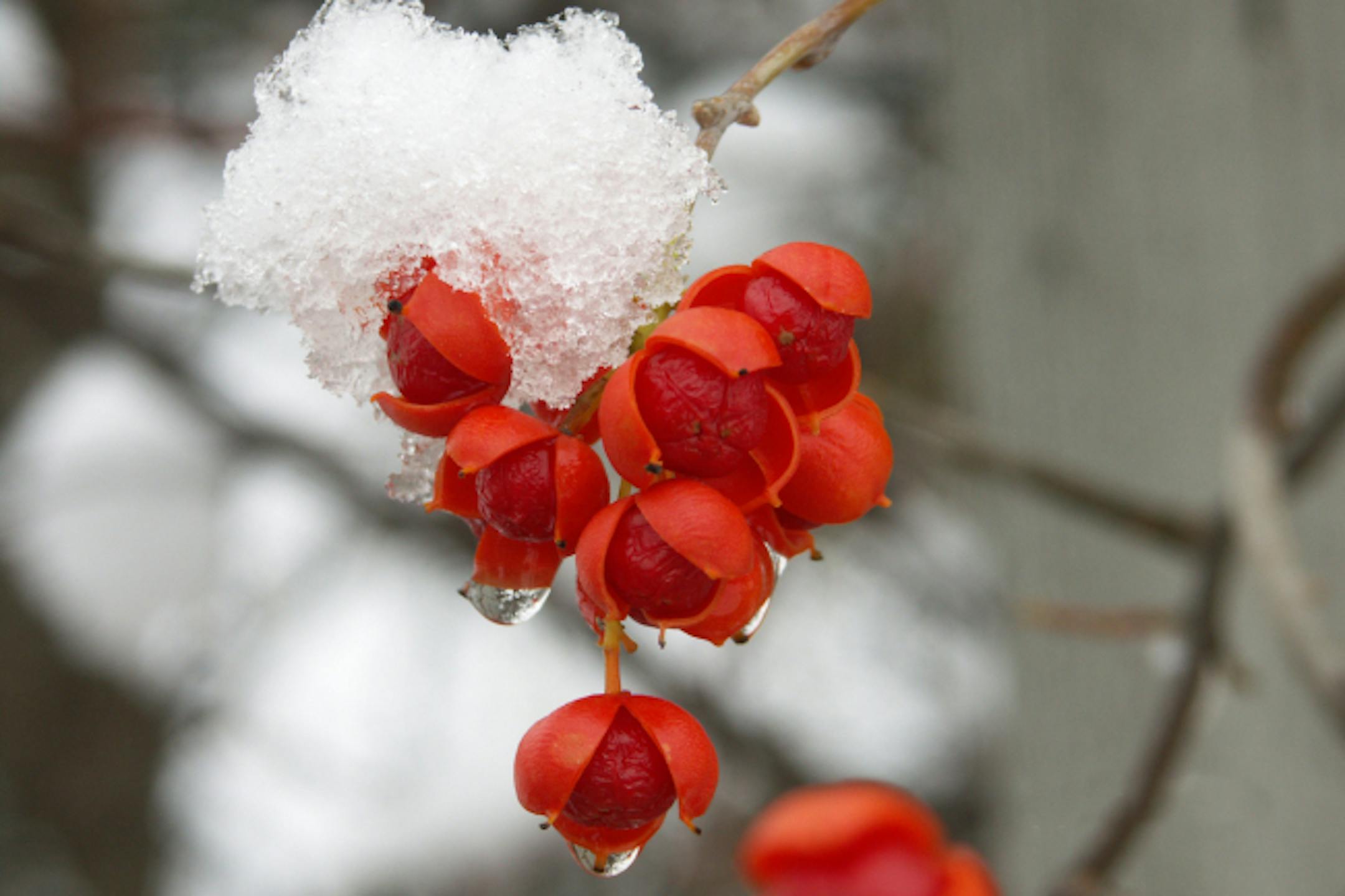
Art at the Arb Starting Friday, the Minnesota Landscape Arboretum will be in bloom -- well, in a "Blooming Fantasy," anyway. That's the name of the photo exhibit by members of the Arboretum Photographers Society. The juried show will feature 32 images of flowers, plants and the natural world. The photos will be for sale and members of the society will offer free, drop-in how-to clinics from noon to 3 p.m. every Saturday and Sunday for the run of the exhibit, which closes Feb. 8. The show is free with an admission fee of $7 for adults. For more info, go to www.arboretum.umn.edu.
CONNIE NELSON
Knowing and growing Want to sound like a smarty-pants at the next garden club meeting? Here's the book to help you do it: "Why Do Violets Shrink: Answers to 280 Thorny Questions on the World of Plants" (Sutton Publishing, $24.95). Author Caroline Holmes, a British garden historian and broadcaster, has compiled 260 pages of botanical tidbits, from the quirky to the scientific.
With large-size type and big bold headlines, it's easy to skim, zeroing in on your particular areas of interest or level of sophistication. So if the difference between tree transpiration and respiration is over your head, you can proceed to why it's good to "plant fennel by your kennel" (fennel's scent is said to deter fleas). Ever wondered why mistletoe is thought to have sacred power? Look to Norse legend -- although there's no mention of the yuletide kissing ritual. Want the ultimate trophy plant? Acquire a 'Midnight Mystique' bulb, a black-blooming hyacinth that's reputed to be the world's most expensive garden specimen.
And as for the violets of the title, why do they shrink? They're DIY seeders and pollinators that don't need insects, so they retreat (or shrink) when insects try to alight.
KIM PALMER
Group gardening Community gardens are a way to improve neighborhoods, promote interaction and, in some cases, encourage people to eat more healthfully. Brooklyn Botanic Garden is spreading the word through its new book "Community Gardening"(BBG Publications, $9.95).
The book is both an idea sparker and a guidebook. It profiles community gardens created for food, beauty or therapy, outlines their benefits and provides ideas and advice on finding a site, building community support and setting up a governance structure. The book includes basic gardening how-tos and addresses challenges specific to urban areas, such as limited space and heavy metals in soil.


