A sparkling new show at the Minneapolis Institute of Arts should put to rest two erroneous culture tags long associated with the Twin Cities: first, that the towns don't have many serious art collectors, and second, that there's little classic American art here. "Noble Dreams & Simple Pleasures," which runs through May 3, gives the lie to both notions with a handsome show of more than 140 American paintings and a sampling of sculpture, all dating from about 1800 to 1920 and all on loan from 31 local collectors.
Many owners chose to remain anonymous, hiding behind a "private collection" note on the title cards. This is typical of Minnesota, where even the most generous art patrons often keep extremely low profiles. They decline requests for interviews, lend art anonymously, bid by phone at auction.
That becoming modesty is quite unlike art collectors in Los Angeles and New York, who typically hustle for the spotlight. But the fact that you rarely find Minnesota names in Top 100 Art Collector lists doesn't mean they don't exist -- as this show proves.
The related idea that the Twin Cities has a dearth of American art springs in part from the fact that there isn't much of it at the institute. For years the museum papered over that problem by displaying a splendid collection of 19th-century American landscapes on loan from Walker Art Center, which had inherited them from founder T.B. Walker.
But in 1989 the Walker sold the pictures to beef up its endowment for the purchase of contemporary art; the paintings didn't fit the Walker's collecting profile and the institute couldn't afford to buy them. Their departure left the institute, which is rich in top-quality European paintings and sculpture, with an embarrassing gap in its aspiration to be a comprehensive museum.
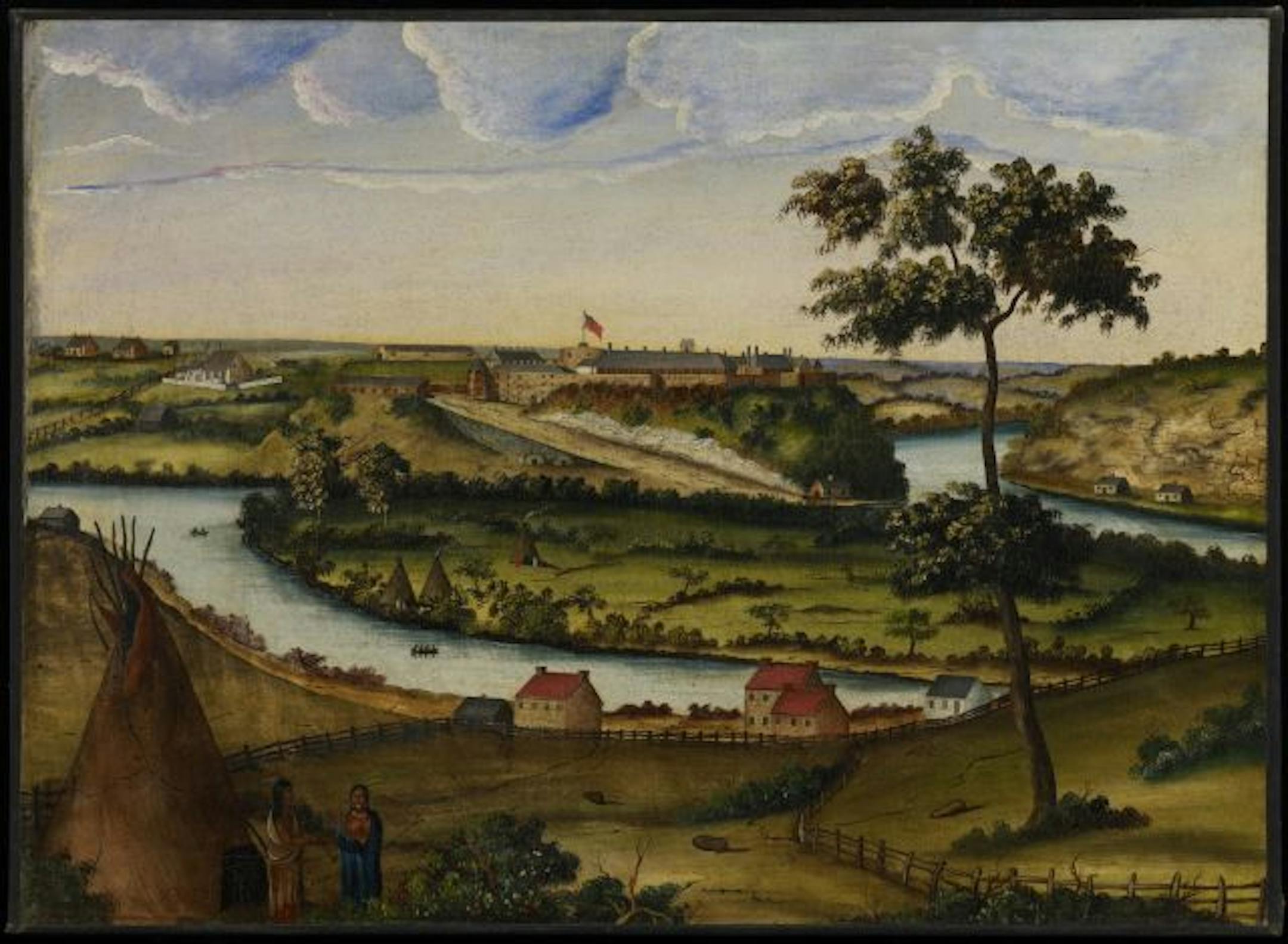
If the owners of the "Noble Dreams" art could be persuaded to leave it at the museum, the American gap would be filled instantly with a fine array of top-quality paintings by some of the 19th century's leading lights, including Seth Eastman, Asher B. Durand, George Inness, John Singer Sargent and Minnesota's own Alexis Jean Fournier.
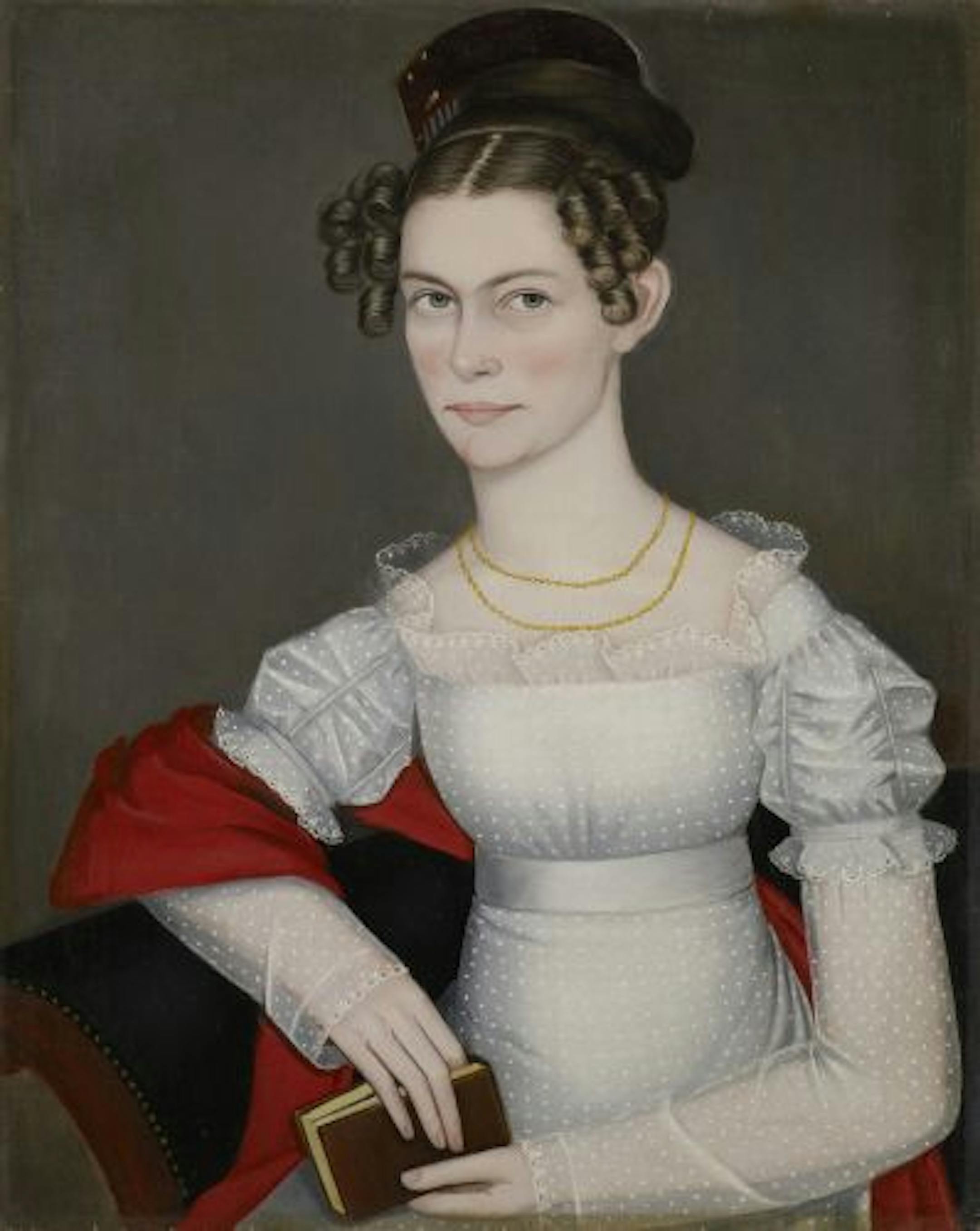
The show begins with a gallery of winning folk-art portraits from the early 1800s, before daguerrotypes and photography made painted likenesses obsolescent. Typically executed by itinerant or self-taught artists, the portraits have a compelling and lively immediacy. The show's signature image, Ammi Phillips' "Portrait of Catharine van Keuren," depicts a pretty young woman with stylish ringlets and a dotted-Swiss dress, clutching a book that signifies her learning and modest piety. Several others depict dead children in sweetly stylized images meant as memorial tributes.
The fascinating labels by curator Sue Canterbury are often mini-essays in social history. A posthumous portrait of a boy named Richard John Cock, for example, was done by Joshua Johnson (1765-1830), the first African-American portrait painter in American history. Born to a slave mother, Johnson was purchased (for $25) by his white father, who apprenticed him to a blacksmith. After his father freed him, Johnson became a successful artist in Baltimore, painting the city's gentry and middle classes.