
Armed with records, patients can help themselves

Some of the most advanced medical centers are starting to make medical information more available to patients.

The New York Times
April 10, 2015 at 5:06AM
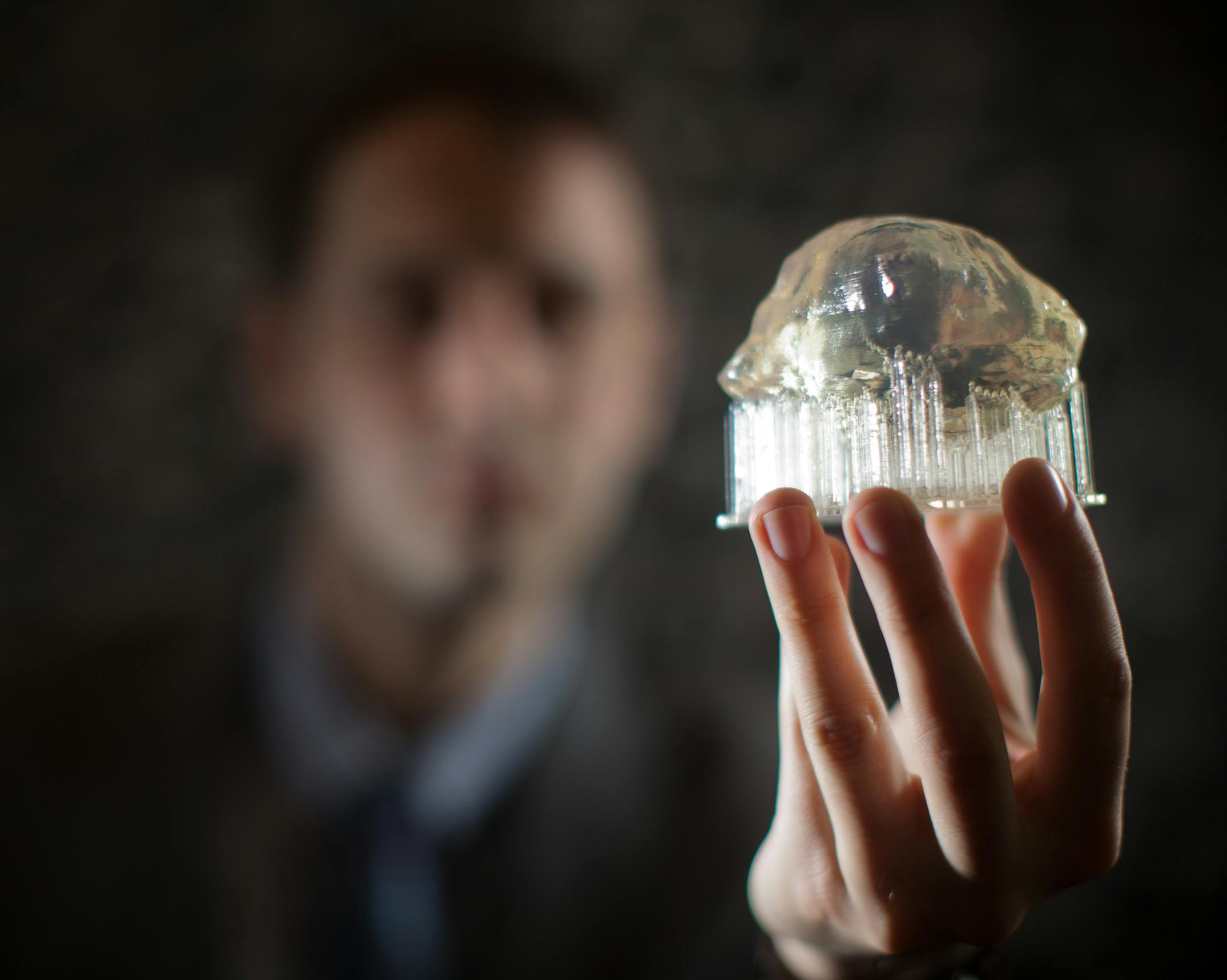
Steven Keating, a doctoral student at the Massachusetts Institute of Technology, holds a 3D-printed model of his cancerous astrocytoma brain tumor, in Cambridge, Mass., March 6, 2015. Keating’s case points to what medical experts say could be gained if patients had full and easier access to their own medical information. (Erik Jacobs/The New York Times)
Steven Keating held a 3D-printed model of his brain tumor — shown in a 3-D model of his brain in Cambridge, Mass. His case points to what experts say could be gained if patients had full access to their own medical information. (The Minnesota Star Tribune)

Steven Keating's doctors and medical experts view him as a citizen of the future. A scan of his brain eight years ago revealed a slight abnormality — nothing to worry about, he was told, but worth monitoring. And monitor he did, reading and studying about brain structure, function and wayward cells, and obtaining a follow-up scan in 2010, which showed no trouble.

But he knew from his research that his abnormality was near the brain's olfactory center. So when he started smelling whiffs of vinegar last summer, he suspected they might be "smell seizures."

He pushed doctors to conduct an MRI, and three weeks later, surgeons in Boston removed a cancerous tumor the size of a tennis ball from his brain.

At every stage, Keating, a 26-year-old doctoral student at the Massachusetts Institute of Technology's Media Lab, has pushed and prodded to get his medical information, collecting an estimated 70 gigabytes of his own patient data by now. His case points to what medical experts say could be gained if patients had full and easier access to their medical information. Better-informed patients, they say, are more likely to take better care of themselves, comply with prescription drug regimens and even detect early warning signals of illness, as Keating did.

"Today he is a big exception, but he is also a glimpse of what people will want: more and more information," said Dr. David W. Bates, chief innovation officer at Brigham and Women's Hospital.

Some of the most advanced medical centers are starting to make medical information more available to patients. Brigham and Women's, where Keating had his surgery, is part of the Partners HealthCare Group, which now has 500,000 patients with Web access to some of the information in their health records including conditions, medications and test results.

Other medical groups are beginning to allow patients online access to the notes taken by physicians about them, in an initiative called OpenNotes. In a yearlong evaluation project at medical groups in three states, more than two-thirds of the patients reported having a better understanding of their health and medical conditions, adopting healthier habits and taking their medications as prescribed more regularly.

The medical groups with OpenNotes programs include the Mayo Clinic, Beth Israel Deaconess Medical Center in Boston, Geisinger Health System in Pennsylvania, Harborview Medical Center in Seattle, the Cleveland Clinic and the Department of Veterans Affairs. By now, nearly 5 million patients in the United States have been given online access to their notes.
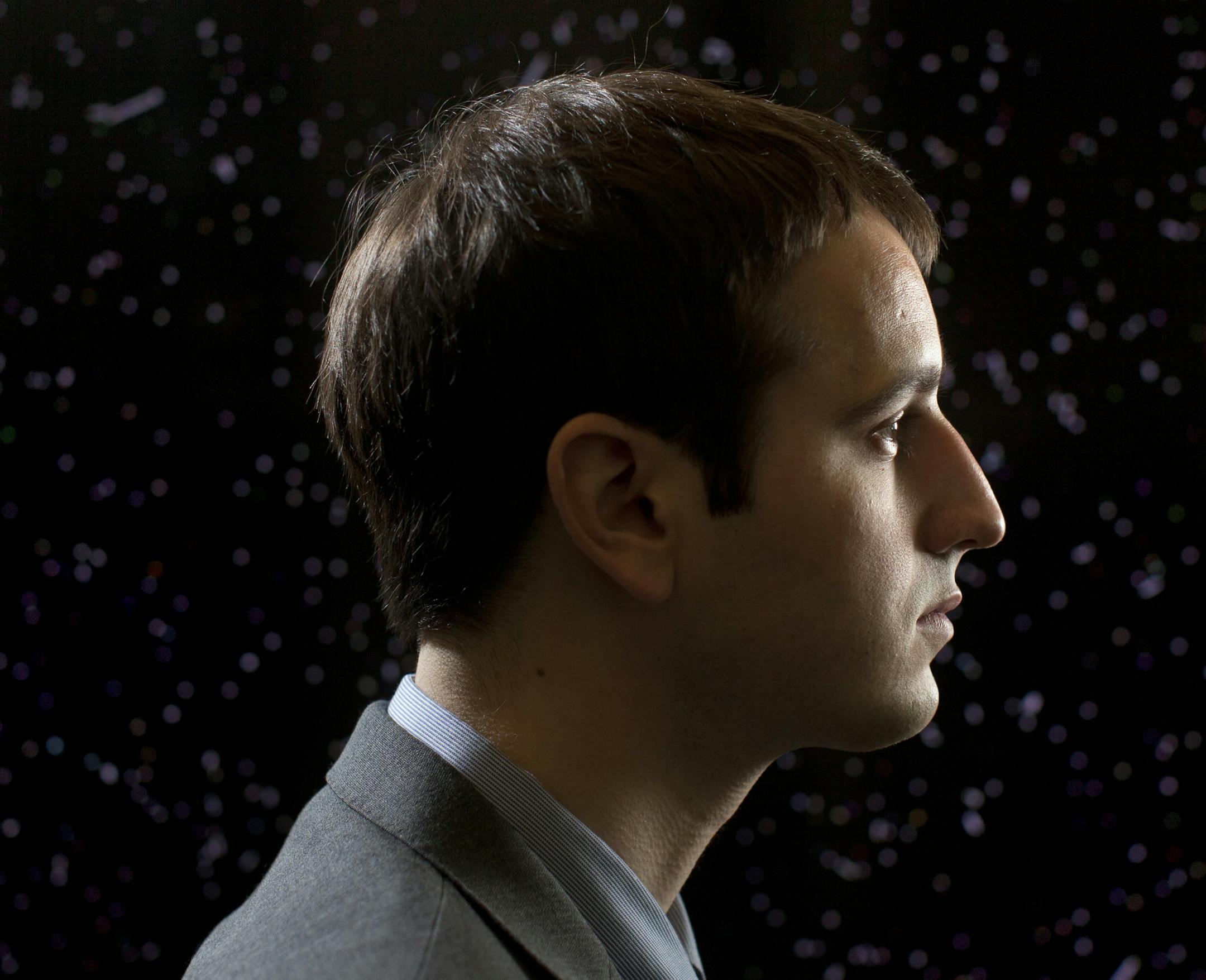
Steven Keating, a doctoral student at MIT’s Media Lab who collected and researched his own patient data, which led to the discovery of a brain tumor, in front of an image of radiation backscatter from his brain during therapy in Cambridge, Mass., March 6, 2015. Keating’s case points to what medical experts say could be gained if patients had full and easier access to their medical information. (Erik Jacobs/The New York Times)
Steven Keating, a doctoral student at MIT’s Media Lab who collected and researched his own patient data, which led to the discovery of a brain tumor, in front of an image of radiation backscatter from his brain during therapy in Cambridge, Mass., March 6, 2015. Keating’s case points to what medical experts say could be gained if patients had full and easier access to their medical information. (The Minnesota Star Tribune)
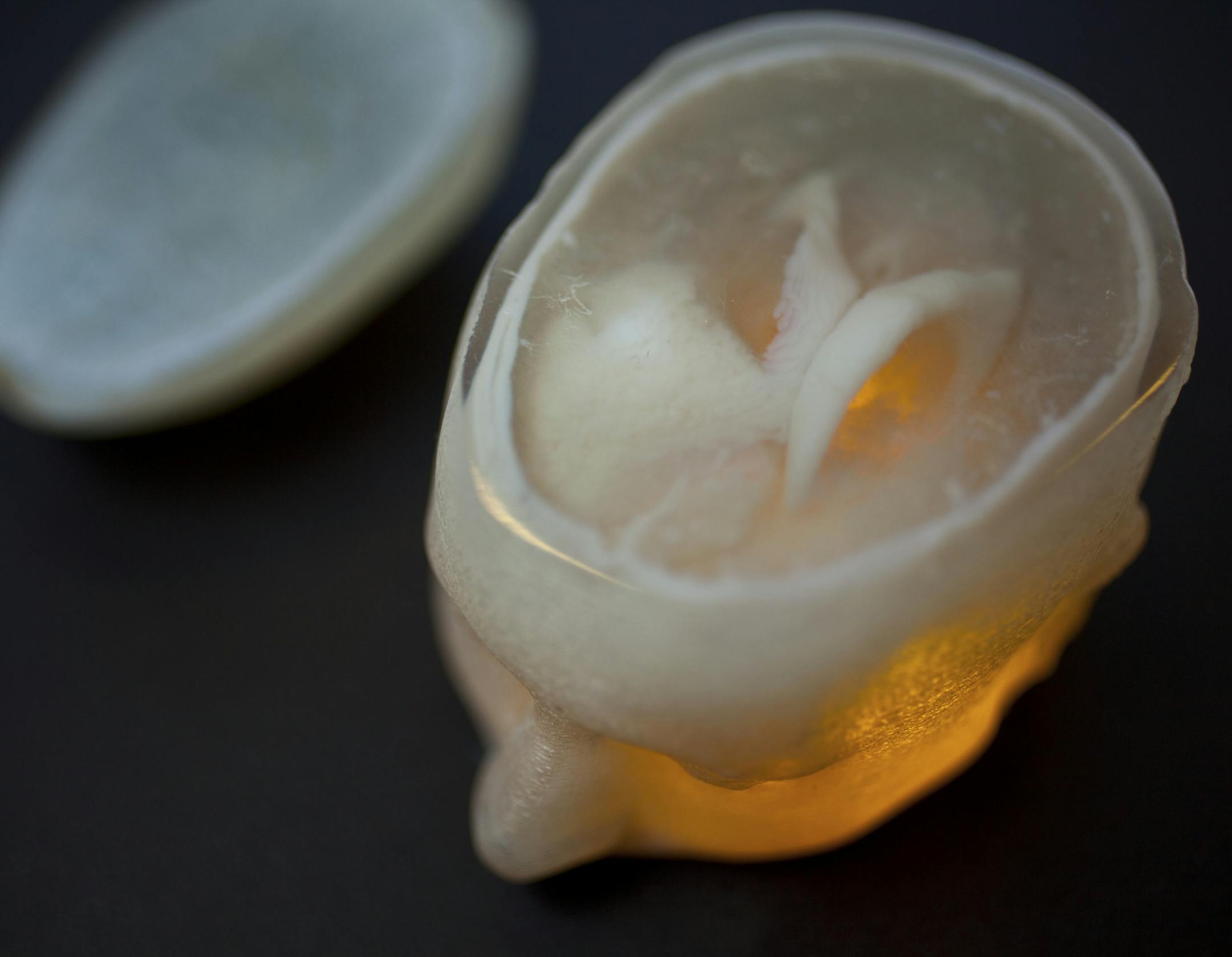
A 3-D print of Steven Keating’s MRI data showing his large brain tumor, the white mass in the right front section of the brain, in Cambridge, Mass., March 6, 2015. The case of Keating, who collected and researched his own patient data, points to what medical experts say could be gained if patients had full and easier access to their medical information. (Erik Jacobs/The New York Times)
A 3-D print of Steven Keating’s MRI data showing his large brain tumor, the white mass in the right front section of the brain, in Cambridge, Mass., March 6, 2015. The case of Keating, who collected and researched his own patient data, points to what medical experts say could be gained if patients had full and easier access to their medical information. (The Minnesota Star Tribune)
about the writer

about the writer

STEVE LOHR

More from Minnesota Star Tribune

See More
card image
Provided/Sahan Journal

Family members and a lawyer say they have been blocked from access to the bedside of Bonfilia Sanchez Dominguez, while her husband was detained and shipped to Texas within 24 hours.

card image