
Advertisement

Are CDs broken forever?

Record companies are trying to save the dying music format, but time is running out.

August 14, 2010 at 6:48PM
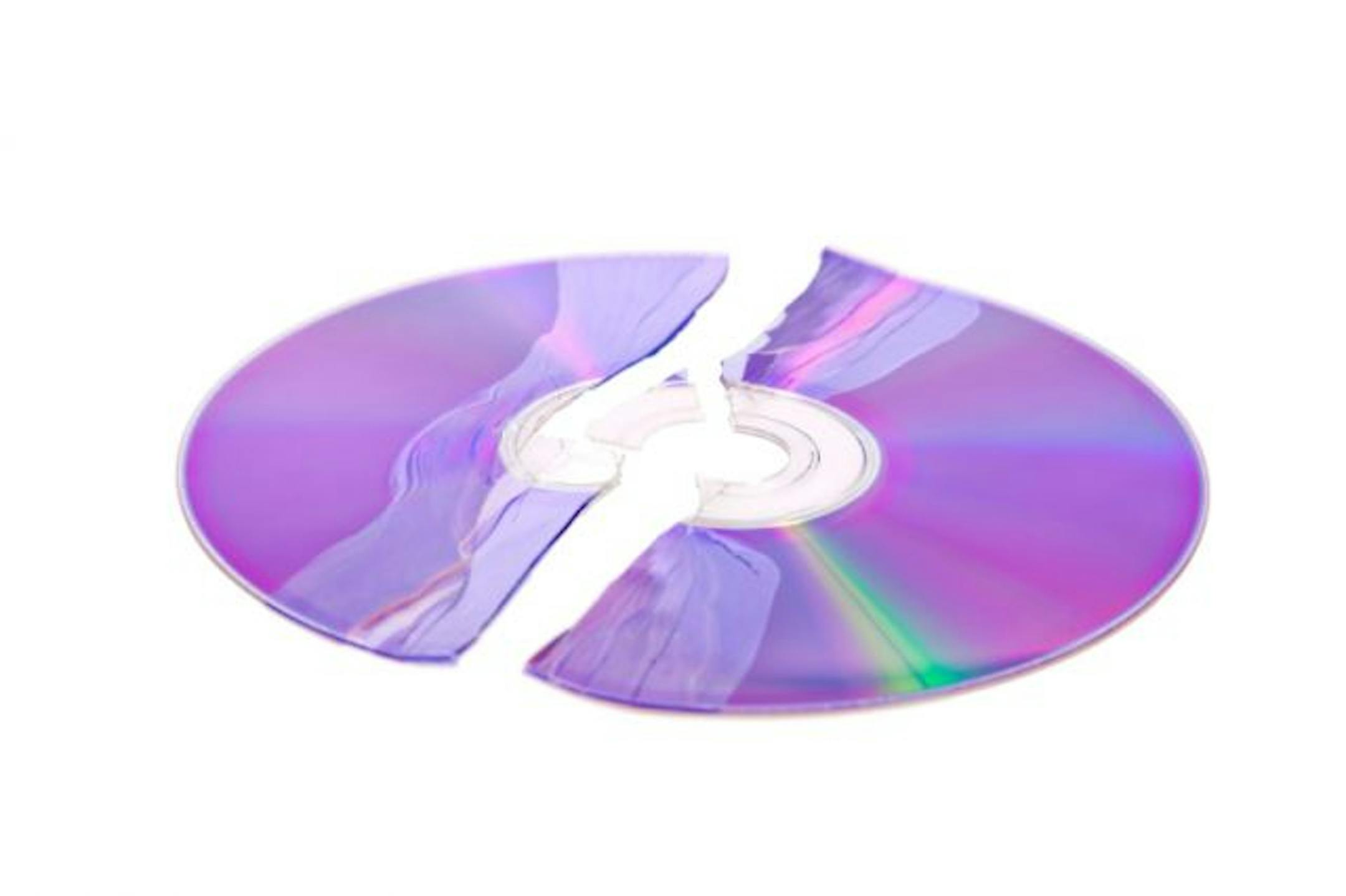
Shattered DVD / CD isolated on a white background
Shattered DVD / CD isolated on a white background (Stx -/The Minnesota Star Tribune)
Advertisement

In 1983, Philips and Sony introduced the compact disc as "pure, perfect sound forever." But as we all know too well, nothing is forever in this fast-paced world. Even steadfast supporters will acknowledge that the CD is now on the endangered gizmos list.

When the CD first appeared, record companies had reason to jack up the retail prices, as the wholesale cost of pressing and packaging the mini-laser disc was significantly higher -- $2.50 vs. 25 cents for an LP. Plus, producers guaranteed that their new music carrier would never show signs of wear, unlike vinyl albums.

But nowadays, a CD costs 20 cents to stamp out. And even with significantly enhanced royalty terms (much deserved) for the contributing talents, there's no way consumers want to pay $15 for a CD -- especially with online stores such as iTunes sticking with mostly $9.99 album downloads.

Music has been devalued. It just doesn't loom as large in most people's lives today.

Trans World Entertainment, parent company to the FYE chain, reached that conclusion last summer and instituted a noble experiment in about 100 of its stores that established $9.99 as the everyday price point for all standard-issue (not "deluxe edition") CD releases. (None of FYE's Minnesota stores -- in the Mall of America in Bloomington, Burnsville Mall and Bemidji -- is thus far part of the pricing experiment.)

The move has brought dividends. While U.S. album sales tracked by Nielsen SoundScan were off, as a whole, by a whopping 22.4 percent in the first quarter of this year, FYE store revenues fell a mere 0.6 percent.

Of the major labels, Universal Music Group has been the heartiest endorser of FYE's reduced pricing. Universal cut the wholesale cost of CDs to $7.50 and the "suggested retail" to $10. But other labels, worrying (they said) about "antitrust" issues if they just cut prices for this retail group and not all customers, have held onto higher prices, in some instances forcing FYE to lose money on each sale or not carry an important new title.

Now the FYE chain is preparing to change the game again. Starting next month, reports the industry trade publication Billboard, the chain will allow the pricing of a hot album by an Eminem or Zac Brown Band to float a few bucks higher when it first comes out, then slam it down to $9.99 after the initial demand is spent, but the more casual shopper might still be tempted.

Advertisement

Proposing even more radical moves is Charlie Anderson, president and CEO of the wholesale operation (Anderson Merchandisers) that puts all the prerecorded music into Walmarts and Sam's Clubs, as well as on Army and Air Force base stores, collectively accounting for about 12.5 percent of all U.S. music sales.

In his recent Billboard chat, Anderson spoke of the decline in floor space and inventory for prerecorded music at Walmart, Target and Best Buy. And he imagined a day "when they say it's just not worth it anymore. Our projection is that it could happen at the end of three more years if nothing is done for the CD."

Ouch.

Suggestions to save the CD

To keep the patient on life support, Anderson is proposing some serious mind-set changes.

Tops on his list? Artists should put out shorter and cheaper albums, boasting, say, six great tracks for 6 bucks. That would sit better with people now used to paying 99 cents for a single song download and who often are quick to complain about too much waste on a full length, 16-track album.

Advertisement

Better still, this shift could encourage artists to stay current by putting out short sets every six months, rather than trying to "work" that one album for 18 months, flogging the material to death.

Other suggestions? CDs should come with a personal identification number for the buyer to retrieve a free digital copy of the material. Labels should release songs on disc the same day the music is available on iTunes. And retailers should be able to buy hard-copy albums on consignment.

Follow his agenda, said Anderson, and the CD might last as long as six years as a retail phenomenon, buying the recording industry more time to get its replacement revenue streams running.

But physical CDs might never totally bite the dust. Artists crave a physical representation of their work and appreciate how CD and vinyl versions best replicate what they heard in the studio.

Fans might have to go to the artist's concert or website, though, to nab the latest creative outpouring. Many musicians already say they clear more profit selling an album "direct" than by funneling it through an overhead-heavy major label.

about the writer

about the writer

JONATHAN TAKIFF, Philadelphia Daily News

More from Minnesota Star Tribune

See More
card image
Provided/Sahan Journal

Family members and a lawyer say they have been blocked from access to the bedside of Bonfilia Sanchez Dominguez, while her husband was detained and shipped to Texas within 24 hours.

card image
Advertisement