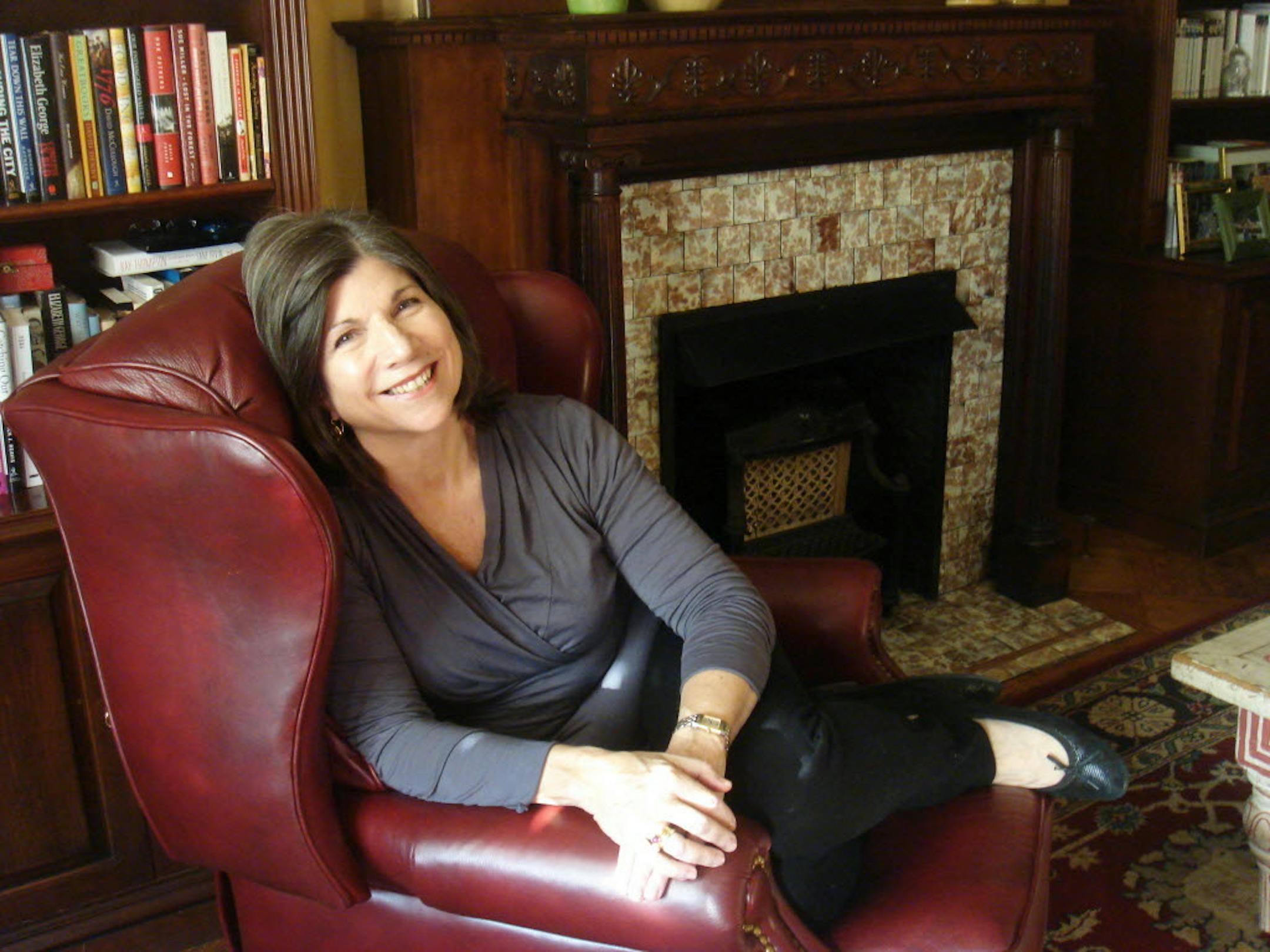
Before she was a beloved novelist, Anna Quindlen was a beloved journalist. (Yes, journalists can be beloved.) She began writing for the New York Times in 1977 and in 1981 became a columnist — only the third woman to have a regular presence on that paper's op-ed pages. She won a Pulitzer Prize for commentary in 1992 and left the paper three years later to write novels.
Quindlen has said that writing journalism and writing fiction are not all that different — good writing is good writing, though journalism taught her some things: mainly, to always carry a notebook, to look for the telling detail, to pay attention to how people really speak.
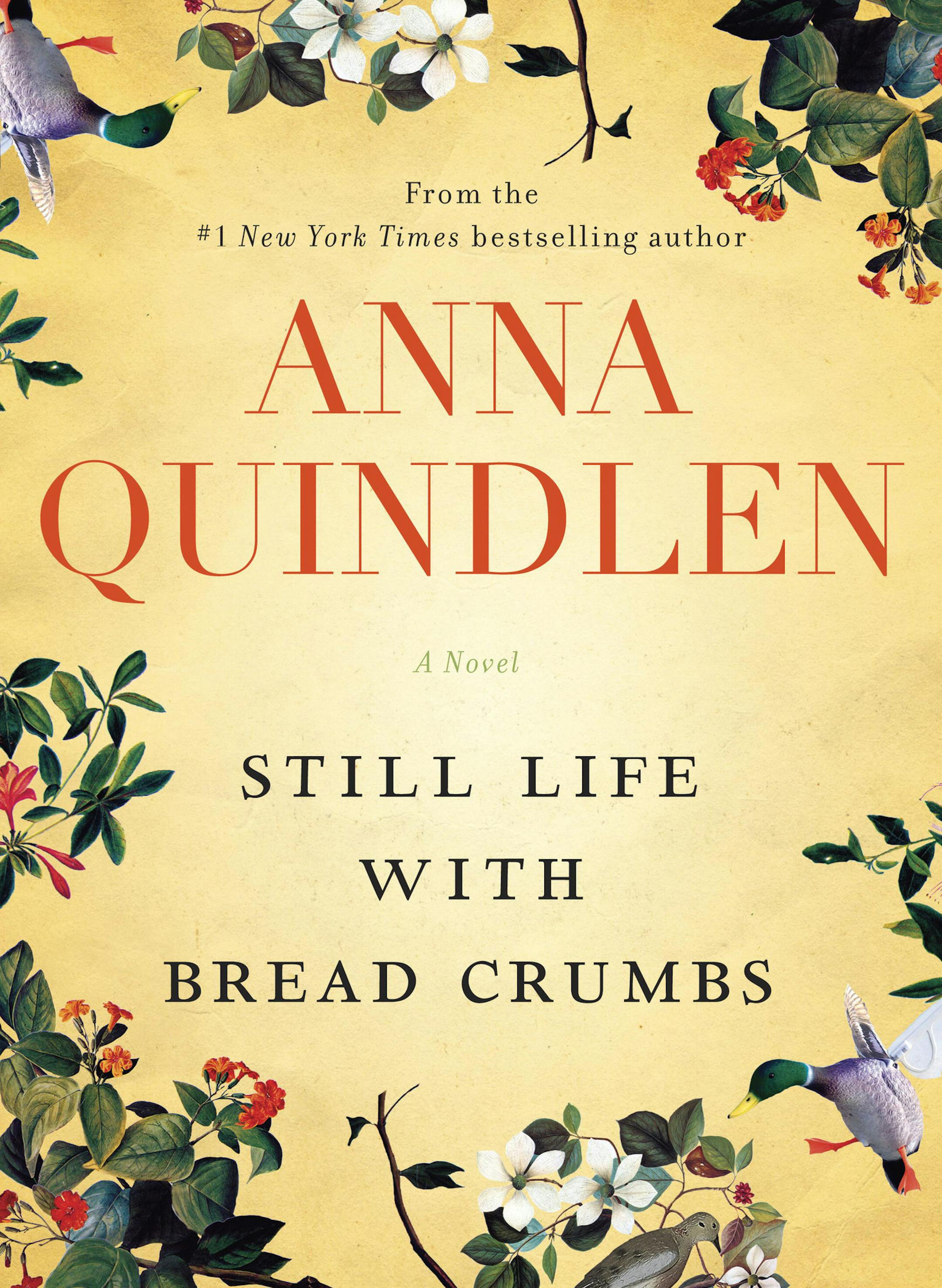
Several of her novels have become bestsellers, and three have been made into movies. Her new book, "Still Life With Bread Crumbs," is about a photographer whose career is on the wane. She sublets her New York penthouse apartment and rents a cabin, sight unseen, in the countryside. And then — oh, but that would be telling.
Quindlen will speak and sign books at an event on Wednesday, sponsored by the Bookcase of Wazyata. Here, Quindlen talks about the buzz of the newsroom, her fondness for a certain series of books set in Mankato, and why she almost never goes out to lunch.
Q: What, if anything, do you miss about journalism?
A: I miss newsrooms. I love newsrooms, the buzz, the camaraderie, the gossip. And when a big story breaks, I miss being at that epicenter. I loved pretty much everything about being a reporter except the pay scale, and even that didn't bother me that much because I loved pretty much everything else.
A: How autobiographical are your novels?
Q: I think most novelists begin autobiographically and become less and less so as time goes on. I think you see that in most people's work. It's certainly true of mine. "Object Lessons" is the most autobiographical of my novels. "Still Life With Bread Crumbs" mines much of what I know — the city, the nature of art — but Rebecca Winter and I are quite different.