

Evolutionary biologists have come to recognize humans as a tremendous evolutionary force. In hospitals, we drive the evolution of resistant bacteria by giving patients antibiotics. In the oceans, we drive the evolution of small-bodied fish by catching the big ones.
In a new study, University of Minnesota biologist Emilie Snell-Rood offers evidence suggesting that we may be driving evolution in a more surprising way. As we alter the places where animals live, we may be fueling the evolution of bigger brains. She bases her conclusion on a collection of mammal skulls kept at the Bell Museum of Natural History.
She picked out 10 species to study, including mice, shrews, bats and gophers. She selected dozens of individual skulls that were collected as far back as a century ago. An undergraduate student, Naomi Wick, measured the dimensions of the skulls, making it possible to estimate the size of their brains.
Two important results emerged from their research. In two species — the white-footed mouse and the meadow vole — the brains of animals from cities or suburbs were about 6 percent bigger than the brains of animals collected from farms or other rural areas. Snell-Rood concludes that when these species moved to cities and towns, their brains became significantly bigger.
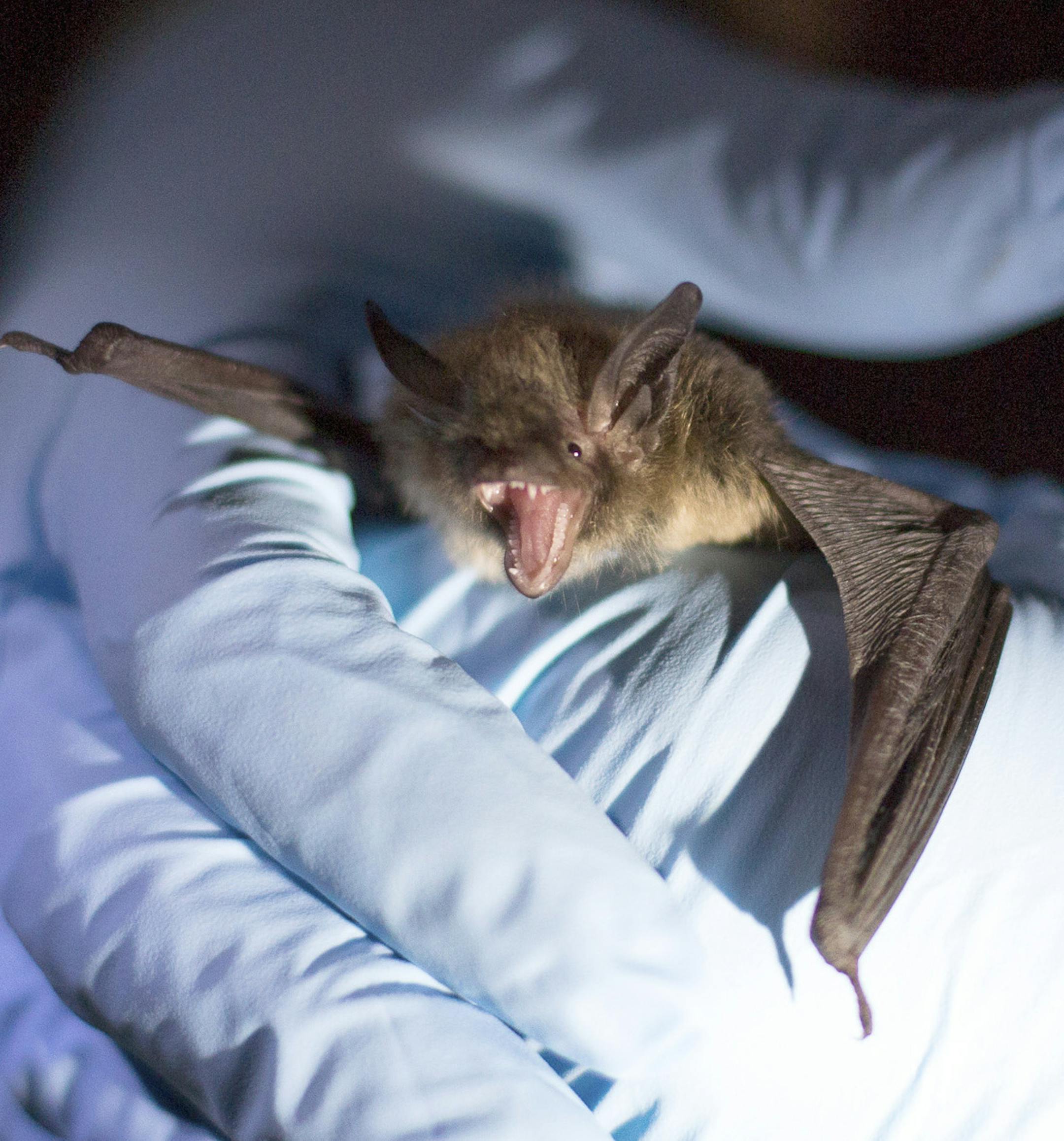
They also found that in rural parts of Minnesota, two species of shrews and two species of bats experienced an increase in brain size as well.
Snell-Rood proposes that the brains of all six species have gotten bigger because humans have radically changed Minnesota. Where there were once forests and prairies, there are now cities and farms. In this disrupted environment, animals better at learning new things were more likely to survive and have offspring.
Studies by other scientists have linked better learning in animals with bigger brains.
new york times


