

The movie bad guy may wear a black hat, but gray has always been his color. Lately, it seems, Gray is showing up in a Brioni suit with a diversified portfolio of several billion dollars.
That filmmakers would have their eye on Wall Street and the morality of unfettered capitalism is hardly a shock. Nor is the idea that the world of high finance could provide meaty villains or, at least, intriguingly disreputable characters. Rich people are fantasy figures; the country's continuing economic woes make them topical, and their sorrows generate vicarious joy.
Equally important, a conflicted conscience makes for good drama. It may be, as Jean Renoir once said, that the hell of life is that everyone has his or her reasons. But it's those reasons that make questionable characters intriguing, nuanced and something more than animals. It's what separates Bruce Wayne from Bruce the Shark.
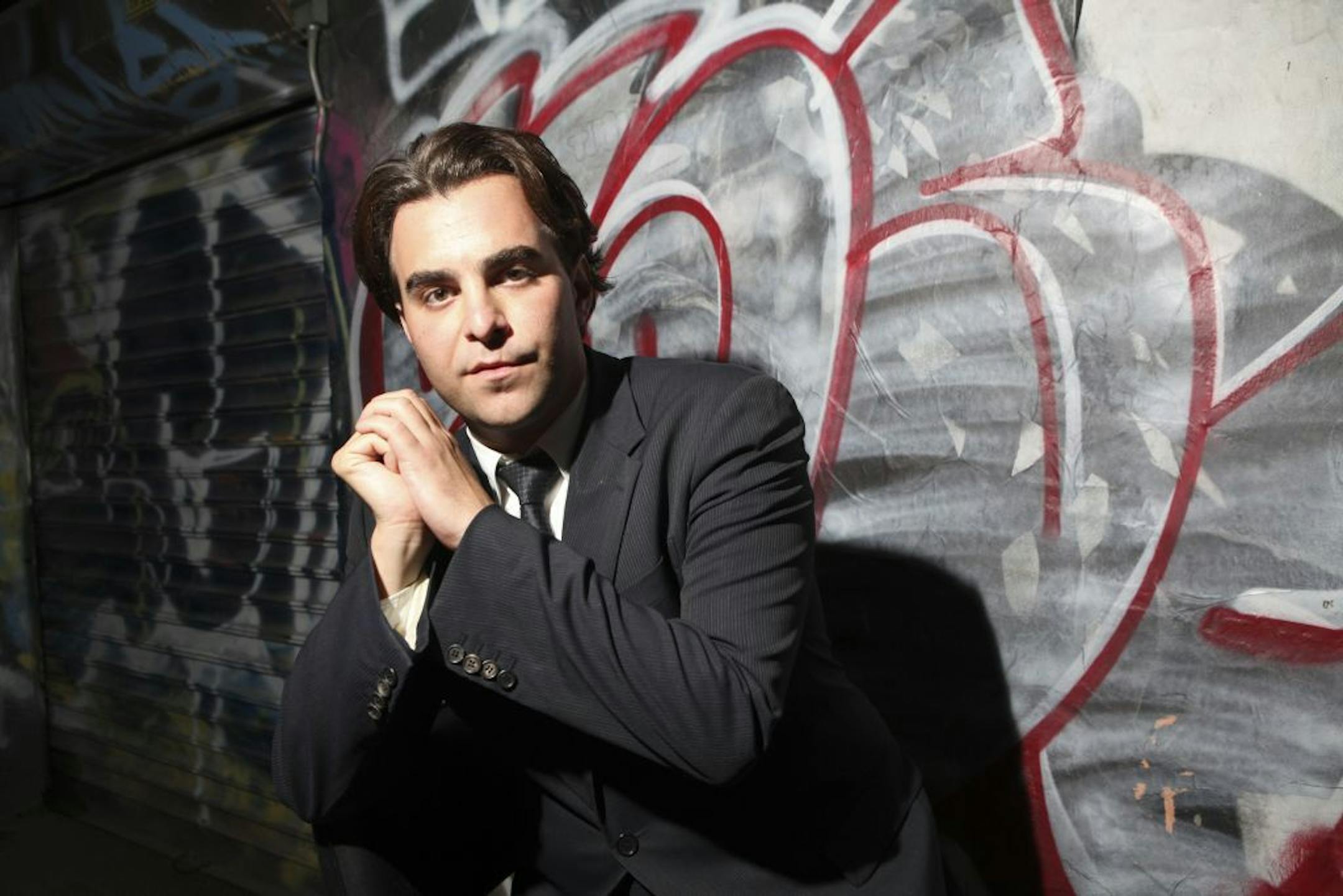
"Why is the public so interested in movies about the wealthy?" said Nicholas Jarecki, whose debut narrative feature, "Arbitrage," stars Richard Gere as a compromised commodities trader scrambling to save his fortune and his family. "My answer is that Shakespeare wrote about kings. That's where the action is. And it's the classic cathartic thing. You get to indulge in a lifestyle you're not part of, a tragic error leads to a downfall, and you get to say, 'Thank God I'm not him.'"
Creating really interesting ne'er-do-wells, and giving them currency, also hinges on "the scope of the villainy," said the director David Cronenberg, whose current drama, "Cosmopolis," adapted from the novel by Don DeLillo, follows an unconscionably wealthy Wall Street trader on a trip to a haircut, or hell, depending on one's point of view.
"I think it's a matter of reach," Cronenberg said by phone from Toronto. "For example, I watched 'The Killing,' the American version, on TV, and there's a lot of politics to it, and the mayor of Seattle is corrupt and all that. But even if he is corrupt, how far does the corruption reach? Not that far.
"But when you think of Bernie Madoff, he was operating on a global scale. It's monumental. So I think, in a way, unless you're talking about the president of the United States or people very high up in the government or the Pentagon, financial villainy has a much more dangerous scope."
He compared the dynamics to a superhero movie: "You need a guy who wants to destroy the world. Just destroy a city? That's nothing. From a storytelling point of view it's far more dramatic."


