WASHINGTON — We'll know soon enough who won. We already know the prize: A big, ugly wound in the heart of American politics.
Nearly two years of relentless campaigning and racially loaded rhetoric has exposed a country that is deeply fractured along lines that are hardening and raw.
Race, gender and class appear to be ever more reliable predictors of whether Americans cast their ballots for Donald Trump or Hillary Clinton. And as Americans have retreated further into their corners, politicians have seen little motivation to understand the other side.
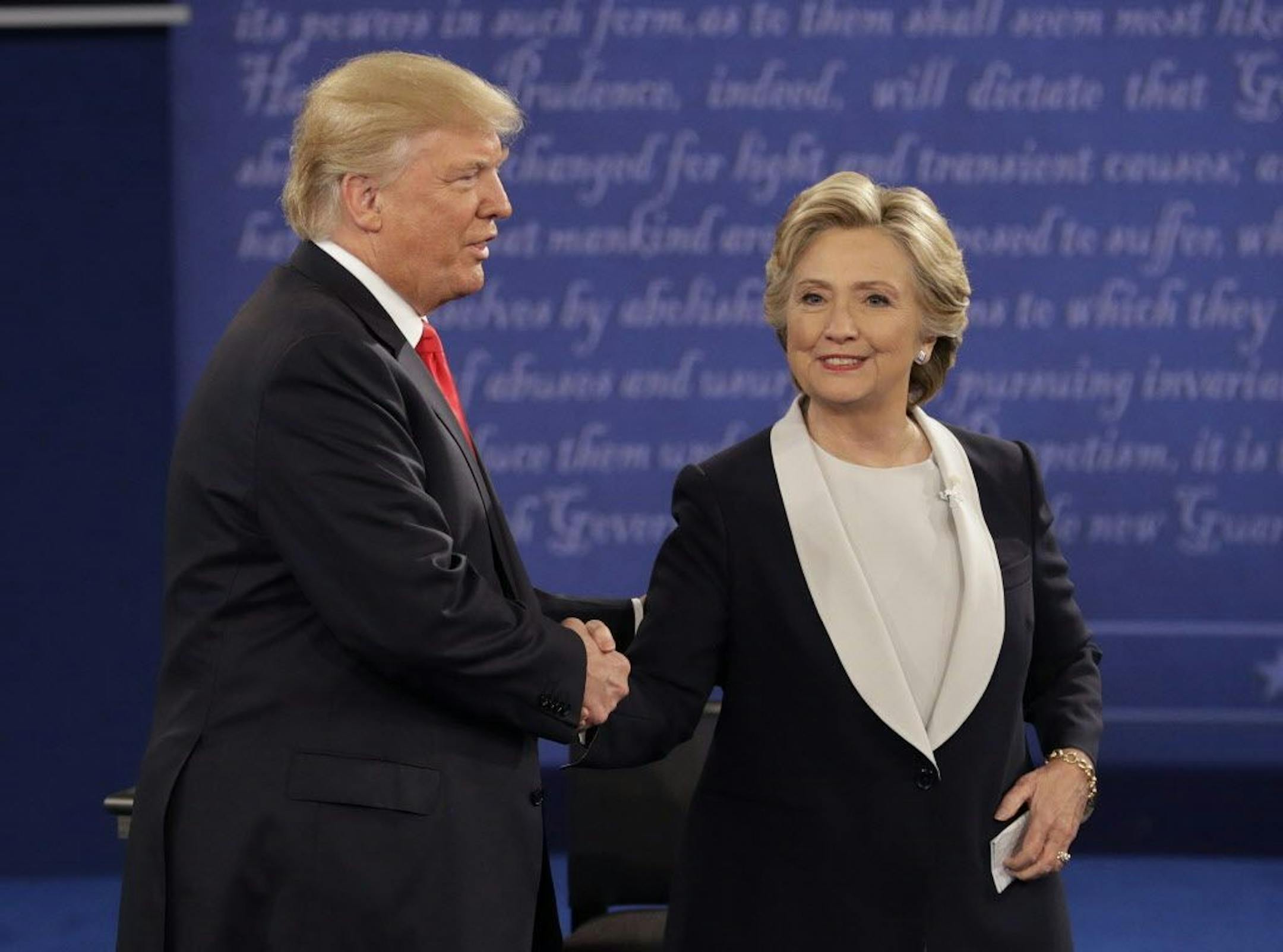
The dynamic just played out, while America (and the world) cringed. This campaign often looked like a noisy and incoherent conversation taking place in parallel worlds, with Donald Trump and Hillary Clinton shouting across a daunting gulf between them.
It may have been a race filled with unpredictable moments, but its near certainties are just as notable. As she heads into Election Day, Clinton is on track to win solid, and in some cases overwhelming majorities, of black, Hispanic and college-educated voters. Polls show Clinton, running to be the first female president, may also hit new levels of support among women.
Trump, meanwhile, has been propelled by support from white, working-class voters, a group that according to polls may reject Clinton more decisively than any of her recent Democratic predecessors.
These splits between whites and minorities, between men and women, between those with college degrees and those without, did not begin in 2016. Clinton's coalition is likely to look much like the one President Barack Obama assembled in 2008 and 2012, and has its roots much deeper.
But 2016 will be the year when the gaps widened, the lines hardened and the conversation, in turn, became more painful.