

Long before Donald Trump's firm was accused of plotting detours around the tax code to compensate its chief financial officer with carpeting, televisions and car leases, there were the $16,135 boilers.
The boilers were bought for that amount by Trump's father, Fred, in the 1990s for his apartment buildings. But in a bit of financial alchemy that embodied the family ethos of paying as little tax as possible, the elder Trump used inflated invoices to pay the bill, and the extra money was skimmed off for his children — all to avoid gift and inheritance taxes.
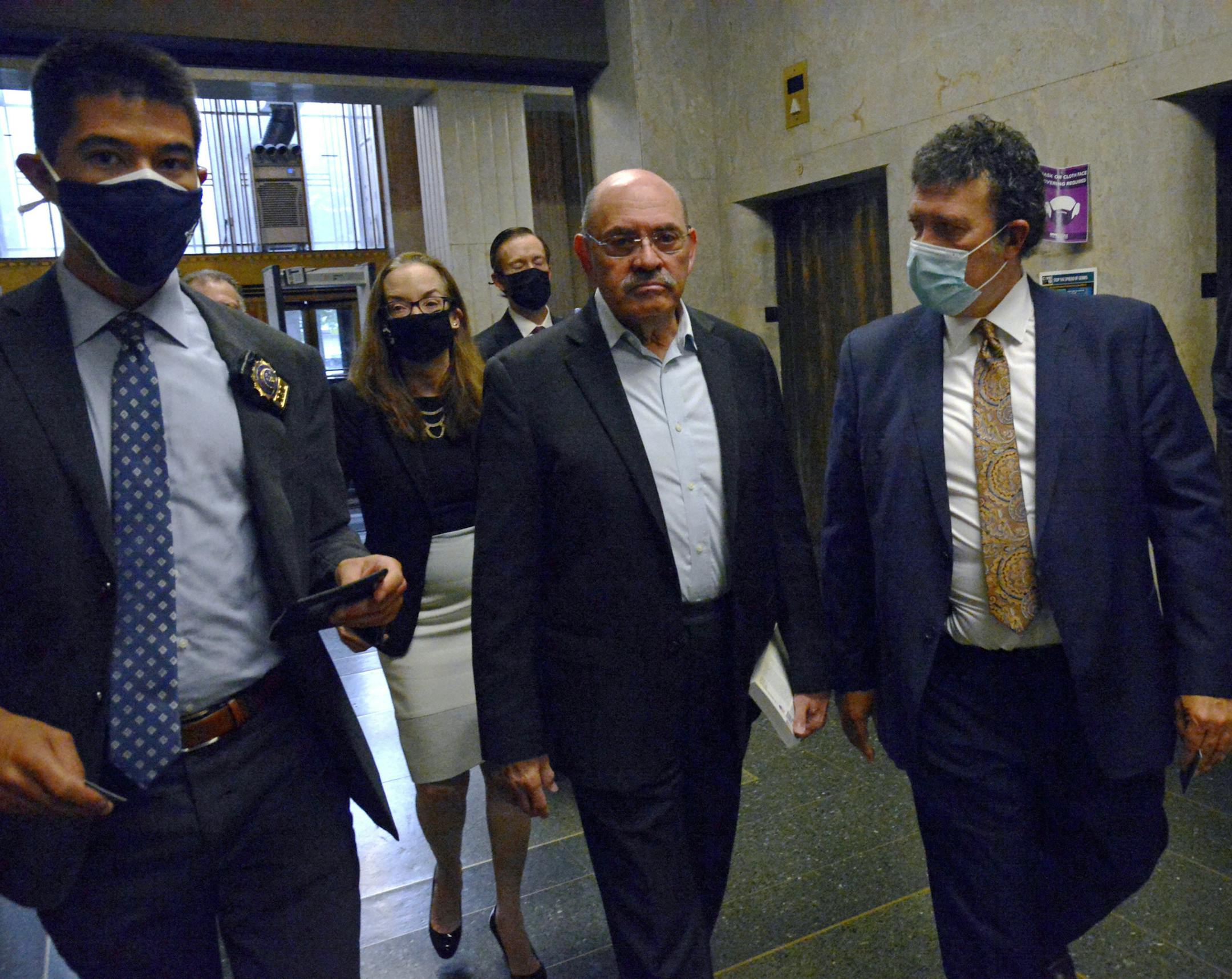
Echoes of the earlier scheme could be found in the indictment Thursday of the Trump Organization and CFO Allen Weisselberg, who first went to work for Fred Trump in the 1970s. While the amount of tax-free benefits that Weisselberg reportedly received is significant — $1.76 million over 15 years — the way the company went about doling them out is strikingly small-bore and incremental.
In fact, the first criminal case against the former president's company features no grand schemes to launder money through Russia, hide millions offshore or commit other offenses commensurate with a self-described global business empire headquartered on Fifth Avenue. Rather, details of the charges brought by a Manhattan grand jury have a rather low-rent feel that one might associate with a scrappy real estate operation born in Brooklyn and Queens.
Which, of course, it is.
The Trump Organization has always been a family business, tightly controlled by Trump and a small number of relatives and trusted associates, including Weisselberg. Although the company has about 3,500 employees worldwide, most are lower-tier workers at golf resorts and hotels, and only 122 made $100,000 or more in 2018, according to tax records for Trump and his businesses obtained by the New York Times.
The tax records, which the Times reported on last year, also reveal a deep commitment to maneuvering to winnow taxes to a minimum. Hundreds of millions of dollars in deductions for business expenses ran the gamut, from $6 for food in Uruguay and $10 for using a telephone in Panama to $13.7 million for "sales and marketing" in Las Vegas.
Of course, efficient accountants would not be doing their job if they did not try to maximize tax breaks. But in the indictment unsealed Thursday, the Trump Organization is accused of being too clever by half, to the point of criminality, in playing the game.


