Late on a peaceful night in May, on a quiet island in the Sea of Marmara, I walked alone on a curving street edged by walls dripping with ivy. Behind the walls, palms and red pines loomed above Ottoman mansions that drowsed in the leafy darkness. With no sound but my own footsteps, I continued down a slope that led to my seafront hotel. Then I paused. Ahead of me, in the half-light cast by a streetlamp, I saw a cluster of tall, undulant shapes at the turning. "Women, or horses?" I wondered. Nearing, I nodded: horses.
And then I laughed out loud. How on earth, in the 21st century, was it possible for me, or for anyone, to succumb to such poetic confusion? It was possible only on an island like the one where I found myself: the island of Buyukada, an hour's ferry ride from Istanbul, a place where time stands still.
For more than a millennium, Buyukada has lured travelers from the Golden Horn to its lush hillsides, dramatic cliffs and romantic coves.
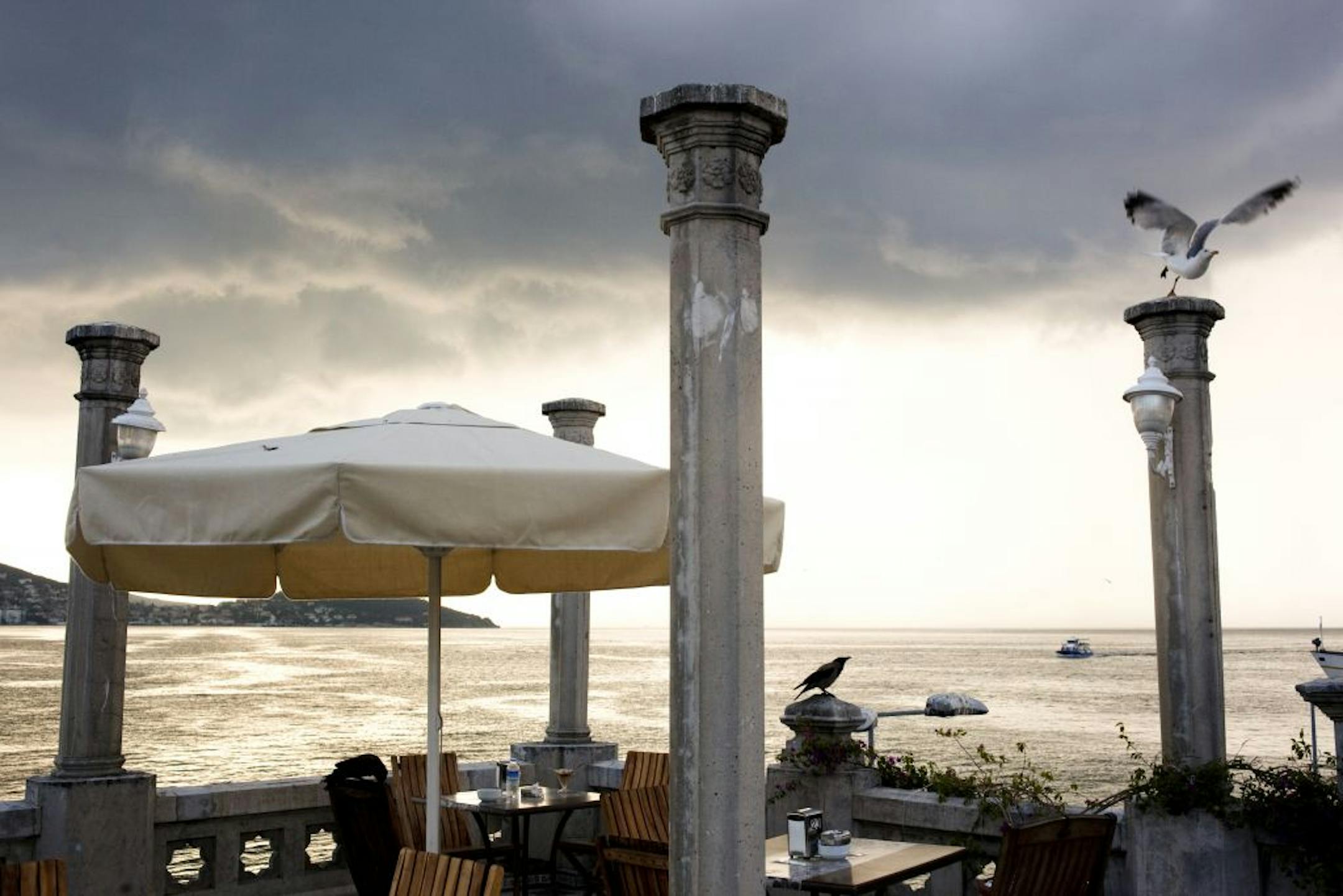
Only 2 square miles in size, Buyukada, population 7,000, is the largest island in a green, hilly archipelago that rises from the Sea of Marmara like a convoy of basking turtles. The islands -- known as the Princes or, in Turkish, Adalar -- are actually a far-flung district of Istanbul, but unlike the city on the mainland, with its roaring traffic, cafes and skyscrapers, they don't seem to have gotten the text message that the 21st century has arrived. It isn't entirely clear that the message about the 20th has arrived, either.
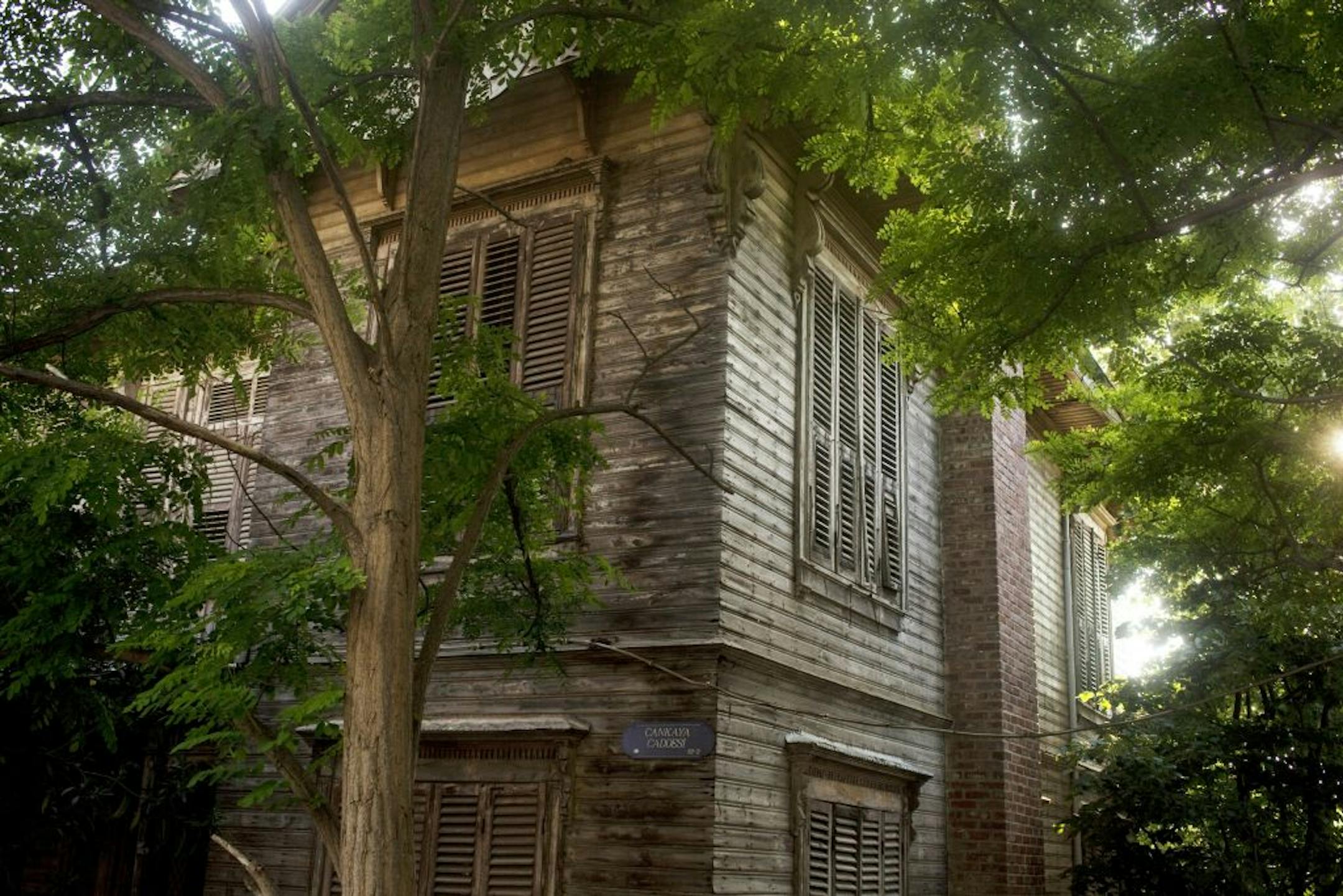
To set foot on Buyukada is to enter a living diorama of the past, wholly preserved. There are no Starbucks here, no skyscrapers, no cars; only bicycles, horse-drawn buggies (called faytons), filigreed mansions and tile-roofed villas set amid flowery lanes and emerald hillsides that drop down to rugged beaches.
Having been to Istanbul twice before, I wondered why I had never heard of this offshore Shangri-la. Intrigued, I hunted down whatever information I could find and learned that the Byzantine Emperor Justin II had built a palace and monastery on Buyukada in A.D. 569. More monasteries followed and in ensuing centuries they became prisons for emperors, empresses and patriarchs who fell out of favor on the mainland.
But during the Ottoman era, Buyukada transformed itself into a pleasure island. Greek fishermen made their homes there; and, eventually, wealthy families built elaborate mansions (kosks) and comfortable villas (konaks).
For the first half of the 20th century, the island was popular among prosperous Greeks, Jews, Armenians and Turks, for whom it served as a kind of Hamptons. But when Greeks left Istanbul in the 1950s, following a wave of violence against minorities, they left their wooden summer homes behind. In their absence, the island fell out of vogue.